Pilot sacked for AI flight scare
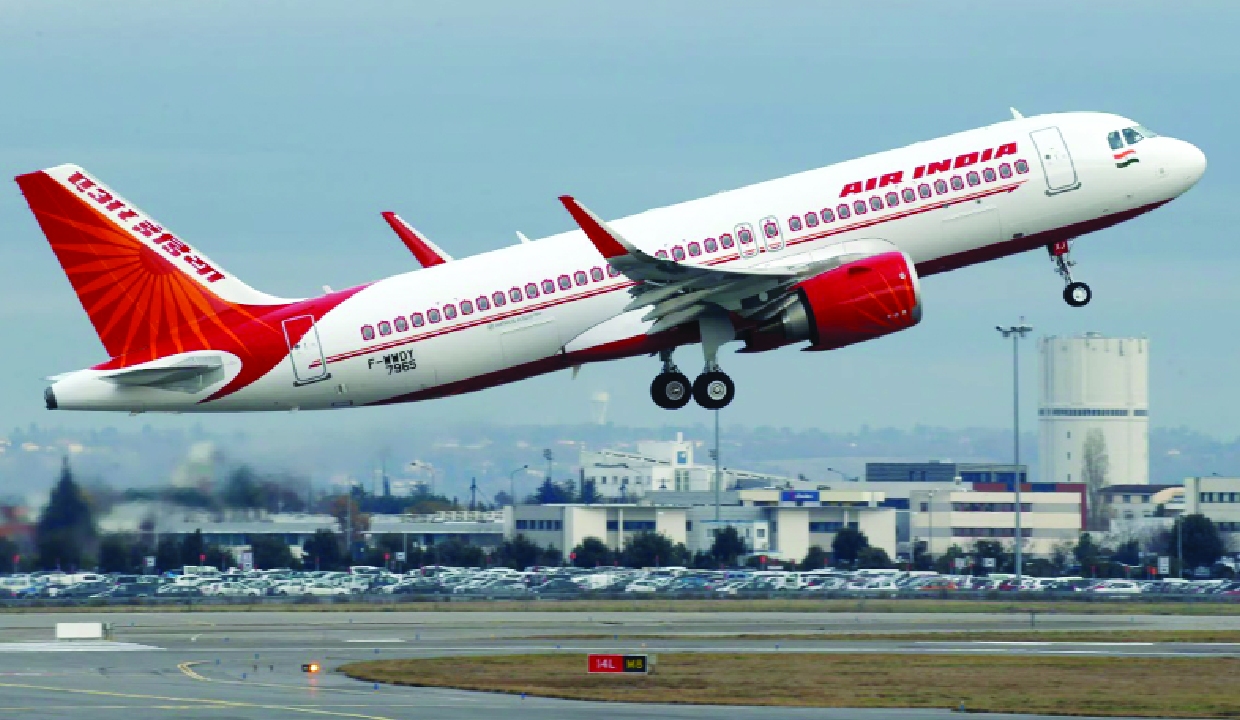
AAIB found the aircraft suffered loss of all hydraulic systems injuring 20 passengers and four crew
The Aircraft Accident Investigation Bureau (AAIB) on Friday released the preliminary report into Air India flight AI 2739 flying Phuket-Delhi, which experienced a loss of altitude, injuring 20 passengers and four cabin crew. Air India, meanwhile, has terminated, with immediate effect, the pilot-in-command the flight after a confirmatory drug test returned positive for a psychoactive substance, the airline said on Friday.
The report notes that the aircraft suffered a near-simultaneous loss of all three hydraulic systems, triggering an autopilot disconnect and a brief stall warning. The aircraft was carrying 145 people, including the two pilots and cabin crew, and three infants. Despite the serious in-flight disruption, the hydraulic systems recovered within seconds and the aircraft continued to Delhi, where it landed safely.
The Airbus A320-251N, registered VT-EXO, departed Phuket International Airport at 1:41 UTC (7:11 am IST). At 4:02:43 UTC, while cruising at 36,000 feet, the aircraft detected a loss of pressure in its green hydraulic system. Four seconds later, the flight-control system detected the loss of pressure in the blue and yellow systems.
The autopilot disconnected almost immediately and a continuous repetitive chime sounded. Three seconds later, the aircraft generated a stall warning lasting about two seconds.
The co-pilot, who was flying the aircraft, initially responded to the emergency before the pilot-in-command took control. During the episode, the aircraft climbed approximately 372 feet above its assigned altitude before subsequently losing around 292 feet.
The blue hydraulic system recovered within seconds, followed shortly by the yellow and green systems. Flight-control surfaces then returned to normal operation. The aircraft was flying with its seat-belt signs switched off when the incident occurred. The sudden movement injured passengers and crew, with the cabin supervisor informing the cockpit crew of the situation.
The pilots decided to continue to Delhi instead of diverting and later requested medical priority from air traffic control.
The aircraft landed safely at Delhi’s Indira Gandhi International Airport at 5:30 UTC (11:00 am IST). Airport medical teams treated 24 people - 20 passengers and four cabin crew. Twenty were discharged after treatment for minor injuries, while four people with serious injuries were admitted to hospitals.
The aircraft sustained cabin damage, including cracked ceiling panels, dislodged overhead-bin doors, broken handrails, a damaged emergency-exit handle and a lavatory commode uprooted from its original position.
The preliminary report also disclosed the results of post-flight medical testing. Both pilots underwent breathalyser examinations with satisfactory results and were subsequently tested for psychoactive substances.
The co-pilot tested negative, while the pilot-in-command’s initial sample was non-negative. A blood sample was sent to a pathological laboratory for confirmation, which was also reported as non-negative.
The AAIB did not identify the substance detected or state that it had any operational effect on the flight. The AAIB has not established any link between the pilot-in-command’s reported use of a psychoactive substance and the hydraulic failure or altitude upset. The technical and operational aspects of the incident remain under investigation.
The pilot-in-command, 34, had about 5,055 hours of A320 flying experience, while the 32-year-old co-pilot had around 1,394 hours of total and A320 experience. Both had rested for nearly 22 hours before the flight.
The AAIB recommended that the Directorate General of Civil Aviation (DGCA) take appropriate action to prevent the abuse of psychoactive substances.
The AAIB said no adverse weather was reported by the crew or air traffic control when the incident occurred. Investigators are therefore examining technical and other operational factors rather than attributing the altitude upset to turbulence.
An Air India spokesperson said the airline follows a zero-tolerance policy on violations involving safety, fitness and regulatory requirements.
“Safety remains Air India’s highest priority. The Pilot-in-Command of the Phuket-Delhi flight tested positive for a psychoactive substance. In line with Air India’s zero-tolerance approach to violation of safety, fitness or regulatory requirements, the pilot’s employment has been terminated with immediate effect,” the spokesperson said.