Partition Horrors Remembrance Day observed at Sealdah
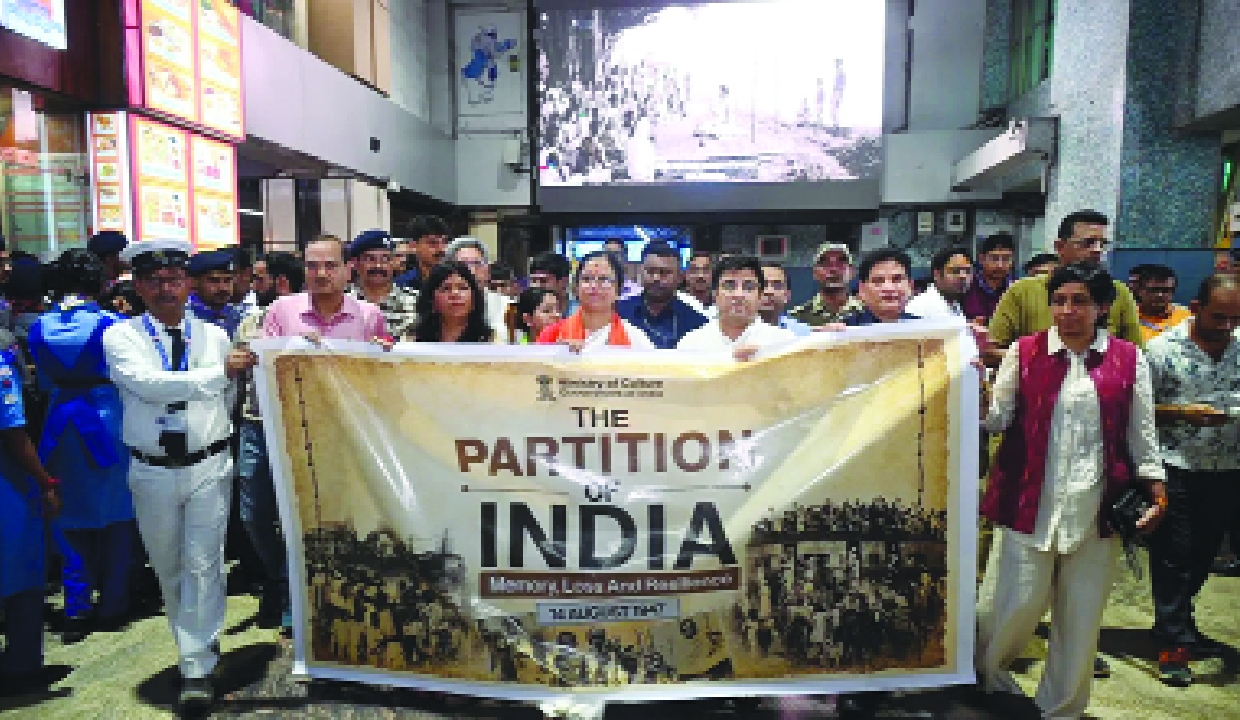
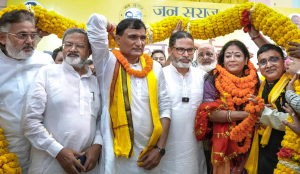
Bengal observed the Partition Horrors Remembrance Day even as a Bhumi Pujan (groundbreaking ceremony) was held at the iconic Sealdah Station in Kolkata for the installation of a memorial statue dedicated to the victims of the Partition of 1947.
The memorial, which was likely to be completed by November, will exhibit and pay tribute to the countless people who endured the largest human displacement, suffering, violence and loss in recorded history during the Partition.
“Trains came from that side loaded with dead bodies and stink of blood … it all told the grim stories of those who died there or en route and those who were left to die homeless, destination less far away from their homesteads in Kolkata and suburbs,” Bengal Industries Minister Tapas Roy said.
“The Partition of India was not a simple drawing of a line through the courtyards, ponds, paddy fields or homesteads … it was a partition of aspirations, sense of belonging, hope and everything … lakhs of people came and went when population traversed from this side or that side of the border … this mural will make us remember their sacrifices and pains suffered by that generation … the next generation must know what happened to those who were the victims of the partition,” Bengal Minister Agnimitra Paul said adding from now on the day would be observed on August 13 and 14 every year.
The Bengal Government extended the observance across August 13 and 14, making arrangements for district-level candle marches, documentary screenings, and archival photo exhibitions detailing the human cost of the 1947 Partition.
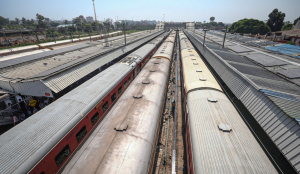
“Every day several thousand people come to Kolkata via Sealdah, which was a living witness to the horrors of Partition … the mural and the statue will offer an insight into what happened then for those who may have forgotten this or who have not known this side of the history,” Paul said.
The programme was held in coordination with the Union Ministry of Culture and the Indira Gandhi National Centre for the Arts (IGNCA).
Apart from Paul and Roy, Bengal Minister of State for Information and Cultural Affairs Purnima Chakraborty and senior Eastern Railway and IGNCA officials were present at the programme.
On why Sealdah station was to be chosen for the installation of the mural, a senior official said that “because most of the victims of the Partition arrived at Sealdah from living behind their homes, dead relatives and properties, Sealdah became a very important transit point”, adding that not a single day passed when fewer than 2000 refugees were camping at Sealdah Station for three years from 1947. “We still are bearing the brunt of Partition,” he said.