Parliamentary panel calls for next generation reforms in Panchayati Raj
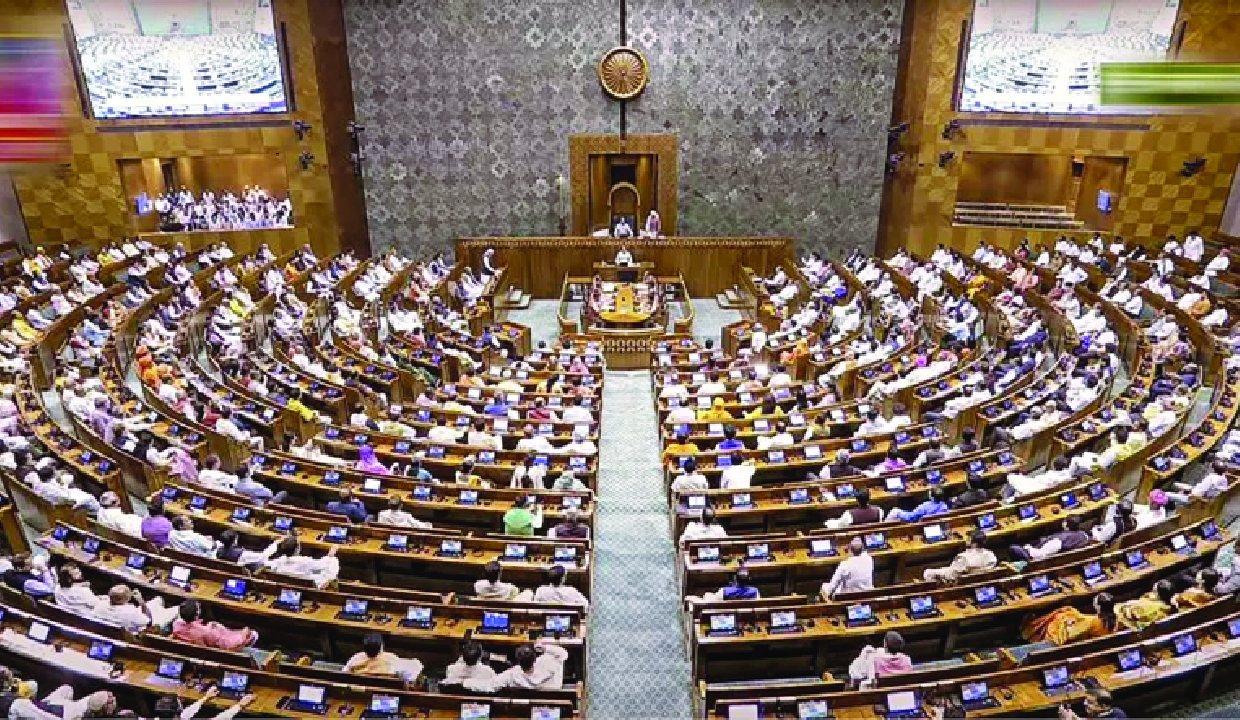
The Government should undertake a comprehensive review of the functioning of Panchayati Raj Institutions (PRIs) and formulate a roadmap for the “next generation of panchayat reforms” to strengthen democratic decentralisation, financial sustainability and citizen participation, a parliamentary committee has recommended.
In a report tabled in Parliament on Wednesday, the Department-related Parliamentary Standing Committee on Rural Development and Panchayati Raj said that while PRIs have emerged as important instruments of democratic decentralisation over the past three decades, several structural challenges continue to persist.
“The Committee are of the considered view that after more than three decades of experience, the time has come to move beyond the mere creation of institutions and focus on strengthening their effectiveness, responsiveness and capacity to deliver sustainable and inclusive development,” the report said.
It recommended that the Ministry of Panchayati Raj “undertake a comprehensive review of the functioning of Panchayati Raj Institutions in consultation with States, experts and other stakeholders and formulate a roadmap for the next generation of panchayat reforms”.
The roadmap, it said, should focus on “deepening democratic decentralization, strengthening institutional capacities, enhancing financial sustainability, promoting digital governance and ensuring greater citizen participation”.
The panel also recommended institutionalising “robust performance assessment and monitoring mechanisms” and promoting “evidence-based planning and decision-making at the grassroots level through appropriate indices and data-driven frameworks”.
The committee also expressed concern that Gram Sabha meetings were losing their vitality.
“The Committee notes with concern... that in many areas Gram Sabha meetings are becoming ceremonial in nature and public participation has declined considerably,” it said.
Warning that this would weaken grassroots democracy, the report said, “The Committee are of the view that weakening of Gram Sabhas would adversely affect the spirit of democratic decentralisation envisaged under the Constitution.”
It recommended that the ministry, in coordination with states and Union Territories, take “concerted measures for revitalisation of Gram Sabhas through awareness campaigns, use of digital platforms, social mobilisation and greater participation of women, youth and vulnerable sections” and evolve mechanisms to periodically assess the quality and effectiveness of Gram Sabha functioning. “Revitalising Gram Sabha is critical for realising Mahatma Gandhi’s vision of Gram Swaraj,” it said.
The committee further noted concerns regarding “excessive concentration of powers at the Gram Panchayat level and inadequate empowerment of Intermediate and District Panchayats”, and said weakening higher tiers “adversely affects integrated planning and coordinated development and undermines the spirit of democratic decentralization”.
It recommended that the ministry encourage states and UTs to strengthen Panchayat Samitis and Zila Parishads and examine ways to enhance the role and authority of elected representatives in Panchayati Raj Institutions.
On finances, the committee observed that despite higher grants from successive Central Finance Commissions, panchayats continue to depend predominantly on such transfers.
“The Committee are of the view that excessive dependence upon external grants adversely affects the autonomy, sustainability and effectiveness of Panchayati Raj Institutions,” the report said.
The panel also recommended that the ministry formulate, in consultation with states and UTs, “a comprehensive strategy for strengthening own source revenues of Panchayats”, encourage innovative mechanisms for local resource mobilisation, pursue timely constitution of State Finance Commissions and operationalise performance-based incentives to improve financial management and accountability.
The committee also highlighted concerns over the functioning of women’s reservation in PRIs.
While appreciating that reservation for women has resulted in women constituting nearly half of the elected representatives in PRIs, the panel said it noted: “with concern reports of proxy representation by male family members and inadequate institutional support available to newly elected women representatives”.
“The Committee are of the view that proxy representation defeats the spirit of reservation and undermines the objective of women empowerment,” the report said.
The panel recommended effective implementation and periodic monitoring of the ministry’s advisory on the issue and called for “separate training modules and mentoring mechanisms involving Self Help Groups and experienced women representatives”, with special focus on Scheduled Caste and Scheduled Tribe women representatives.