Pakistan’s catch-22 over Yemen
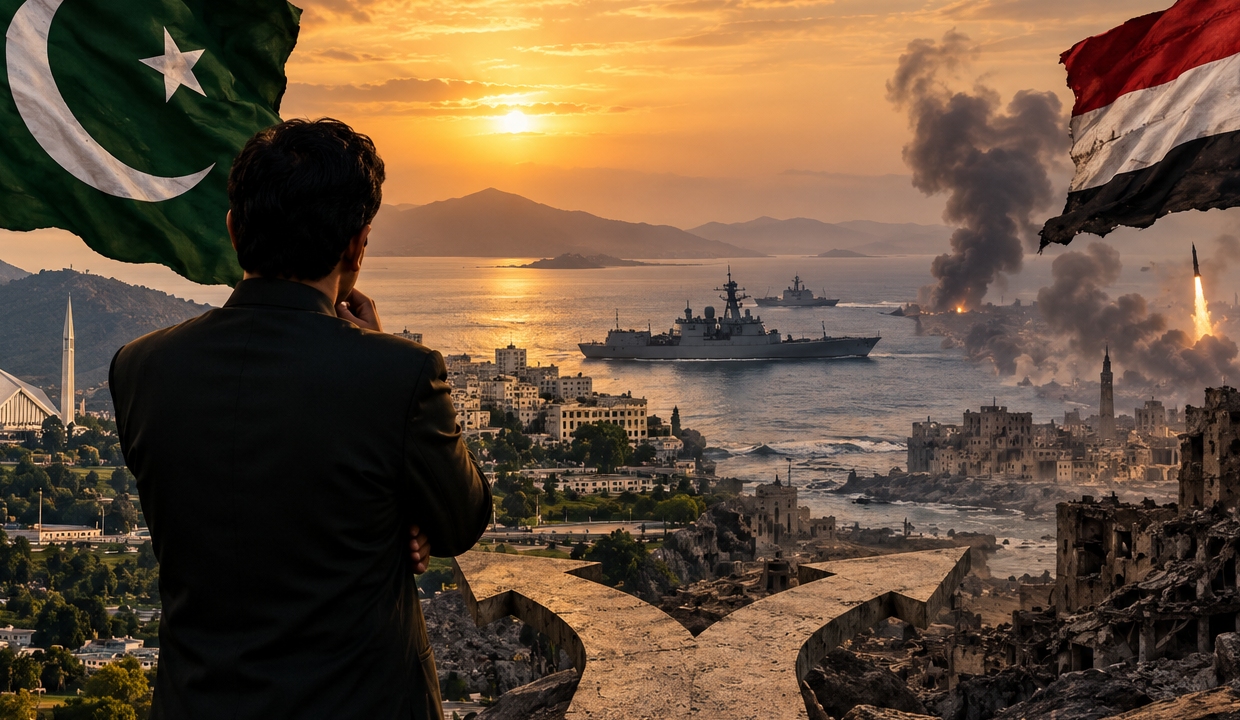
For eleven years, Islamabad has dodged one question: will it fight for Saudi Arabia? In April 2015, Parliament unanimously chose neutrality in Yemen while promising support if the kingdom’s territory or holy sites were threatened.
That formula survived because nobody tested it. Now someone is. Pakistan has since signed two defence pacts. The Strategic Mutual Defence Agreement of September 2025 treats aggression against either party as aggression against both. The Makkah Joint Defence Agreement, signed with Türkiye on August 7, extends the principle to three. Meanwhile, Yemen’s 2022 truce collapsed in July. The Houthis have declared a naval blockade of the kingdom and hit its tankers and oil sites.
Islamabad’s response has been calibrated. On September 10, the Foreign Office said military action against the Houthis was not under discussion. A week later, the army’s spokesman said Pakistan stood with Riyadh “physically” as well as diplomatically. On October 2, the corps commanders endorsed the Makkah pact and condemned the Houthi attacks. Now the pact’s political and defence committee meets in Riyadh, just as Yemen’s Saudi-backed government opens a major offensive against Houthi-held territory.
It is a catch-22 situation for Pakistan.
Neither yes nor no is cheap. Saying yes means confronting Iran, the Houthis’ principal patron, which shares a roughly 900-kilometre border with Pakistan. Islamabad has spent months brokering between Washington and Tehran, and it hosts one of the largest Shia populations outside Iran. Its army is stretched between India and a Taliban-run Afghanistan, and the PTI’s march on Islamabad shows politics at home is anything but quiet.
Saying no is no cheaper. Pakistani troops and fighter aircraft have been at King Abdulaziz Air Base since April, and Pakistan heads the alliance’s new secretariat in Riyadh. The 2015 refusal severely strained ties with Riyadh; backing out after two treaties and loud assurances would cost far more.
The way through is a distinction Pakistan must now draw in public: defending the kingdom is not fighting in Yemen. Protecting Saudi airspace, bases and holy sites is one commitment; storming Houthi territory is another.
But because the attacks originate in Yemen, the line blurs fast. Air defence becomes naval escort, and escort becomes strikes on launch sites. Pakistan’s Parliament, which settled this question in 2015, should debate it again before any deployment. Pakistan could pursue the political track and engage the Houthis diplomatically. Islamabad’s rare asset is that it can talk to both Riyadh and Tehran. Spend it on mediation before spending soldiers. A pact is a promise made in peacetime. Pakistan must decide, before the next missile lands, what it will pay to keep it.