Pakistan Opposition slams emergency in KPK
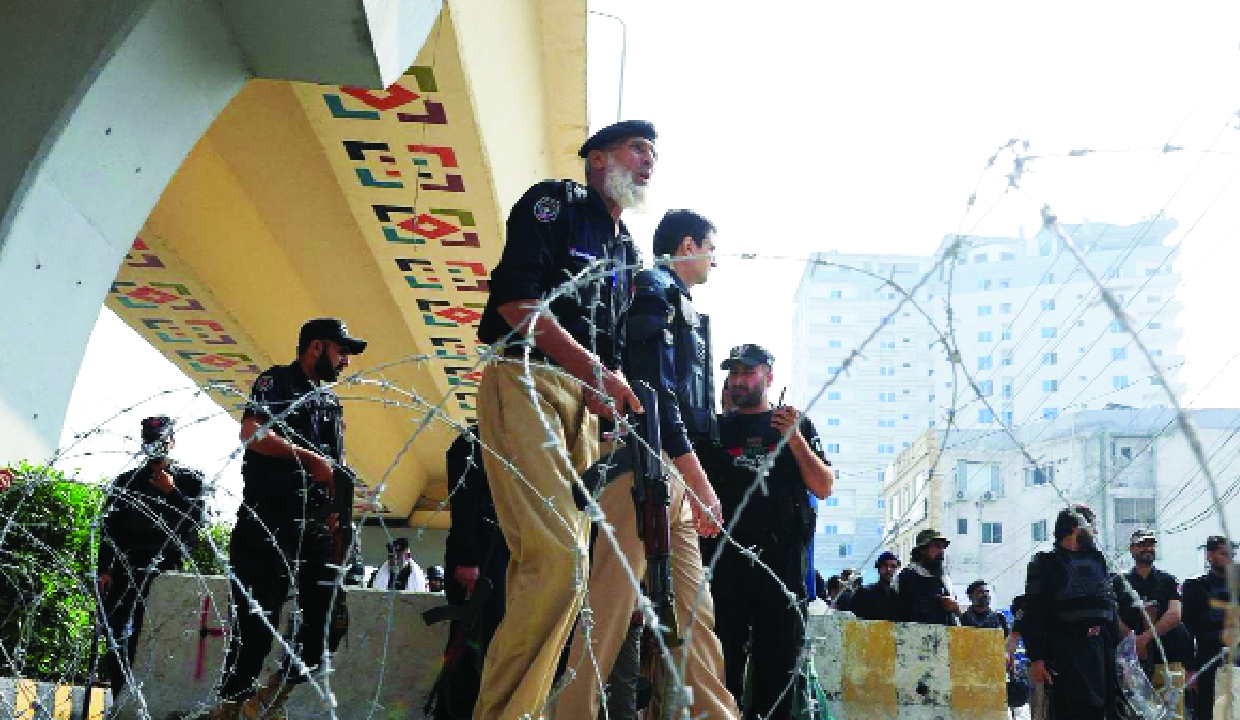
Pakistan opposition parties and a lawyers’ body on Sunday strongly condemned the imposition of emergency and governor’s rule in Khyber Pakhtunkhwa province, calling it a “grave political mistake” which the people will never accept.
The Shehbaz Sharif government on Sunday imposed an emergency and governor’s rule in Khyber Pakhtunkhwa (KPK) following the president’s approval.
The Prime Minister’s Office said in a statement that the cabinet members reviewed the situation and took note of the “provincial government’s deliberate disengagement from the fight against terrorism”. President Asif Ali Zardari issued a proclamation under Articles 232(1) and 234(1) of the Constitution, citing rising terrorist attacks and a breakdown of constitutional machinery in the northwestern province, according to the presidential declaration.
The members proposed, given the “gravity” of the situation, that the PM advise the president to exercise “his constitutional authority and impose an emergency in the province under Articles 232 and 234 of the Constitution”.
An emergency allows Pakistan’s federal government to assume key executive and legislative powers in a province during a security crisis or breakdown of constitutional governance. Under the proclamation, the chief minister, provincial ministers, advisers, special assistants and advocate general will immediately vacate their offices.
The move comes amid an ongoing protest march led by KPK Chief Minister Sohail Afridi, who is pressing for jailed former prime minister Imran Khan’s release and access to medical treatment for him. The march began in Lakki Marwat on October 4 and has passed through several districts of the province.
Pakistan Tehreek-e-Insaf (PTI) chairman Barrister Gohar Khan said, “We completely reject this action. The mandate of the people of the KP is their constitutional and legal right. Peace cannot be established nor stability brought by ignoring this mandate, weakening provincial autonomy and creating conflict between the federation and the province.”
He said terrorism can only be combated through national unity and a joint strategy.
PTI senior leader and former federal minister Moonis Elahi lambasted the federal government, saying provincial autonomy is no charity; it is a constitutional right.
“The people’s mandate is no one’s fiefdom to be snatched away at will. There can be no compromise on the supremacy of the Constitution, the people’s right to governance, and provincial autonomy,” Elahi said.
The party will raise a strong voice on every constitutional, legal, and democratic forum for the protection of the people’s mandate, provincial autonomy, and constitutional and democratic rights, he added.
Jamaat-e-Islami Pakistan chief Hafiz Naeemur Rehman said: “When forces that come to power through the altar of authority try to govern through governor’s rule and emergency provisions, it is clear that the lamp of their government is about to be extinguished.”
The Punjab Bar Council said that extraordinary powers should not be used to suppress political differences and restrict civil liberties.
“The federal government and relevant constitutional institutions must ensure the protection of the fundamental rights of the people of the KP. Provincial autonomy must be respected and any illegal or arbitrary actions must be avoided,” the Punjab Bar Council said in a statement.
It said there can be no compromise on the rule of law, independence of the judiciary, freedom of expression, and the democratic system.
Former federal minister Asad Umar said Sharif and Zardari did not just sign off on governor’s rule and emergency, in fact, they have embarked on a journey to dismantle this system.
“In this political grave, the burial of all political parties is about to take place,” he warned.
Khan, the 73-year-old former cricketer-turned-politician, has been incarcerated at Adiala Jail in Rawalpindi since 2023 and faces more than 100 cases, including corruption and charges related to inciting violence.
The long march followed the failure of two rounds of talks between Khan’s party and the federal government. The discussions broke down over the party’s demand for access to Khan before calling off the protest, while the government insisted that the demonstration be ended first.