Opposition slams Suvendu’s move for anti-conversion law in West Bengal
The Opposition parties have questioned the “intention behind” Bengal Chief Minister Suvendu Adhikari’s announcement that his Government was planning to bring legislation to prevent forced conversions in tandem with the proposed Uniform Civil Code.
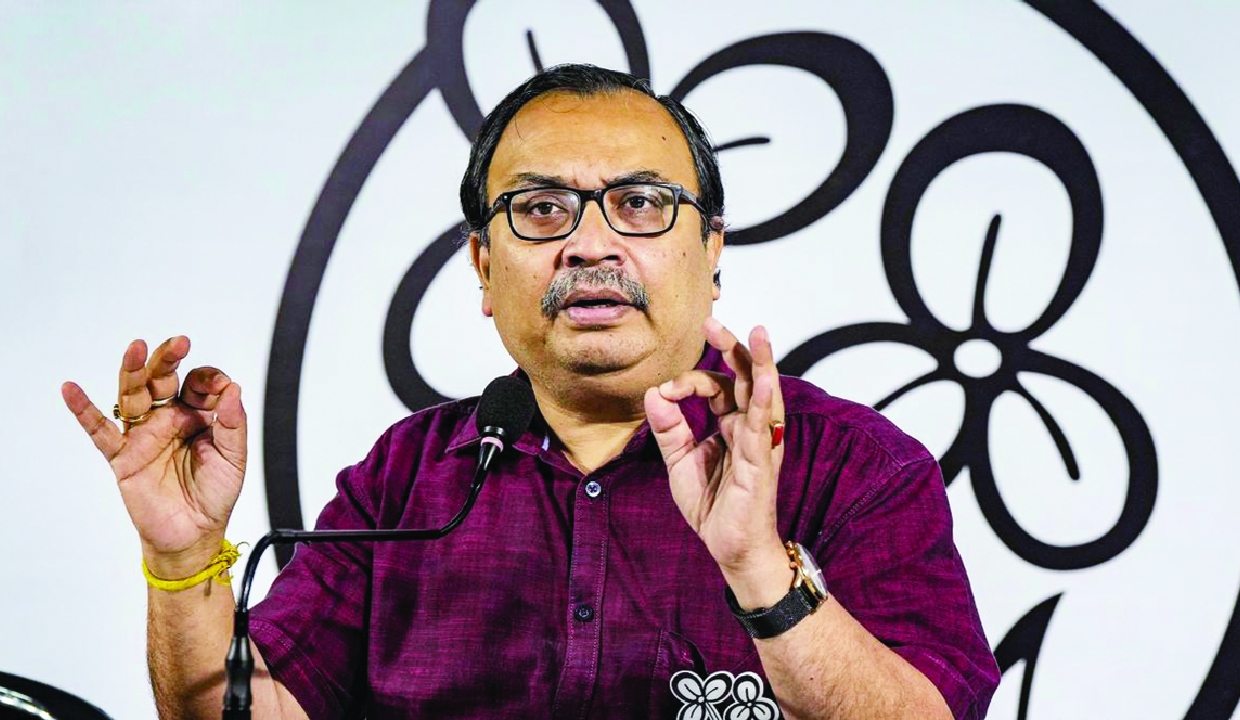
While senior pro-Mamata Banerjee Trinamool Congress leader Kunal Ghosh said that such laws were only a “diversionary tactic to hide the Government’s failure to implement the social programmes that were promised before the elections,” CPI(M) central committee member and former MP Sujan Chakrabarty said “both the proposed UCC and anti-conversion laws are a part of the BJP’s divisive agenda… but that will not succeed in a State like Bengal… here you have to work and win by ideological appeal and nothing else because the people are politically conscious.”
Adhikari had on Tuesday told reporters at Bankura that his Government was planning to introduce a bill to prevent forced religious conversions in the state. Informing that the Uniform Civil Code would be implemented in the state shortly, he said that the draft bill in this regard has already been prepared and was being scrutinised by an expert committee.
The State Government had formed a nine-member high-level committee led by former Supreme Court judge Justice Ranjana Prakash Desai to examine the draft UCC law.
Alleging that funds that were coming to Bengal from abroad in the name of setting up religious institutions were in fact being used for religious conversions, Adhikari said that his government was planning a new law to stall such activities.
He also said that a new and strict law would be brought on transfer of property through transaction of lands.
“A strict law is also in the offing to control the sale and purchase of lands,” he said, apparently against the backdrop of reports of large swathes of lands belonging to a particular community getting transferred to another community in some minority dominated districts or areas along the international borders.