Oil boils, throws GDP in cauldron
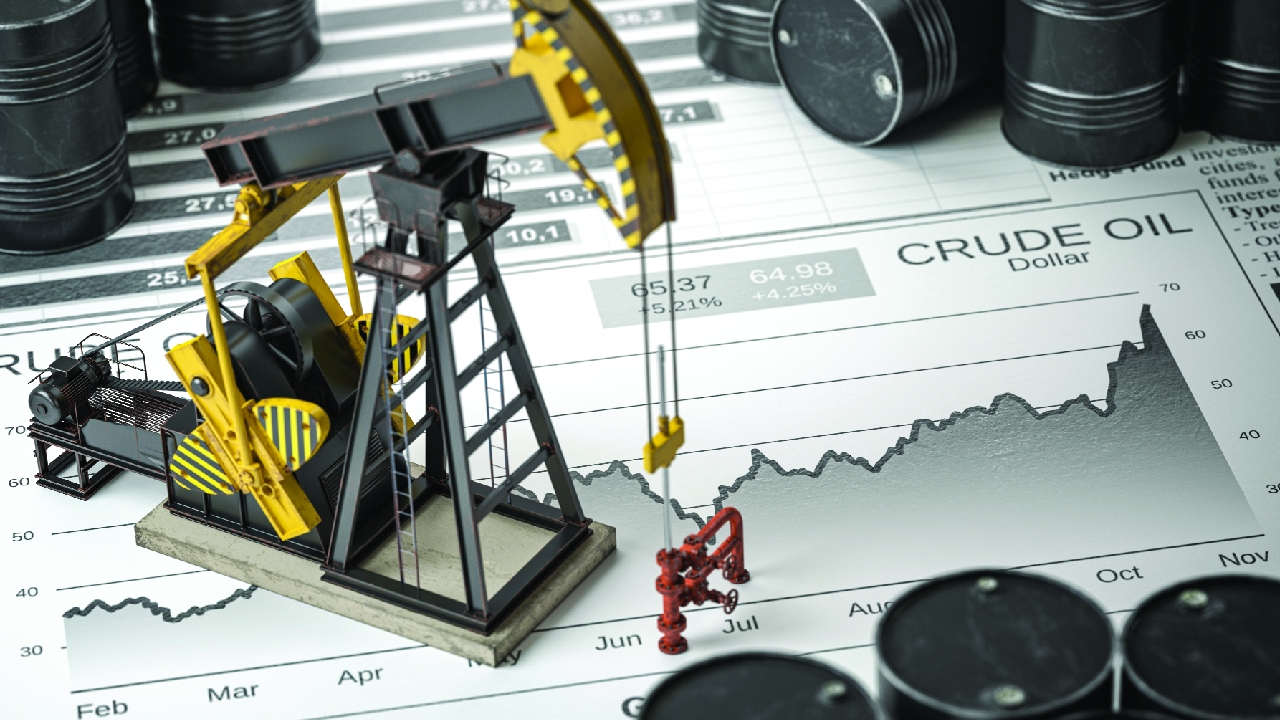
It was a ‘Black Monday’ of the blackest nature. The dark slick turned into huge fires that hungrily licked at every asset base, be it stocks, currencies, commodities, real estate, and GDPs. The looming flames turned everything dark as the smoke made it difficult to see, or even imagine, and the temperatures numbed the minds and hearts. Even the boisterous never-ending celebrations of India’s unprecedented victory in the T20 World Cup were muted, even silenced. Oil is on the boil, economies are in turmoil, and the various assets are roiling in recoil. No one wants to go near it, no one can walk away from it.
Every morning, when the Sensex, the Bombay Stock Market Index, opens, it is more than 2,000 points down, sometimes more. Investors expect a beating, rather a battering, over the next six-plus hours. But miraculously, on several days, the index jumps, dumps the negative sentiments, and pumps up optimism. The dance, energy, efforts, and emotions lie in tatters by the end of the session. The Sensex is still down by 1,000 points, and more, with another shattering day on the horizon. It is more of a tango between the bulls and bears, maybe the bulls are the bears, and bears bulls. The bears are initially overbearing. The bulls pull up their socks. The bears crash the party.
At the end of each day, the experts, analysts, and brokerages justify the free falls. Three, four, or five reasons why the indices crashed, stocks were smashed, and investors dashed out after fire sales. The more you read the analyses, the more you want to knock yourself against the wall, or knock the writer’s hand with your fist. Escalating Middle East tensions, now you think I am a dumbo. Surge in crude oil prices, of course, you think I am joker and naïve. FIIs outflows continue, well, are you a buyer despite your advice to buy low, and sell high.
Rupee, does it matter? Each morning, or on many mornings, the Reserve Bank of India (RBI) sells dollars to support the rupee. But there are more buyers of dollars, and they include importers desperate to protect their financials, and investors who do not care about the rupee, or any other currency, except the greenback. Not too long ago, experts predicted the decline, even demise of the dollar. Today, they hide their faces, as the dollar is the only Emperor standing. Yes, we know the dynamics. Higher crude prices, higher imports, higher trade deficit, weaker rupee, even higher imports, and deficits.
What if this theory does not work in practice. Higher crude may translate into lower imports due to lower energy use. Lower rupee may lead to higher exports because of the pricing advantage. Maybe, a lower rupee against other currencies in nations where Indians migrate, and send money home, can result in higher remittances, which may imply more foreign exchange reserves. Of course, in this scenario, GDP growth suffers. But GDP growth suffers in every scenario, even the most optimistic one. A weak rupee, as many official loyalists claimed until last year, was a boon, and showed that the economy was in top gear.
Finally, it is about oil which, like a super-coiled spring, is about to strike anyone and everyone, without warning, without reason, and without a word. It does not matter who you are, where you are, and what you do. You are in the grasp of at least one of the tentacles of this 1,001-headed octopus. He is here, there, everywhere, waiting to lunge. It is not up to you. There is no place to hide. It is not even up to the octopus, who slips in the slick oil, and does not know his next victim, the next capture. It is over $100 a barrel. It can be $200, who knows.
A few days ago, Qatar’s energy minister predicted crude @ $150. The prediction is already stale, ready to be thrown in the dustbin of history. But what he added is important. A prolonged war can force major producers to stop production, as Qatar had to do with LNG. Normal flows will further be impacted due to the bombings of the energy infrastructure in the Middle East. Forget Venezuelan oil, even Saudi oil may vanish. Or possibly, it is the other way around. Forget Saudi, Iraqi, Qatari, and Iranian oil for the moment, focus on Venezuela.
According to a bland media report, and most have become like that, “Brokerages have begun modelling similar extreme scenarios. Analysts at DBS Bank recently said crude prices could climb into the $100-150 per barrel range if shipping through the Strait of Hormuz is significantly disrupted. For oil importing nations like India, such a sur would be particularly damaging. According to analysts at ING, even a 10 per cent increase in oil prices can worsen the external balances of emerging economies by 40-60 basis points, placing pressures on currencies and capital flows.” Tell us something new, please. We know this, and more. More importantly, are you sure as oil is already $120+.
Enough of the bad news, the blah, blah, blah. What good can come out of this? As we mentioned earlier, India’s foreign exchange reserves, trade deficits, and imports can improve even if the GDP suffers. Inflation will surely be high. Which may secretly please the finance minister, although she will never admit it publicly, or even privately, because it will push up nominal growth, and correct the crucial fiscal numbers that seem to be going awry. Of course, inflation will hurt consumers, and have political implications. But then inflation can positively impact the fortunes of a few sectors and firms.
Inflation will give excuses to the private and state-owned players to hike prices. Most of them, possibly all of them, except a few, were forced to lower prices due to the GST tax cuts in September 2025. Even if the input prices did not justify it, even if the withdrawal of refunds due to input tax credit were withdrawn, and even if bottled-up demand demanded a rise in selling prices. Now, with inflation up, the firms can up the prices, and consumers will have no option but to pay more.
A slack in demand will be welcome due to lower available energy, which is more expensive, and lead to lower production in any case. It is a matter of what is preferable to a firm, buyer, and policy-maker.