Nutrition Week 2026 - The value of eating right, and how India can get there
A recent UNICEF report found that childhood obesity has overtaken underweight as the world’s most common form of malnutrition among school-age children for the first time - and India, again, is squarely part of that shift
New government survey data show India winning some old nutrition battles even as a newer one — obesity — gathers pace. Since 1982, India has observed September 1 to 7 as National Nutrition Week, built around a simple idea: food is not just fuel; it is vital to health, learning and productivity. This year’s observance overlaps with Rashtriya Poshan Maah, whose 2026 push uses the theme “Poshan Bhi Padhai Bhi” — nutrition and education together for children.
The numbers tell a mixed story. In the 2025 Global Hunger Index, India ranked 102nd of 123 countries, with a score of 25.8, an improvement on 105th the year before. Undernourishment, stunting and child mortality have improved, but child wasting has barely shifted.
The National Family Health Survey-6, covering 2023-24, shows child stunting falling from 35.5 per cent to 29.3 per cent and severe wasting nearly halving, from 7.7 per cent to 5.2 per cent. But the underweight rate among children barely moved. Overweight and obesity among women have climbed from 13 per cent in the mid-2000s to nearly 31 per cent now. ICMR’s National Institute of Nutrition estimates that more than 17 million Indian children and adolescents are living with obesity, with the figure expected to cross 27 million by 2030. This is a double burden: stunting, micronutrient deficiency and obesity.
It happens when diets change faster than public health systems can adjust: processed food, sedentary work and a food environment where unhealthy options are the cheapest and closest.
Policy is responding unevenly. Poshan Abhiyaan’s tracking app monitors services for close to nine crore beneficiaries across roughly 14 lakh Anganwadi centres. A parliamentary committee has pushed for mandatory front-of-pack labelling, while an ICMR-NIN-led consortium has proposed a tax on high-fat, high-salt and high-sugar foods.
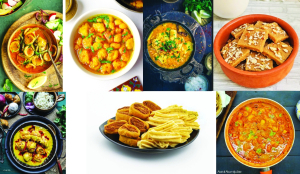
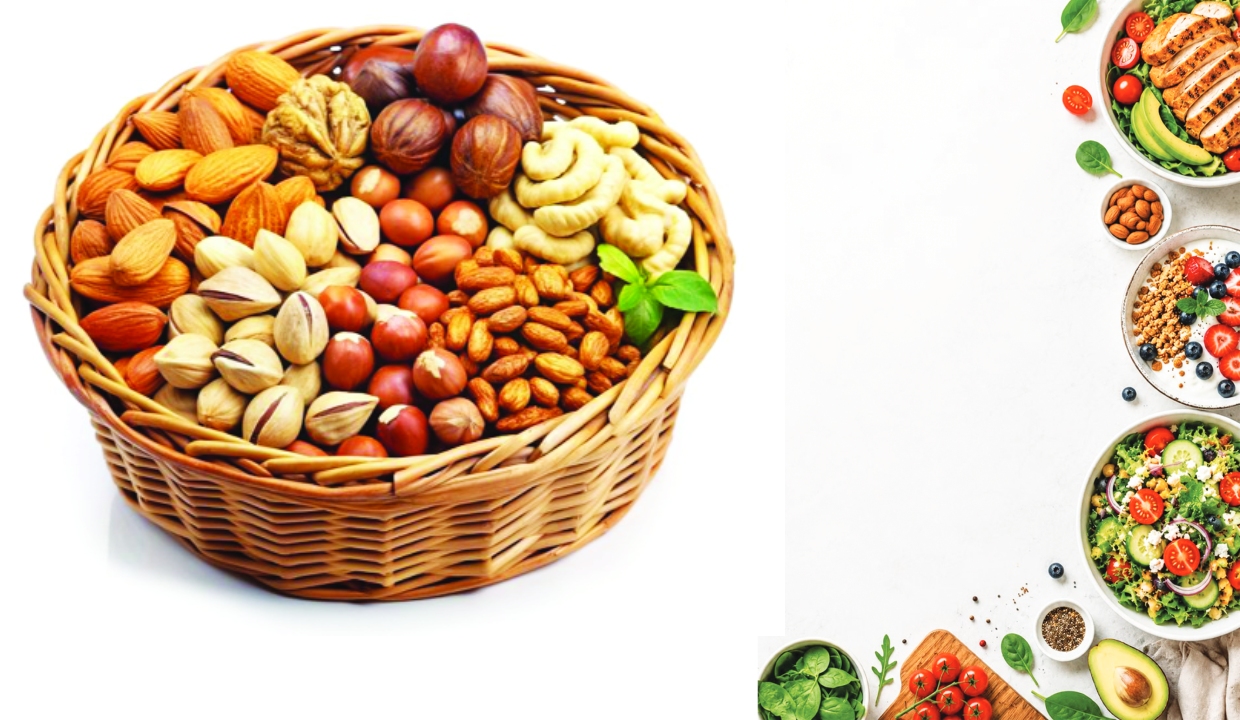
ICMR-NIN’s revised Dietary Guidelines for Indians offer a “My Plate for the Day”: half the plate should be vegetables and fruit, including green leafy vegetables; the other half should combine grains and protein, including cereals, millets, pulses, nuts, dairy, eggs or meat. Added sugar, salt and refined oil should remain minimal, while fried and packaged snacks should be occasional. Millets, seasonal vegetables and pulses can be cheaper and more climate-resilient than much of what has replaced them in urban diets. Training Anganwadi staff and enforcing food labelling will determine whether next September’s numbers look different.