No safe haven to terrorists: Shah to BIMSTEC
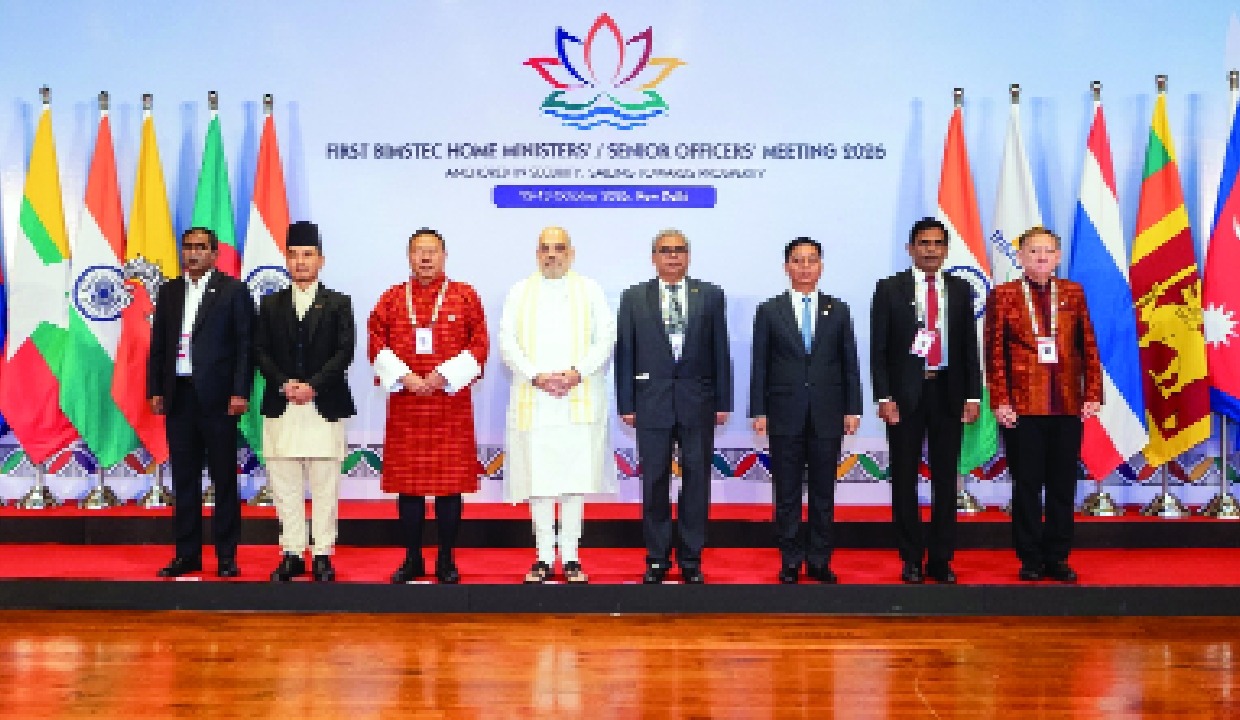
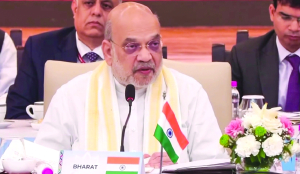
Union Home Minister Amit Shah on Tuesday pressed for stronger regional cooperation among Bay of Bengal Initiative for Multi-Sectoral Technical and Economic Cooperation (BIMSTEC) countries to combat terrorism, disrupt terrorist financing and organised crime, and ensure that no terrorist network finds a haven in the region.
Addressing the grouping's first Home Ministers' Meeting here, Shah said India follows a zero-tolerance policy towards terrorism. He added that the trust underlying the BIMSTEC partnership is strengthened by the belief that each member country's security arrangements should contribute to the security of the others.
Shah called for a collective resolve to prevent terrorist networks from finding shelter, establishing bases and training facilities, mobilising resources or conducting activities against other member countries. He urged all members to cooperate on mutual legal assistance and extradition under their national laws and applicable agreements, saying such cooperation will strengthen efforts to bring criminals to justice.
Highlighting counterterrorism and law enforcement as key areas of cooperation, the minister called for the exchange of actionable intelligence through existing nodal agencies and greater coordination to combat terrorist financing and organised crime. Timely exchange of verified, actionable information on terrorists, their associates, criminal networks, financial channels and cross-border activities can strengthen collective security, he said.
On narcotics smuggling, Shah said no single country can stop it. "We must adopt a whole-of-region approach. The illegal proceeds from drugs provide financial strength to organised crime and are also used for terrorist financing. The diversion of precursor chemicals and transactions through the dark web make this challenge even more complex," he said.
The remarks described narcotics as more than just a law-and-order problem. They highlighted how drug money supports organised crime and terrorism financing in the Bay of Bengal region. Shah stressed the importance of working together to monitor supply chains, precursor chemicals, and illegal financial flows that often move across borders. The BIMSTEC comprises Bangladesh, Bhutan, India, Myanmar, Nepal, Sri Lanka and Thailand. It aims to promote economic and technical cooperation among countries bordering the Bay of Bengal and in its neighbourhood.
While the grouping has traditionally focused on connectivity, trade and technical collaboration, the first dedicated meeting of home ministers signals a sharper focus on shared security threats that can undermine those broader goals.
Shah's emphasis on intelligence sharing, legal assistance and a regional stance against narcotics reflects an attempt to translate political statements into operational coordination. For India, the zero-tolerance line and the insistence that no member offer sanctuary continue a consistent diplomatic position. For the grouping as a whole, the meeting tests whether practical mechanisms can match shared geography and economic ambitions against threats that ignore borders.
As talks continue in New Delhi, the real value of this first meeting will depend less on official statements and more on whether it leads to better intelligence sharing, stronger extradition and legal cooperation, and a shared strategy for cutting off the funding behind crime and terrorism.