Netanyahu to meet with Trump to push for Iran deal
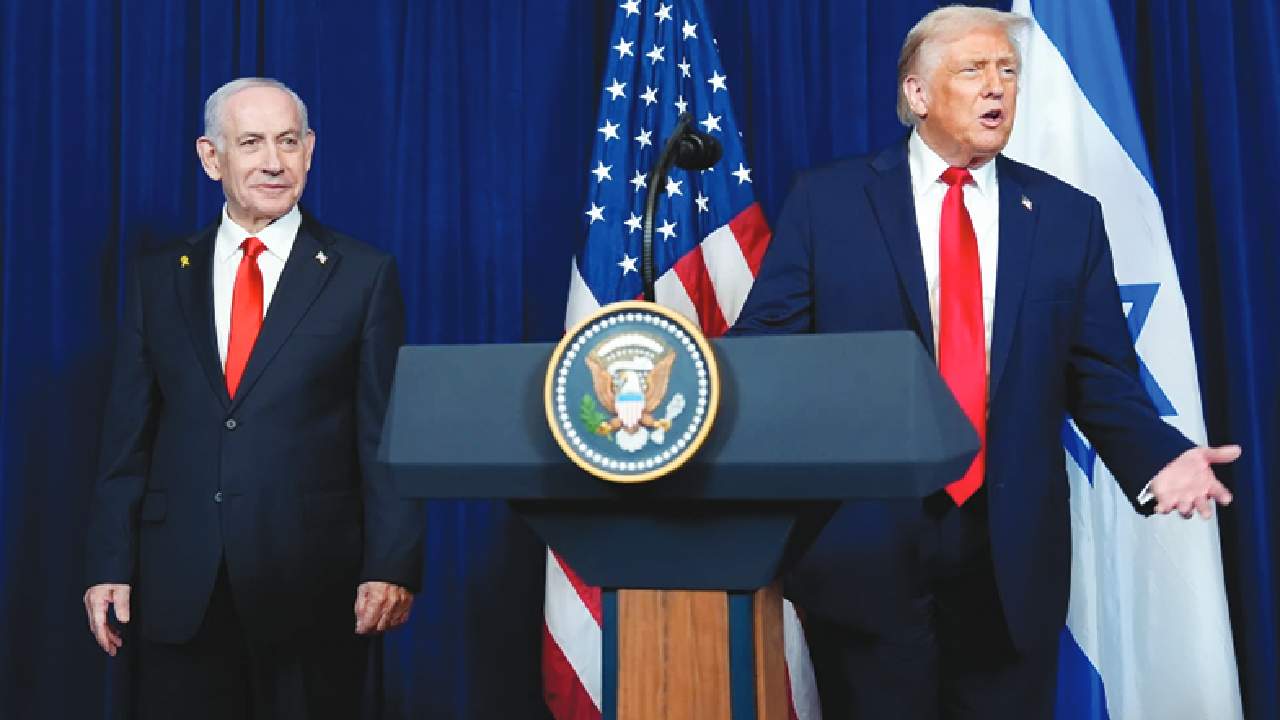
Prime Minister Benjamin Netanyahu is heading to Washington on Tuesday to encourage President Donald Trump to expand the scope of high-stakes nuclear talks with Iran. The negotiations resumed last week against the backdrop of an American military buildup. Israel has long called for Iran to cease all uranium enrichment, dial back its ballistic missile program and cut ties to militant groups across the region. Iran has always rejected those demands, saying it would only accept some limits on its nuclear program in return for sanctions relief.
It’s unclear if Iran’s bloody crackdown on mass protests last month, or the movement of major U.S. Military assets to the region, has made Iran’s leaders more open to compromise, or if Trump is interested in broadening the already difficult negotiations. Netanyahu, who will be in Washington through Wednesday, has spent his decades-long political career pushing for stronger US action toward Iran.
Those efforts succeeded last year when the US Joined Israel in 12 days of strikes on Iran’s military and nuclear sites, and the possibility of additional military action against Iran is likely to come up in this week’s discussions. Decisions are being made. Netanyahu’s visit comes just two weeks after Trump’s special envoy Steve Witkoff and Jared Kushner, Trump’s son-in-law and Middle East adviser, met with the prime minister in Jerusalem.
The US Envoys held indirect talks in Oman with Iran’s foreign minister on Friday. “The Prime Minister believes that any negotiations must include limiting ballistic missiles and ending support for the Iranian axis,” Netanyahu’s office said over the weekend, referring to Iran-backed militant groups like the Palestinian Hamas and Lebanon’s Hezbollah.
Years of nuclear talks have made little progress since Trump scrapped a 2015 agreement with Iran, with strong encouragement from Israel. Iran has shown little willingness to address the other issues, even after suffering repeated setbacks. But the meeting with Trump gives Netanyahu an opportunity to shape the process and may also bolster his standing back home.
“Clearly these are the days when decisions are being made, America is expected to complete its force buildup, and it’s trying to exhaust the prospect of negotiations,” said Yohanan Plesner, head of the Israel Democracy Institute, a Jerusalem-based think tank. “If you want to have influence on the process, only so much can be done via Zoom.”