Nepal floods death toll rises to 903; over 4,200 people still missing
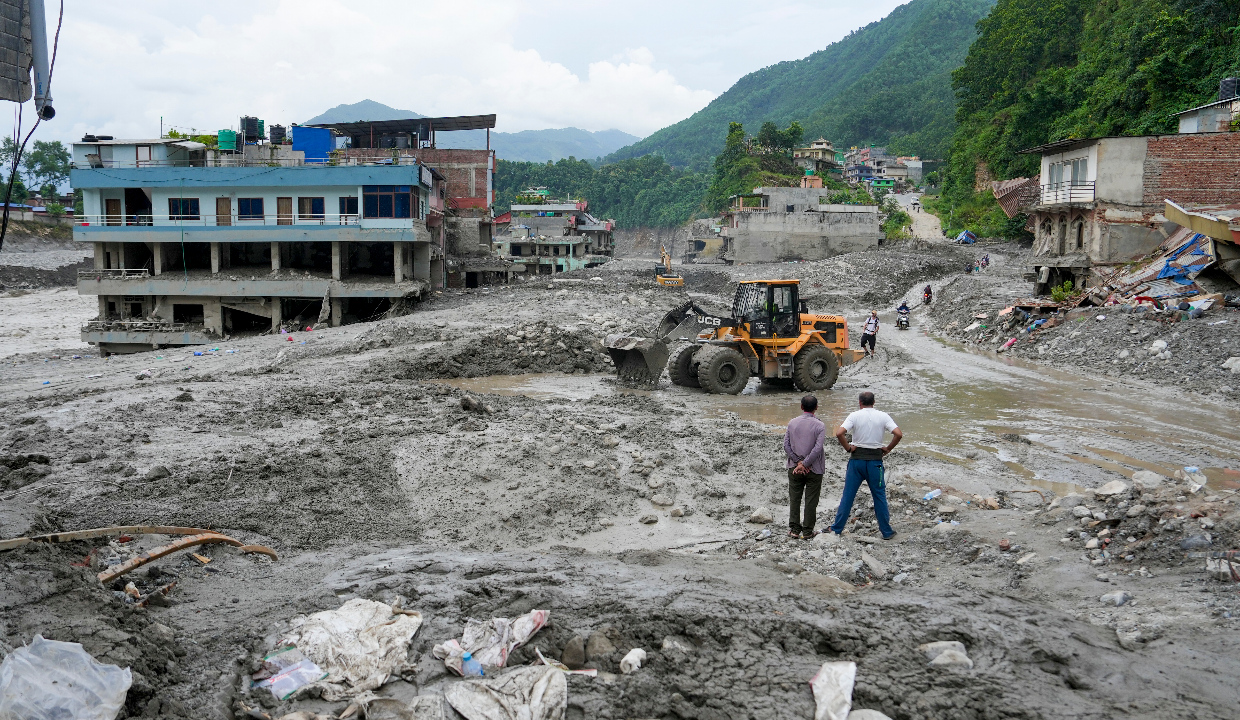
The death toll from the devastating flash floods in Nepal climbed to 903 on Monday, with rescue teams continuing to recover bodies. Another 4,247 people remain missing, authorities said.
According to the National Disaster Risk Reduction and Management Authority (NDRRMA), 272 bodies have been recovered from Chitwan, 207 from Nawalparasi East, 151 from Nawalparasi West and 62 from Gorkha.
A further 95 bodies were recovered from Nuwakot, 55 from Dhading, 37 from Tanahu and 24 from Rasuwa, the disaster authority said.
The NDRRMA said those reported missing include 99 security personnel and 591 foreigners, taking the total number of missing people to 4,247.
The flash floods struck northern and central Nepal on August 26. The disaster is believed to have been caused by the collapse or avalanche of ice and rock near the Nepal-Tibet border.
Floodwaters carried by the Bhotekoshi River from the Himalayan border region swept through downstream areas, destroying homes, vehicles, roads and bridges and causing damage to hydropower projects.
The disaster also claimed 16 lives on the Chinese side, while almost 550 people are still missing in Tibet, according to reports in Chinese media.
The floods also destroyed parts of the Bhotekoshi Corridor, Nepal's main overland trade route with China, along with the Rasuwagadhi border crossing between the two countries.
In a statement issued on Sunday, the NDRRMA warned that water levels in the Bhotekoshi River had risen again.
Officials said nearly 9,500 people had been rescued from areas affected by the floods by Sunday evening. Those rescued included local residents and tourists from several countries, including India, the US, China, Russia, the UK, Spain, Belgium, Germany, Italy, Malta, Turkiye, Switzerland and Portugal.
Meanwhile, hospitals in Nepal are seeing large numbers of people searching for relatives who remain missing. As the search continues, authorities are increasingly focusing on identifying those who died in the disaster.
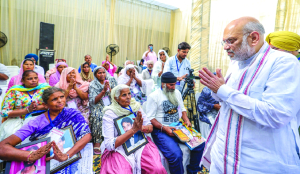
Photographs of missing people have been put up outside hospitals, where large crowds can be seen carefully going through them in the hope of finding their relatives.
Nepal's Foreign Secretary Amrit Bahadur Rai said at a press briefing on Sunday that the remains of victims who could not be identified, including those that were unrecognisable, amputated or decomposed after being exposed to water for a long period, had been buried in accordance with "standard and accepted protocols".
Rai also said an 18-member team of forensic experts from India specialising in DNA analysis had reached Nepal. He added that authorities in India and Nepal were continuing to coordinate on the identification process. (with inputs from PTI)