Nepal to amend laws to help families register deaths of 5,285 flood victims still missing
Nepal is preparing to amend two laws to make it easier for families to register the deaths of 5,285 people still missing after the devastating August 26 floods, enabling them to access relief, compensation and other legal benefits, officials said.
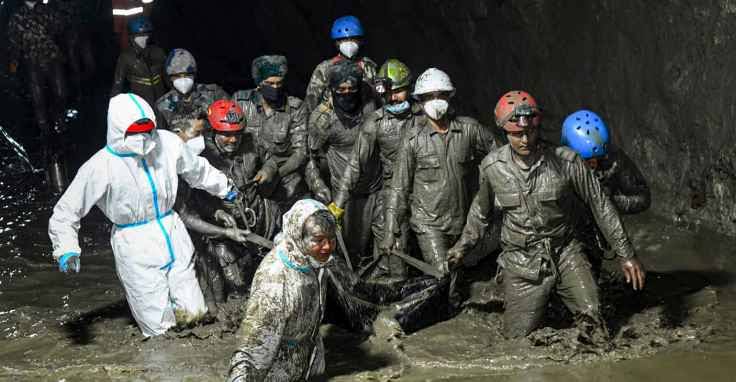
The move comes two days after the government ended a 40-day search-and-rescue operation for victims of the Bhotekoshi-Trishuli floods, which killed at least 1,455 people and left 5,285 missing, according to revised figures released by the National Disaster Risk Reduction and Management Authority.
The government is preparing amendments to the Disaster Risk Reduction and Management Act and the National Identity Card and Registration Act to address difficulties faced by families of those missing in the disaster in declaring and registering their deaths.
The issue was discussed at a meeting of the parliamentary special committee formed to study the August 26 disaster.
Law, Justice and Parliamentary Affairs Ministry Joint Secretary Subash Kumar Bhattarai told the committee that existing legal provisions were not sufficient to facilitate the declaration and registration of deaths in such cases.
The amendments will be pursued through a "fast-track" process, officials said.
Home Ministry Secretary Kedar Nath Sharma and Bhattarai provided the details at the committee meeting on Tuesday.
Law Minister Sovita Gautam said preparations were also underway to amend provisions related to the declaration and registration of deaths through an ordinance, as Parliament's regular session has ended.
Under Nepal's Civil Code, a person continuously missing for 12 years is generally presumed dead. Section 40 of the code, however, allows a court to declare a person dead if they have disappeared without notice or are believed to have died in a disaster or accident.
Officials said the existing judicial process had proved difficult for families of those missing in the floods, with the absence of death registration preventing them from accessing compensation and other benefits.
The government ended the search-and-rescue operation on Monday and shifted its focus to rehabilitation and reconstruction in the affected areas.
It said essential search activities would continue, including recovery of human remains and belongings found during rehabilitation work. Emergency rescue operations would also be carried out if necessary.
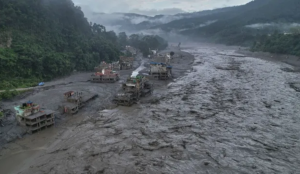
The August 26 flash floods, originating near the Nepal-Tibet border, devastated towns and villages across northern and central Nepal. The Bhotekoshi River, flowing south from the Himalayan border region, carried floodwaters downstream, sweeping away homes, vehicles, roads and bridges.
The disaster also damaged hydropower projects and caused widespread destruction across the flood-hit areas.