NATO ready to fight, but doesn’t want war: Commander
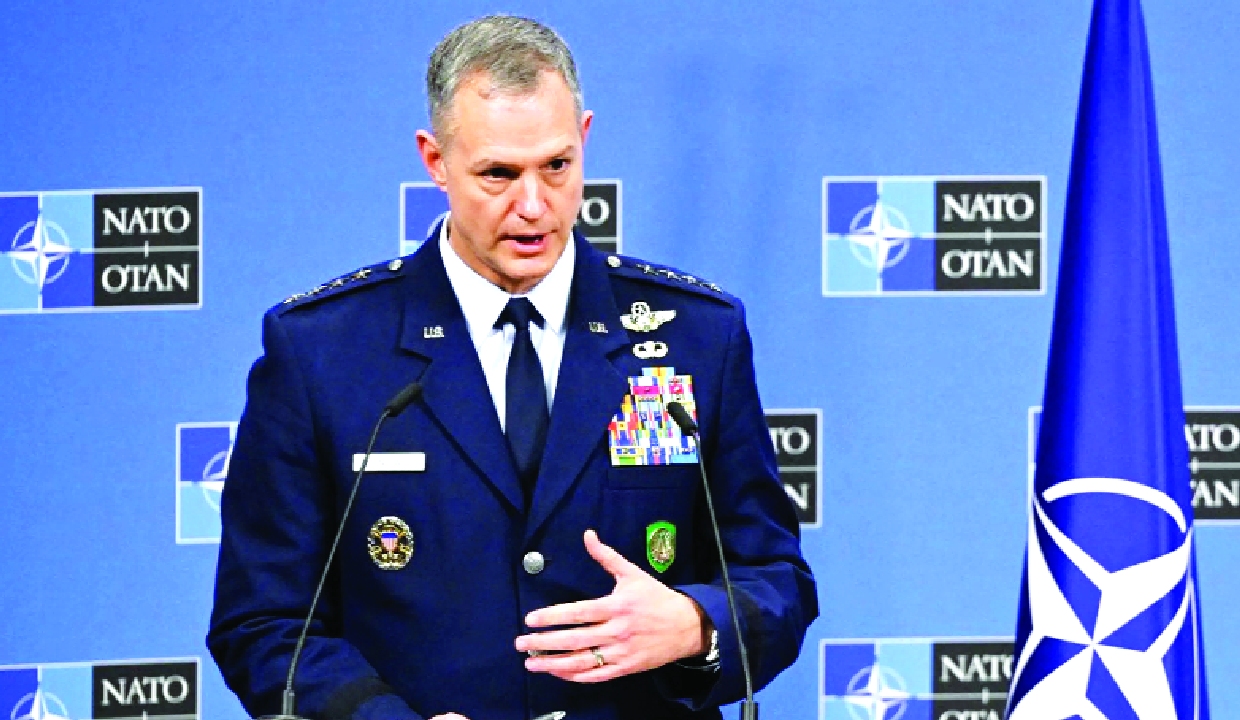
NATO's top military commander said the alliance is “ready to fight tonight” if it is attacked, as European officials warn Russia could test NATO's defences with increased covert attacks or a limited military incursion.
European nations have in recent months faced an escalation of covert Russian activity, including an arson attack on an Estonian defence company and a failed attempt to attack a Ukrainian aircraft at a German airport.
If Russia decides to attack NATO, the alliance will respond by using sensors, autonomous systems and military force to stop any assault, NATO's Supreme Allied Commander US General Alexus Grynkewich said in Warsaw on Monday.
Grynkewich spoke at the Warsaw Security Forum to set out what he called NATO's “Theory of Victory.”
The NATO commander said he does not believe that a conflict is imminent or inevitable and that the most effective way to preserve peace is to prepare for war and to maintain open lines of communication to “resolve misunderstandings.” Grynkewich provided no specific details about what kind of attack NATO is preparing for, nor where, nor with what kind of forces.
But outlining what a response to a Russian attack could look like, Grynkewich said NATO's combined land, sea and air forces will move to stop Moscow seizing territory and deny Russia the ability to hold ground.
“My theory of victory is simple,” he told the Warsaw conference. “We will block the initial attack. If the attack persists, we will blunt it and prevent any enemy advance. And if required, we will break the enemy's forces and the operational war-fighting system arrayed against us.” That includes not just the attacking force but anything and everything that supports, sustains and controls it, he said.
In recent weeks, senior European officials and intelligence services have warned that Russia may be planning to test the NATO alliance with increased covert attacks or even an incursion after a spate of sabotage incidents across the continent.
Denmark's defence intelligence service specifically warned Russia could use such tactics to split the NATO alliance.
But, at the same time, President Donald Trump has also sent shock waves through Europe by agreeing to a deal to buy diesel from Russia in a bid to try to lower prices in the US ahead of the midterm elections. Earlier this year, the US president said he was pulling American troops from Europe, and his war with Iran has led to critical shortages of advanced air defence missiles in Europe.