Meghalaya’s tribal district council okays amendments to bar non-tribals from taking part in elections
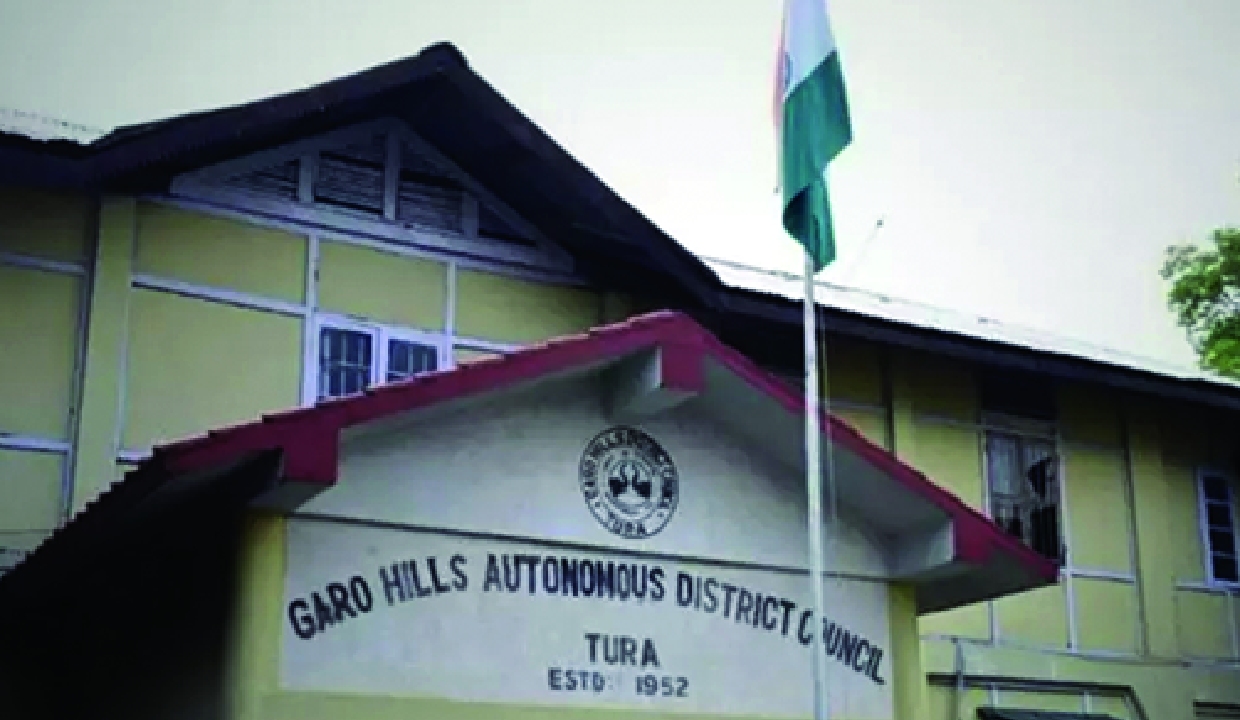
The Garo Hills Autonomous District Council in western Meghalaya on Monday approved amendments to its election rules that will bar non-tribals from voting or contesting council elections, while paving the way for a separate electoral roll for the Sixth Schedule body, officials said.
The amendments to Rules 128 and 129 were approved by the council to establish a separate electoral roll specifically for GHADC elections, replacing the practice of using the electoral roll prepared for Assembly elections.
The GHADC, established in 1952 under the Sixth Schedule of the Constitution, had for decades conducted its elections using the electoral roll prepared for Assembly polls, allowing members of different communities to participate in the council’s electoral process.
The amendments followed violent incidents in the Garo Hills region earlier this year after the authorities issued a notification seeking to bar non-tribals from contesting the GHADC elections, in a departure from the practice that continued for over seven decades.
The Meghalaya High Court later cancelled the notification, while the state Government postponed the elections, scheduled for April 10, in view of the violence that claimed two lives.
Under the amended rules, only persons belonging to Scheduled Tribes recognised by the Meghalaya Government and fulfilling other prescribed conditions will be eligible to be included in the GHADC electoral roll.
“The amendment marks a significant step in protecting the rights and interests of the tribal people of Garo Hills. With a separate electoral roll, non-tribals will no longer be able to participate in GHADC elections either as voters or candidates,” said Chief Executive Member of the council, M Dhormonath Ch Sangma.
The move fulfils a long-standing demand in Garo Hills for a separate electoral roll for the autonomous council, with supporters arguing that the electoral process of a Sixth Schedule institution should provide greater protection to the interests of tribal communities and enable them to exercise greater control over their own affairs.
The amendment also follows a change approved by the council in March this year, which introduced Scheduled Tribe status as an eligibility criterion for contesting GHADC elections.
The latest amendment, therefore, represents a major departure from the electoral practice followed since the creation of the GHADC and is expected to reshape the composition of its electorate.
The move also comes in line with the commitment made by Meghalaya Chief Minister Conrad K Sangma to address the issue of a separate electoral roll for the GHADC.
The amendment was passed in the council’s House, although Rimpu Marak, the member of the district council (MDC) from Tura, was absent when it was taken up and approved.
Tura is the headquarters of West Garo Hills district.