Maruti Suzuki to raise women’s intake to 30% at institute
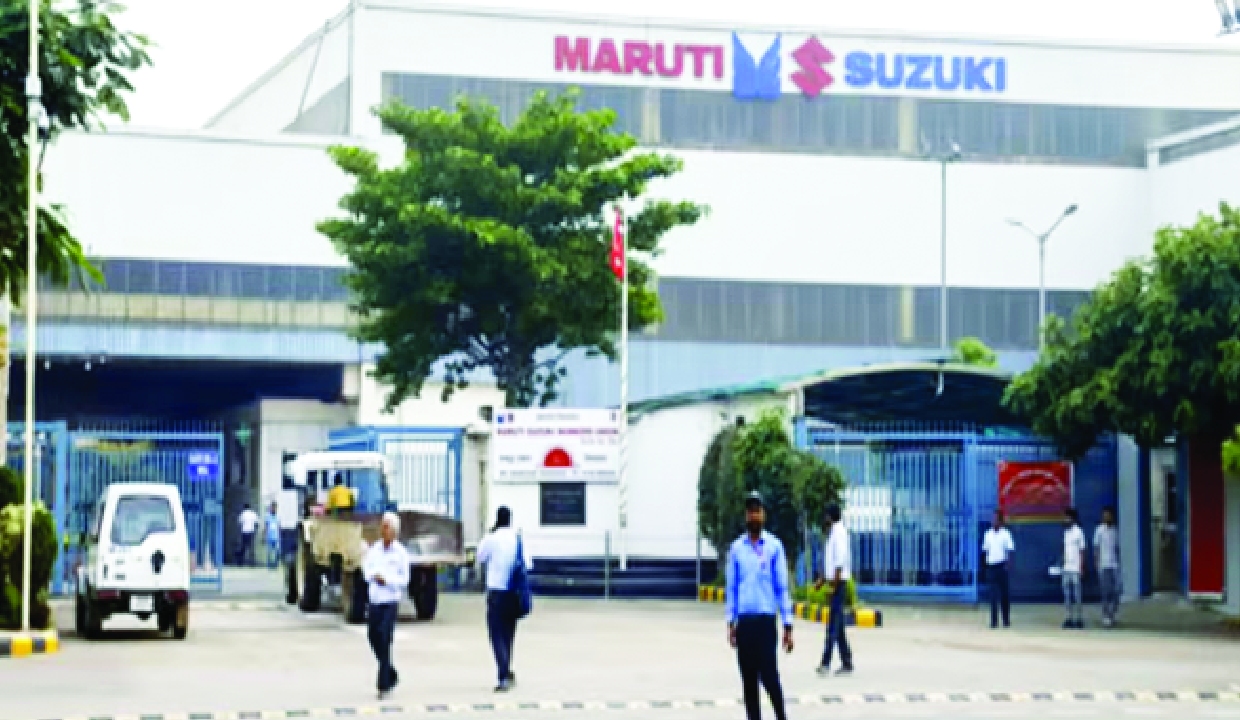
Maruti Suzuki India Limited on Monday said it aims to raise female enrolment at its Japan-India Institute for Manufacturing (JIM) at Uncha Majra, Manesar, from about 5 per cent in the current academic year to 30 per cent by 2028-29.
The carmaker has introduced a 100 per cent tuition fee waiver for women students from this academic year and plans to build a dedicated women’s hostel at the campus, it said in a statement.
The Manesar institute is one of four JIMs operated by the company, the others are at Mehsana and Gandhinagar in Gujarat and Sonipat in Haryana. The JIM programme is a joint initiative of the governments of India and Japan, set up to create a pool of skilled workers for the Indian manufacturing sector.
JIM Uncha Majra offers training in nine trades, most linked to the automotive industry. The institute is inducting female students in line with job opportunities in the surrounding industrial region, the company said, adding that the 30 per cent target follows enrolment growth over the past two academic years.
Two women students from the institute were state toppers in manufacturing trades in Haryana this year. The institute produced top rankers in four trades overall, and its students secured all three top positions in two of those trades.
“To have a 360° completeness of skills, diversity is important. With this vision, we are committed to increasing women’s participation in manufacturing,” said Rahul Bharti, Senior Executive Officer, Corporate Affairs, Maruti Suzuki India Limited.
“While talented women are present across the country, many remain unaware of the opportunities available in the manufacturing sector or have not considered it as a career choice,” he said. “We are encouraged that two female students from JIM Uncha Majra emerged as Haryana state toppers in manufacturing trades this year, demonstrating the immense potential of women in this field.”
Bharti said the company was adopting a broader approach to enrolment that went beyond fees. This includes the women’s hostel and increasing the representation of women across faculty and support functions, he said.
“We believe this initiative will encourage more young women to pursue careers in manufacturing and participate in the growth of India’s industrial workforce,” he added.
Women remain under-represented in shop-floor roles across the Indian automotive industry, and skilling institutes attached to manufacturers are among the main entry routes into such jobs.