Maharashtra churches ask worshippers to sign consent forms amid anti-conversion law
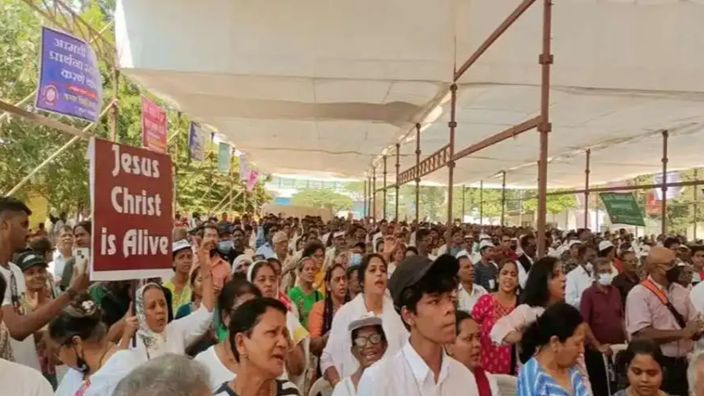
Churches across the Mumbai Metropolitan Region have begun collecting self-declarations from worshippers stating that they attend prayer services voluntarily, as the new Maharashtra anti-conversion law comes into force.
The forms are being kept at church offices as a precaution and could be produced before police or government authorities if required, pastors and community representatives said. The practice has reportedly been followed in some churches for the past two to three months.
Pastor Sam Mathai of Vasai in Palghar district said some churches were collecting declarations from non-Christians attending services, while others were asking even regular worshippers to sign them.
He said the move followed concerns over alleged disruptions and attacks at churches in parts of the Mumbai region, including Vasai-Virar, Palghar, Nalasopara and Bhayander. Mathai claimed there had been 11 such incidents in the past six months, alleging that right-wing groups had entered churches and assaulted people.
The Maharashtra Freedom of Religion Act, 2026, received Presidential assent and was notified in the official gazette on July 30. It provides for action against conversions allegedly carried out through coercion, fraud, inducement or marriage.
Under the law, anyone intending to convert to another religion has to inform the district magistrate at least 60 days in advance, while violations of the prescribed procedures can attract a jail term of up to seven years.
Pastor Devdan Tribhuvan of Bhandup said churches maintain records of regular worshippers and are now seeking declarations to establish that people attend services of their own choice.
He alleged that prayer services had been disrupted in the past by people questioning worshippers over alleged conversions.
Bombay Catholic Sabha spokesperson Dolphy D'Souza said the community was concerned that accusations of forced conversion could lead to further disruptions and violence.
He said churches remained open to people of all faiths and that many visited them for prayer, peace and meditation.
"The idea of a consent form or self-declaration is to protect the interest of the community and the church," D'Souza said, stressing that the community wanted police to ensure safety and enforce the law equally.
Mathai said there were more than 4,000 churches in the MMR and maintained that worshippers were never forced to attend prayer services. The forms, he said, were being used as a measure of "self-safety" amid concerns following the implementation of the new law.