Explained: How the Telangana Government’s H-CITI project threatens the KBR park in Hyderabad
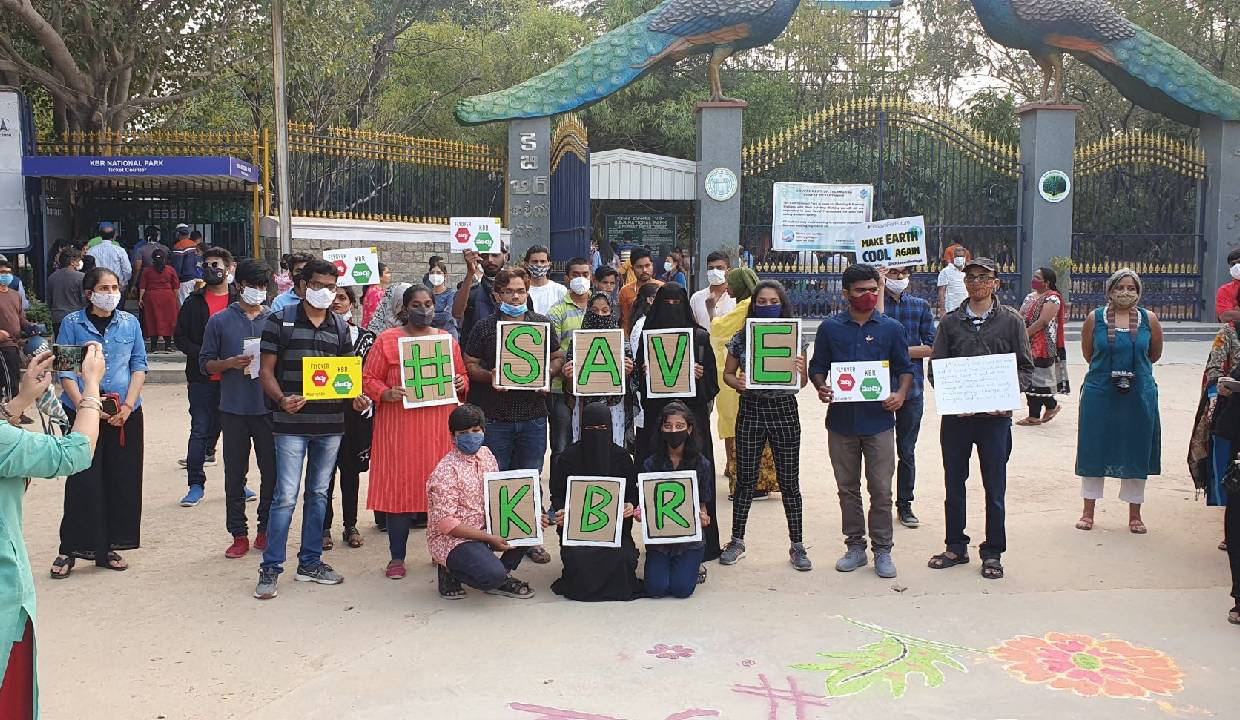
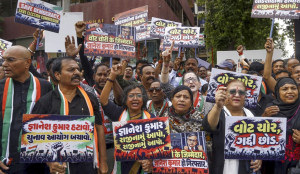
Earlier in May, citizens of Hyderabad showed up at the Kasu Brahmananda Reddy (KBR) National Park to protest against the Telangana Government's decision to build a flyover over the Eco-Sensitive Zone of the park. The government had planned 4 flyovers between 10 and 14 meters high that would have cut across the park.
The flyovers were designed as part of the Congress-led Telangana government’s Hyderabad City Innovative and Transformative Infrastructure (H-CITI) project. The project was earmarked Rs 2,654 crore this year in the state budget and involves the development of seven flyovers and seven underpasses around KBR National Park. The government hopes that the project will reduce traffic and help develop signal-less junctions in seven places. Similar infrastructure plans by the former TRS-led state government for KBR Park through the Strategic Road Development Plan (SRDP) had also met stiff resistance from the public.
Both locals and environmental activists have protested over the tree felling and the impact the project is expected to have on the green area around the park over the last decade.
The dispute is linked to another old question of what should be the size of the Eco-Sensitive Zone surrounding the KBR Park.
Why are people protesting?
In May this year, the protests erupted following the restarting of the construction work under the H-CITI project near KBR National Park due to concerns over tree felling and the impact of the project on the greenery of the park.
On April 26, 2026, people living near the park, along with various environmental activists, assembled near the park to protest against the development works under the H-CITI project. The protesters have been demanding that the government put an end to the ongoing projects and listen to their environmental concerns.
Following that, on May 7, environmental activists and representatives of NGOs protested against the tree cutting for flyovers and underpasses at Indo-American Cancer Hospital. They demanded that GHMC cancel the project, conduct a public hearing, and hold an environmental impact assessment before continuing the project. Some protesters also wanted the government to spend money on public transportation rather than flyovers and underpasses.
Their concerns are not only limited to the number of trees being cut but also the need for a transparent public hearing and environmental impact assessment before further infrastructure development.
On May 18 this year, the Supreme Court stopped the tree felling within the eco-sensitive zone based on a petition filed by Kaajal Maheshwari.
The flyover works are still in progress at several places across Hyderabad, but for now have stalled in and around the KBR Park. The project is expected to be completed by December 2028.
This is not a new dispute
Since 2015, citizen movements in Hyderabad had been against GHMC and other government agencies' plans for multi-level flyovers near KBR Park, including at Jubilee Hills Check Post. The government hopes the new flyovers will decongest traffic.
The same year, the then Telangana State Government approved the development of 20 multi-level flyovers and junctions under its Strategic Road Development Plan. A number of them were to be built around KBR Park, including at KBR Park Entrance, Maharaja Agrasen Junction, Cancer Hospital Junction, Film Nagar, Road No. 45, and Jubilee Hills Check Post.
The plan soon faced opposition because the road works would affect the area around the park. The KBR walkway would shrink by more than half under the SRDP, with 13 acres of the 24-acre walkway proposed to be handed over to the GHMC for the road project.
The plan also involved widening and strengthening roads around the park. The worries regarding development around KBR Park have been a consistent theme in subsequent legal and environmental disputes. The earlier SRDP plans have since been replaced by the H-CITI project around KBR Park. However, the problems that irk the public got carried over.
Eco-sensitive zone – what is it and why does it matter?
An eco-sensitive zone is a regulated area around a protected area such as a national park. The aim is to control activities around a protected area that could adversely affect its environment. The dispute around KBR Park involves an argument about the size of such an eco-sensitive zone around the protected area.
This is where two numbers, 25 to 35 metres and 3 to 29.8 metres, become important.
The dispute over KBR Park is also about the size of its eco-sensitive zone, which serves as the buffer around a protected area where activities that could affect the environment are regulated.
According to the petition before the Supreme Court, the original proposal from 2012 to 2015 envisaged a 25–35-metre ESZ around KBR Park, including the green belt developed by the Hyderabad Metropolitan Development Authority.
The buffer was subsequently reduced over time. Final notification of the Ministry of Environment, Forest and Climate Change, dated October 27, 2020, fixed ESZ widths from 3 metres to 29.8 metres along the boundary of the park.
Buffer reduction is now being challenged in the Supreme Court. The petitioners have questioned the 2020 order that reduced the earlier buffer. In an interim order passed by the Supreme Court on May 18, 2026, it was directed that no trees be cut within a 25 to 35-metre area around KBR Park until further order.
Environmental activists supported the interim decision of the Supreme Court. At the same time, they believed the 25-35-meter buffer would be insufficient and referred to earlier Supreme Court observations on a 1 kilometre ESZ around protected areas.
KBR and other environmental protests in Telangana
The KBR protests can be seen as part of a broader wave of environmental protests in Telangana. In 2025, students and environmental activists protested against proposed development on the land at Kancha Gachibowli, near the University of Hyderabad, raising concerns regarding the trees, wildlife, and biodiversity.
These two events, though different from each other, pose the same question of how the balance of urbanisation and environmental conservation gets shaped in Telangana.