Kashmir woman denied bail over 2019 Pulwama bombing that killed 40 troops
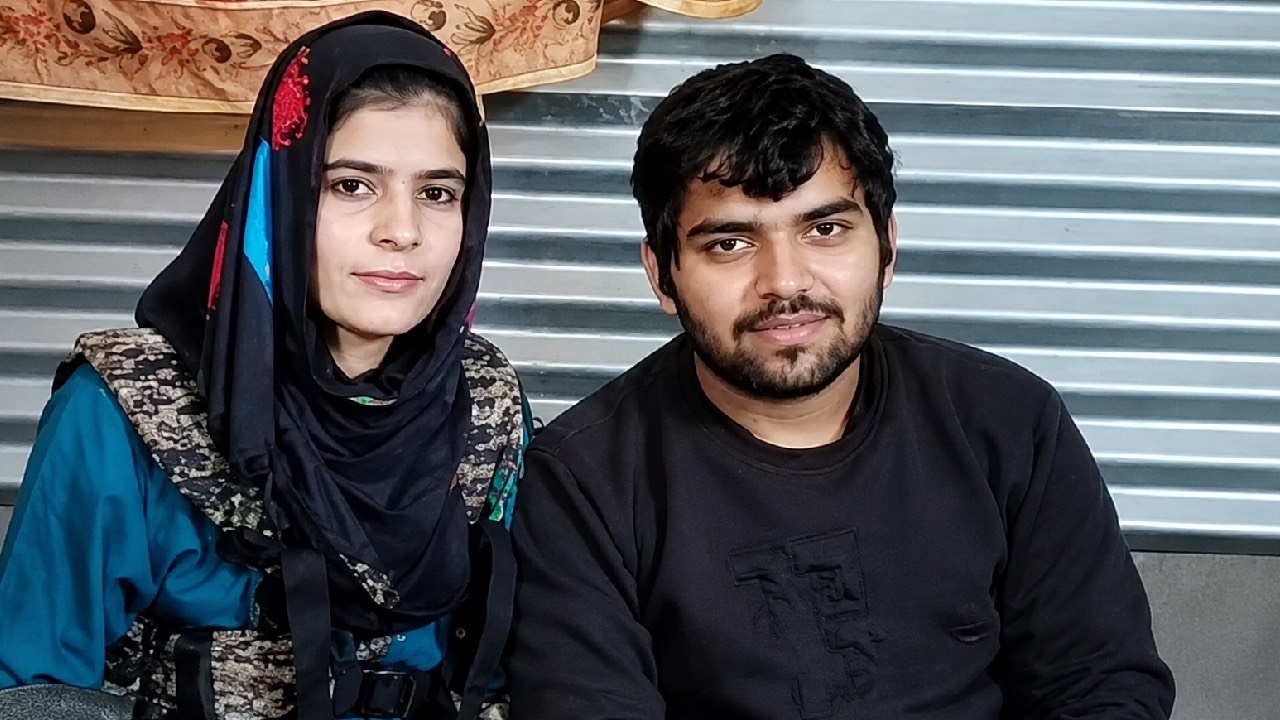
A special court has refused bail to a woman accused of sheltering the militants behind the 2019 Pulwama suicide bombing that killed 40 paramilitary personnel, ruling there was enough evidence to presume the case against her was true.
Special Judge Prem Sagar rejected the plea by Insha Jan, also known as Insha Tariq, in a 15-page order issued on 20 August finding that strict bail restrictions under India's anti-terrorism law also barred her release at this stage.
Jan, from Harkipora village in Pulwama district, south Kashmir, was arrested with her father, Peer Tariq Ahmad Shah, on 3 March 2020. She faces charges under the region's penal code, the Unlawful Activities (Prevention) Act, the Arms Act and the Explosive Substances Act, with charges formally framed in December 2022.
According to the National Investigation Agency's chargesheet, Jan stayed in regular contact with Pakistani militant Muhammad Umar Farooq, one of the alleged planners of the attack, and gave food, shelter and logistical support to him and other Jaish-e-Mohammed operatives. Farooq and a second Pakistani militant involved in planning the attack, Mohd Kamran Ali, were later killed in separate gun battles with security forces.
Investigators also allege that a video of suicide bomber Adil Ahmad Dar, released after the 14 February 2019 attack, was recorded at Jan's house days earlier, on 28 and 29 January.
The defence argued Jan had spent more than six years in custody amid a slow-moving trial, with only 49 of 240 prosecution witnesses examined so far, and said no incriminating material had been recovered from her. Lawyers also cited her health, saying she suffered from chronic skin problems, cervical spondylosis and headaches requiring specialist treatment.
The NIA opposed bail, calling Jan "a highly motivated terror associate" and warning she could influence witnesses if freed. It said she and her family were introduced to the militants by a neighbour in May 2018, after which the group began visiting her home regularly with weapons, staying for extended periods in January 2019 shortly before the bombing. The agency also cited WhatsApp calls, voice notes and photographs recovered from Farooq's phone after his death.
The judge held that the evidence met the threshold required under Section 43-D(5) of the anti-terrorism law to deny bail, rejected the trial delay as sufficient grounds for release, and found Jan's medical condition was not life-threatening — though he directed jail authorities to provide her proper medical care.
The court noted its ruling on bail would not affect the outcome of the main trial.