Kanishka: Four decades later, justice still waits
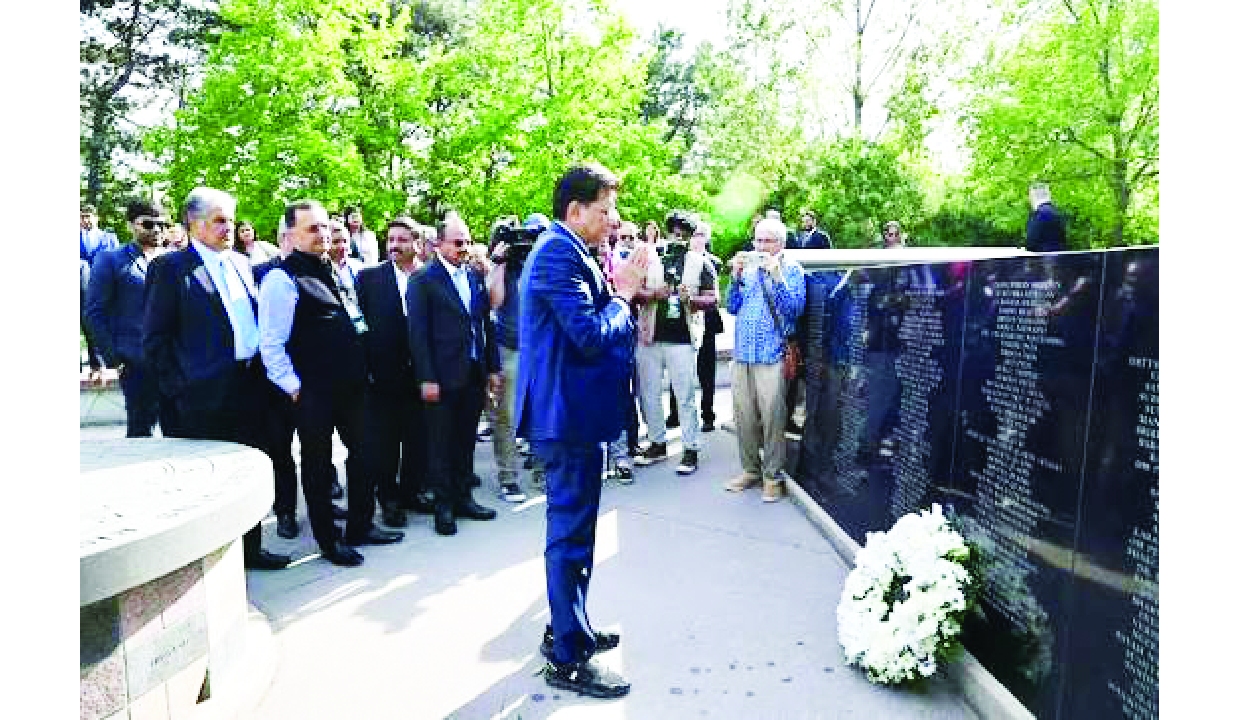
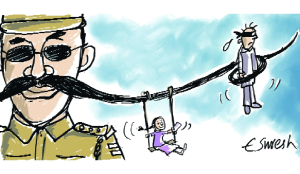
Forty-one years after Air India Flight 182 was blown out of the sky, killing all 329 people aboard, Canada appears ready to scale back the investigation into one of the deadliest terrorist attacks in its history. For the families who have carried the loss for four decades, the message that there are ‘no fresh leads’ is not closure. It is another wound.
Some wounds refuse to close. The bombing of Air India Flight 182, the Kanishka, is one, and this month it was torn open again. At a meeting near Toronto on 12 September, the RCMP told roughly 40 relatives that it has no fresh leads and plans to reduce its Air India team to administrative staff only.
I was 17 when that bomb took my entire family. I know exactly what "no leads" costs.
Two bombs, one plot
On 23 June 1985, a suitcase bomb exploded at Tokyo’s Narita airport, killing two baggage handlers. Fifty-four minutes later, a second bomb destroyed Flight 182 over the Atlantic, off the Irish coast. All 329 people aboard died, including 82 children under 13. Until 9/11, it was history’s deadliest aviation bombing. It remains the worst mass murder in Canadian history.
Relatives flew to Cork to claim the dead. I spent 25 days in a makeshift morgue there, searching through remains for my own family. Every anniversary since has reopened that room.
A record of failure
For a decade, nothing moved. In 1995, a $1 million reward was announced, but fear inside the community was so deep that almost nobody came forward. Charges arrived only in 2000, fifteen years after the bombing. The trial that followed cost nearly $130 million and ended in 2005 with both accused acquitted. Witnesses recanted, went silent or were threatened. Several testified only as Ms. D or Ms. E, which says much about faith in witness protection. Tara Singh Hayer, who had given police a statement, was shot dead in 1998 despite promises of protection. Nobody has been tried for his murder.
Justice John Major’s public inquiry let daylight in. It exposed surveillance tapes erased by CSIS, watchers who trailed Talwinder Singh Parmar’s circle into the woods near Duncan as they tested a device, ignored warnings, and two agencies guarding turf instead of preventing a massacre. It also exposed how the state treated the bereaved. Families of Indian nationality were overlooked, and Canadians of Indian origin were offered far less than others. Justice Major told me this week that Canada treated the bombing as an "Indian problem" rather than a Canadian tragedy. He was right then and the RCMP is proving it again now.
On 23 June this year, the 41st anniversary, CSIS publicly acknowledged that Canada-based Khalistani extremists carried out the bombing. Less than three months later, the RCMP tells us there is nothing left to pursue. Which agency are we supposed to believe?
Worse, police suggested that if families could bring them new leads, they might look at them. A national police force asking the bereaved to do its detective work, in the country’s deadliest terrorist attack. The RCMP also said it is talking to New Delhi about returning the wreckage and victims' personal effects, the language of a file being closed.
This week I spoke with veterans of the original RCMP investigation, with CSIS alumni, with Justice Major and with Bob Rae. None could believe this was under way.
Where the leads are
Leads exist for anyone willing to look. Investigators drew up a list of persons of interest, and many were never properly questioned. When I asked about them, I was told the investigation is "ongoing."
Inderjit Singh Reyat, the only man ever convicted, has been free since 2016 and has never told what he knows.
Others in the plotters' outer circle have kept silent for four decades. Where is the national appeal for them to speak, endorsed by Prime Minister Mark Carney? Where is immunity for anyone who was merely a bystander? Where is the trial for Hayer’s killers?
The reward has not moved since 1995. Reissue it, raise it, and put the government’s full weight behind it. Ripudaman Singh Malik, acquitted in the bombing, was murdered in 2022, and two men later pleaded guilty. This March, Nancy Grewal, an outspoken critic of violent extremism who had spoken of death threats, was fatally stabbed in Ontario. Speaking out remains dangerous.
The world does not stop looking
Nazi hunters tracked Klaus Barbie down 38 years after the war and Franz Stangl 22 years after it. The Golden State Killer was caught more than four decades after his crimes. Almost 38 years after Lockerbie, a US court is still preparing to try the accused bomb-maker. As we approach the 25th anniversary of 9/11, imagine the reaction had Washington said it was out of ideas about al-Qaeda.
What Canada owes us
In his Ottawa office, Prime Minister Stephen Harper promised me and other families that Canada would pursue this case to its conclusion and treat every victim equally. The Canadian Victims Bill of Rights and Justice Major’s recommendations back us. Yet nobody has approached the other families who had standing at the inquiry.
Our demands are simple. Keep investigators on the file. If the current team is spent, bring in fresh ones or an independent review. Reissue and enlarge the reward. Speak to every family. We have written to Prime Minister Carney, to Prime Minister Modi, to the foreign ministers, to British Columbia’s Attorney General and to the RCMP Commissioner.
Canada cannot walk away from the 331 people it lost, or from families who have waited a lifetime. We will not accept it.
On 23 June this year, the 41st anniversary, CSIS publicly acknowledged that Canada-based Khalistani extremists carried out the bombing. Less than three months later, the RCMP tells us there is nothing left to pursue. Which agency are we supposed to believe?
Sanjay Lazar is an Air India 182 Kanishka Victim family member, and the Chairman of the Kanishka foundation & GS of the AICCA. He is an aviation analyst, lawyer & best-selling author who writes on aviation, International relations, leadership and law; Views presented are personal.