JNU dismisses Congress MP in sexual harassment case
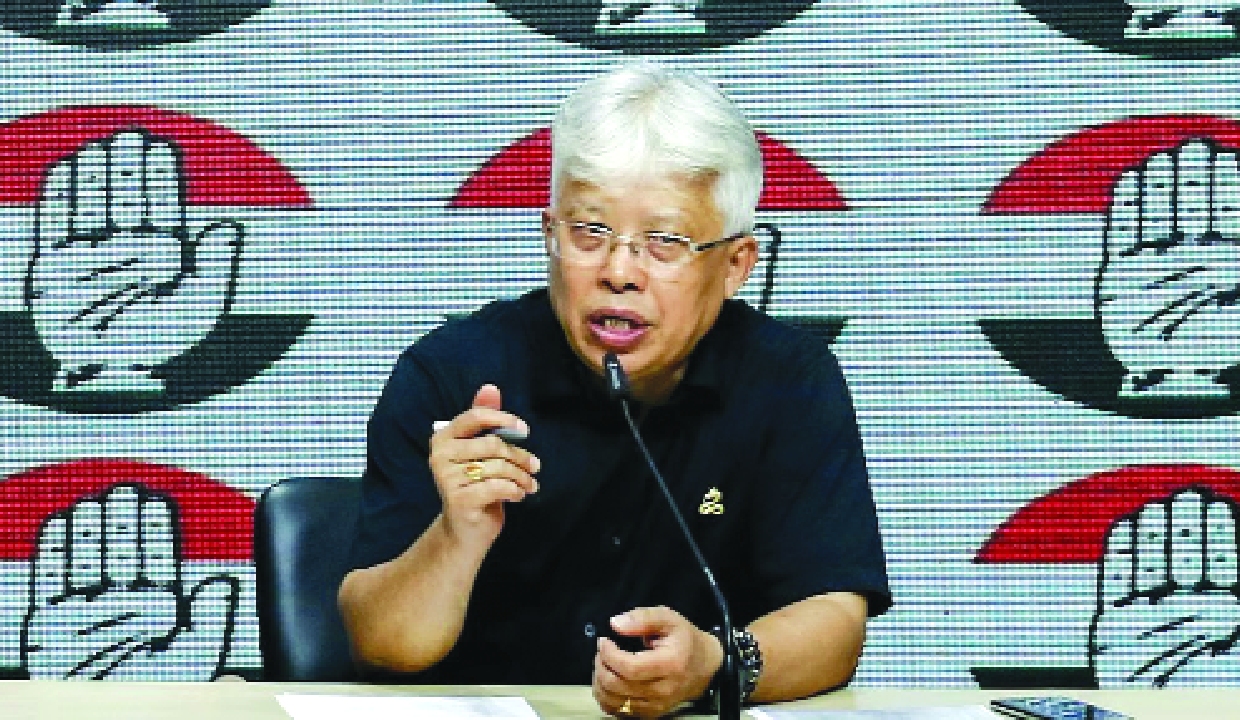
Jawaharlal Nehru University (JNU) on Friday dismissed Professor Angomcha Bimol Akoijam, a Congress member of the Lok Sabha from Inner Manipur who taught at the Centre for the Study of Social Systems, with immediate effect after its Internal Committee (IC) inquired into sexual harassment complaints by women students.
Bimol Akoijam, a Meitei public intellectual and filmmaker, won the Inner Manipur seat in 2024 by 1,09,801 votes. At JNU, he taught social and political psychology, identity, conflict, and gender relations.
Vice-Chancellor Santishree D Pandit signed the dismissal order. It states that after looking into allegations of sexual harassment, the committee recommended a major penalty under the UGC service rules, specifically Rule 11(ix) of the Central Civil Services (Classification, Control and Appeal) Rules.
The order says, “Upon following the due process and considering all available facts and as per the report of the IC, the punishment of dismissal from the services of the University is hereby imposed on Prof Angomcha Bimol Akoijam with immediate effect.”
The university sent the order to his address at House No. 1337, Type-V, Poorvanchal Complex Old, on the JNU campus. Women students reportedly filed complaints on May 18. The issue surfaced when one student described an alleged incident during a viva exam in a student-only messaging group, prompting others to share similar stories.
People familiar with the complaints say they involve sexually suggestive remarks in classes and vivas, inappropriate advances at gatherings at the professor’s on-campus home, requests for students to visit his official residence, and, in at least one case, an offer of higher marks in exchange for sexual favours. The university’s public order does not mention these details.
The committee’s findings state that the panel found the allegations of inappropriate personal questions, sexually suggestive interactions, unwelcome physical contact, showing sexually explicit material without warning, unnecessary physical closeness, and irregular conduct during vivas were proven.
The panel concluded that accounts from complainants, independent witnesses, witnesses for the professor, and the professor’s own statements “substantially corroborate the allegations.” They also noted a repeated pattern of behaviour that did not fit the proper boundaries of a teacher-student relationship.
The findings mention questions in academic settings about dating history, Valentine’s Day plans, boyfriends, and whether someone the professor’s age might be interested in a student. They also describe the use of the word “quickie,” explained with sexual meaning and gestures, requests for female students to hold his hand, pinching even when students hesitated, and showing the film Lust Stories in class without enough warning about its content.
Accounts also mention sexist jokes and negative remarks about regional groups. The committee found that this behaviour created an intimidating, offensive, and hostile learning environment with no academic justification. The inquiry lasted longer than the usual 90 days, with the summer vacation from May 27 to July 3 given as the reason for the delay. The committee gave its report to the vice-chancellor on Friday afternoon.
According to official sources, the panel was divided on the penalty: the presiding officer and some members supported a major penalty. Meanwhile, student representatives did not sign and wanted a lighter punishment. After consulting lawyers, the panel submitted the report with dissenting opinions.
According to the service rules, dismissal is a major penalty and usually means the person cannot work in government jobs in the future, while removal does not have this effect. Last month, the Akhil Bharatiya Vidyarthi Parishad (ABVP) protested on campus, saying 11 women students had complained months earlier and calling for a prompt inquiry free from political interference.
In September, the Delhi Commission for Women also asked JNU for a report after a video surfaced in which students described their complaint.
Akoijam has denied the allegations. In September, he told reporters in Manipur that the published accounts were “unverified, intentional, unethical and illegal.” He objected to what he called a media trial and said the truth would come out in court.