Iran President likely to attend BRICS Summit in Delhi
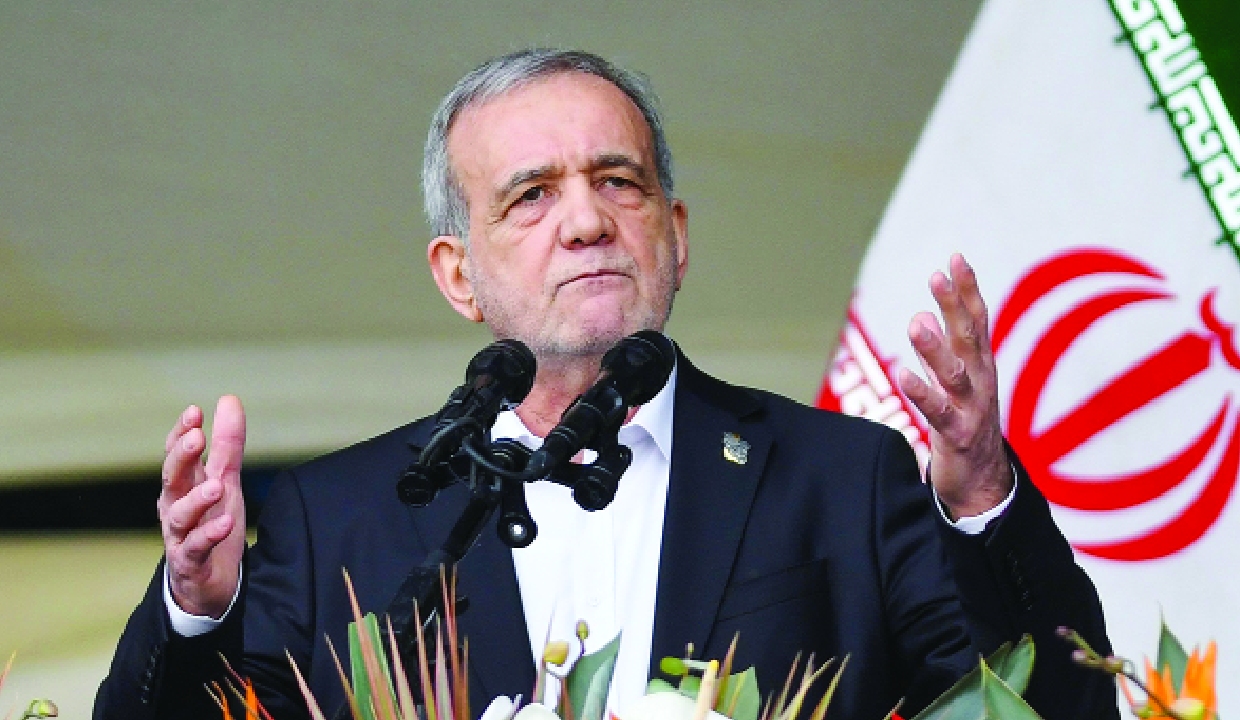
Iranian President’s proposed India visit comes amid heightened regional tensions and Tehran’s call for a greater diplomatic role for New Delhi. Iranian President Masoud Pezeshkian is scheduled to visit New Delhi in September to attend the 18th BRICS Summit, according to Iranian sources, bringing Tehran’s leadership to India at a time of heightened tensions in West Asia.
The BRICS summit is scheduled to be held in New Delhi on September 12-13 under India’s 2026 chairmanship. The meeting is expected to bring together leaders of the expanded grouping against the backdrop of growing geopolitical and economic uncertainty.
Pezeshkian’s proposed visit is likely to add a significant geopolitical dimension to the summit and provide an opportunity for India and Iran to discuss bilateral ties, regional security, connectivity, trade and energy.
India’s BRICS presidency is being guided by the theme “Building for Resilience, Innovation, Cooperation and Sustainability.” New Delhi is also seeking to use its chairmanship to promote dialogue and cooperation among countries with differing positions on major international issues. The Iranian president’s visit would come amid intensified diplomatic engagement between New Delhi and Tehran.
Iranian Foreign Minister Abbas Araghchi was in New Delhi in May for the BRICS Foreign Ministers’ Meeting, where he held discussions with External Affairs Minister S Jaishankar. The Strait of Hormuz and the wider regional crisis were among the key issues surrounding his visit. Tehran has sought to emphasise diplomacy while maintaining its position on the ongoing confrontation involving Iran, the United States and Israel. Araghchi has said Iran is prepared to engage diplomatically under the right circumstances, while also stressing Tehran’s concerns over the security arrangements surrounding the Strait of Hormuz.
Pezeshkian’s presence in New Delhi could consequently provide an important opportunity for direct discussions between the Iranian leadership and the Indian government on the rapidly evolving regional situation.
Prime Minister Narendra Modi and Pezeshkian last met on the sidelines of the BRICS Summit in Kazan, Russia, in October 2024. During that meeting, the two leaders reviewed bilateral relations and discussed regional developments, including the situation in West Asia. Modi also stressed the importance of de-escalation and diplomacy.
The two sides could use their next meeting to review cooperation in connectivity, trade, energy and regional security.
The Chabahar port project remains an important element of the India-Iran relationship. India views the Iranian port as a strategic connectivity link providing access towards Afghanistan and Central Asia and as an important component of its broader regional connectivity strategy. During their 2024 meeting, Modi and Pezeshkian underlined the importance of the long-term contract relating to Chabahar and its potential to strengthen trade and economic linkages with Central Asia.
Iran’s role within BRICS has also acquired greater significance since Tehran became a full member of the grouping in 2024. Iran joined Egypt, Ethiopia and the United Arab Emirates in the expansion that year, while Indonesia became a member in 2025. Iran is among the countries participating in BRICS activities under India’s current chairmanship.
Pezeshkian’s participation in the Delhi summit would underline Tehran’s growing engagement with the expanded grouping and its efforts to strengthen ties with major emerging economies.
The waterway is a crucial artery for global energy supplies, making developments around it particularly significant for India, which relies heavily on imported energy. The security situation around the strait has remained highly sensitive amid the confrontation involving Iran, the United States and Israel.
Iran has said it remains committed to facilitating safe passage for commercial shipping under conditions acceptable to Tehran. At the same time, Iranian officials have insisted that the arrangements governing the waterway cannot simply return to the pre-conflict status quo.
In recent weeks, Tehran has also linked the reopening of the waterway to wider diplomatic and security conditions, while talks involving Oman have focused on possible arrangements for shipping lanes and regional de-escalation. For New Delhi, stability in the Gulf and uninterrupted commercial and energy flows remain major strategic interests.
Pezeshkian’s planned visit comes at a time when India is seeking to maintain working relationships with multiple sides in a deeply divided geopolitical landscape. New Delhi has traditionally maintained engagement with Iran while simultaneously developing close ties with Israel, the Gulf countries, Russia and the United States. The approach has allowed India to preserve diplomatic channels across competing geopolitical camps.
The September BRICS Summit could therefore provide a broader platform for discussions on regional stability, energy security, connectivity and the role of diplomacy in resolving international disputes.
Pezeshkian’s attendance is expected to make the India-Iran engagement one of the closely watched interactions surrounding the summit.
As India prepares to host the 18th BRICS Summit, the Iranian president’s visit could thus assume significance beyond bilateral relations, offering New Delhi another opportunity to pursue dialogue and de-escalation amid continuing instability in West Asia.