Instagram chief defends Meta youth safety record in US court amid addiction claims
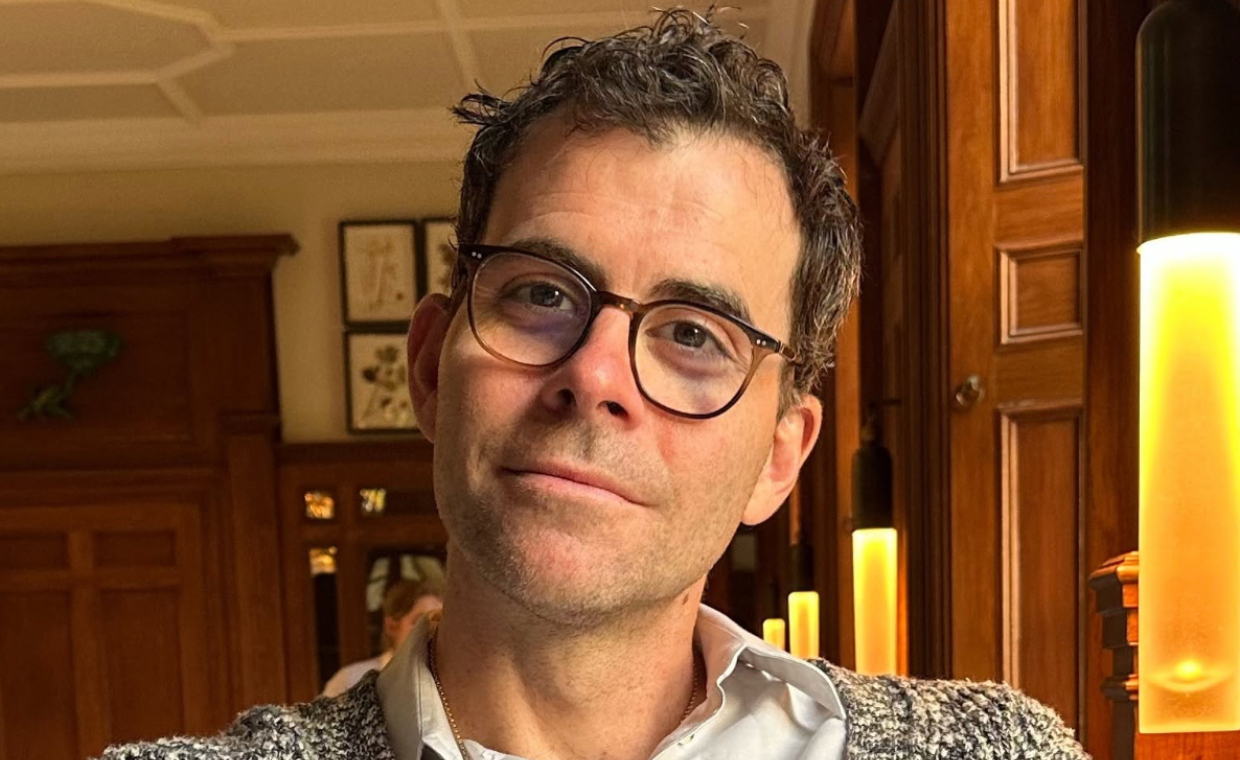
Instagram chief Adam Mosseri defended Meta’s record on youth safety in court on Tuesday, pushing back against questions over the limited use of a feature designed to encourage teenagers to take breaks from the platform.
Mosseri was testifying in a federal trial in Oakland, California, where California, Colorado, Kentucky and New Jersey have accused Meta of deliberately designing Instagram and other products in ways that encourage addictive use among children and contribute to the youth mental health crisis.
During questioning, Jason Slothouber, a senior prosecutor with the Colorado Attorney General’s Office, focused on Instagram’s “Take a Break” feature, which prompts users to step away after prolonged scrolling.
The feature initially had very low adoption among teenagers. Meta made it a default setting for users on its separate teen accounts after introducing those accounts in 2024.
Mosseri appeared frustrated by the focus on the single feature, saying Meta has introduced and continued to improve numerous tools aimed at safety and wellbeing.
“There are many features we launch over many aspects of safety and well-being,” Mosseri said, arguing that the company’s approach should be assessed more broadly.
Mosseri, who has headed Instagram since 2018, testified for about an hour and is expected to return to the witness stand on Wednesday.
The jury has also heard testimony from former Meta data scientist George Volichenko, who worked at the company from 2016 to 2018 and again from 2022 to 2023.
During his second stint, Volichenko worked with Instagram’s mental wellbeing team. He told the court that he was given the impression that the team’s primary purpose was to protect Meta from potential lawsuits.
Volichenko said his experience at the company reinforced that perception and that he believed the team had limited influence over product decisions.
He also testified about discussions surrounding the “Take a Break” feature. According to Volichenko, his team recommended that the feature be automatically activated for younger teenagers.
Such an opt-out system would mean teenagers would have to actively disable the feature, rather than having to turn it on themselves.
The proposal was rejected, he said.
Volichenko attributed the decision to concerns about Meta’s core engagement metrics, including how long and how frequently users remain on its platforms.
“The tradeoff to core metrics was not desirable,” he told the court.
Volichenko eventually left Meta for a second time, saying he did not feel the company’s broader approach was aligned with his values.
Earlier testimony in the trial also highlighted internal Meta discussions about regulatory compliance.
Francesco Fogu, Instagram’s director of product design, faced questioning over internal chats and documents presented to jurors. One document stated that Meta sometimes chose not to comply with regulations and instead accept a fine, while in other cases it complied only to the minimum extent required.
Fogu repeatedly said he could not remember whether he had written the passage. After repeated questioning, Judge Yvonne Gonzalez Rogers intervened, telling the prosecutor, “We get the point.”
The trial, which began last week, is expected to continue for around six weeks.
The four states are among 29 that sued Meta in 2023, alleging that the company knowingly designed its platforms to keep children engaged while failing to adequately protect them from harmful effects. The remaining states involved in the broader litigation are expected to proceed to trial later.
Meta also faces separate lawsuits in state courts, including one in Tennessee.
Mosseri previously testified in a Los Angeles state court case involving Meta and YouTube. In that case, a young plaintiff identified as “KGM” alleged that she became addicted to social media as a child.
A jury found Meta and Google liable for harms caused by their platforms and awarded KGM a total of USD 6 million.
The Oakland trial is examining Meta’s internal decisions around Instagram’s design, engagement metrics and measures intended to protect young users.