Indian institutions on QS global rankings rise from 11 to 52 since NIRF launch: Govt
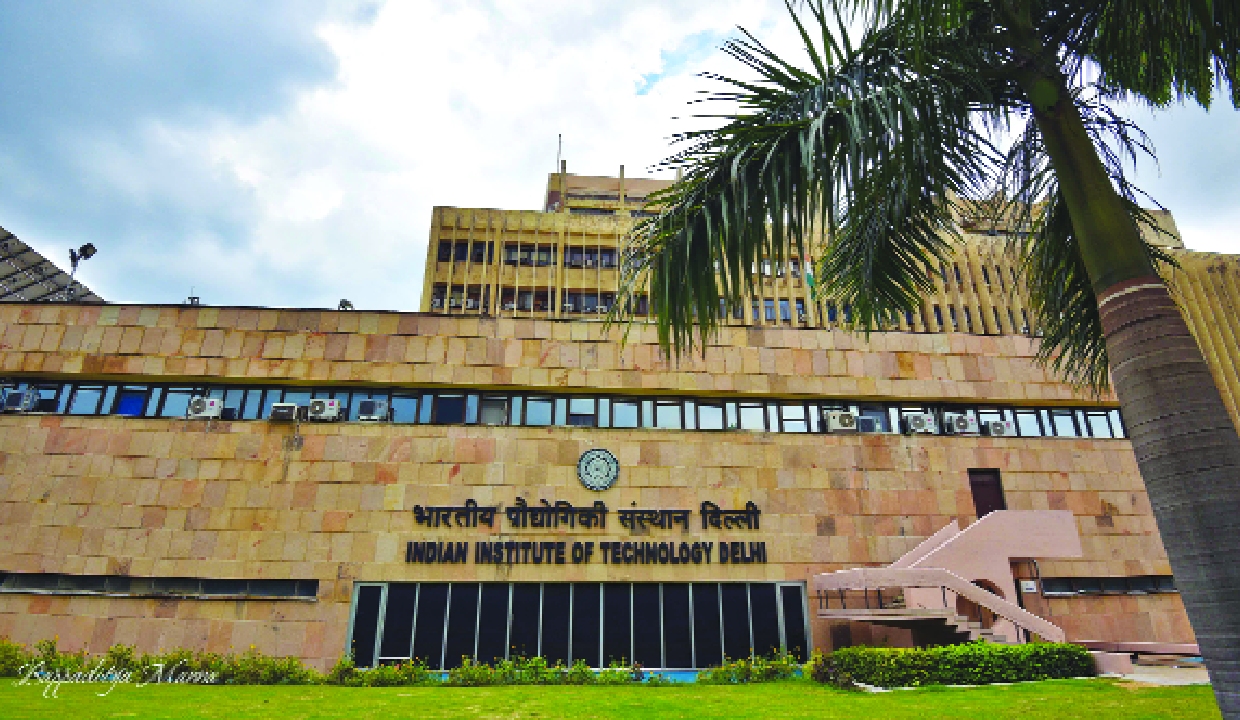
The number of Indian institutions finding place in the QS World University Rankings has increased from 11 in QS WUR 2015 to 52 in QS WUR 2027 since the launch of the National Institutional Ranking Framework (NIRF), the Lok Sabha was informed on Monday.
In a written reply, Minister of State for Education Sukanta Majumdar said the NIRF was launched in 2015 by the Centre for the annual ranking of institutions and universities of higher education in the country — India Rankings — to promote healthy competition among educational institutes and universities.
The methodology of these rankings is based on five broad parameters — teaching, learning and resources, research and professional practices, graduation outcomes, outreach and inclusivity, and peer perception.
The number of applications received under NIRF increased from 6,272 in 2021 to 14,163 in 2025. The number of unique institutions participating in NIRF increased from 4,030 to 7,692 during 2021-2025, the minister said.
“Since the launch of NIRF, there has been increase in the number of institutions appearing in the QS World University Rankings, it has increased from 11 institutions in QS WUR 2015 to 52 in QS WUR 2027,” Majumdar said.
“To improve quality of education, several initiatives have been institutionalised in Centrally Funded Institutions,” he said.
Majumdar added that the Centre also provides financial support to state Governments under Rashtriya Uchchatar Shiksha Abhiyan (RUSA)/Pradhan Mantri Uchchatar Shiksha Abhiyan (PM USHA) scheme under three components — Enhancing Quality and Excellence in select state universities, infrastructure grants to universities and Multi-disciplinary Education and Research Universities (MERU) — for improvement in higher education.
The minister also said World Class Institutions Scheme, also known as Institutions of Eminence (IoE) Scheme was launched in 2017 to create distinct category of institutions with great deal of autonomy in academic, administrative and financial matters so as to enable them to emerge as World Class Academic and Research Institutions in a reasonable time period.
The National Education Policy (NEP) 2020 lays emphasis on improving the overall quality of education in Higher Education Institutions (HEIs) through a set of initiatives that include promotion of multidisciplinary education, nurturing critical thinking and analytical ability, promoting research and innovation, improving the quality of infrastructure, effective and qualitative teacher training etc, the minister said.