Indian cities are becoming unliveable
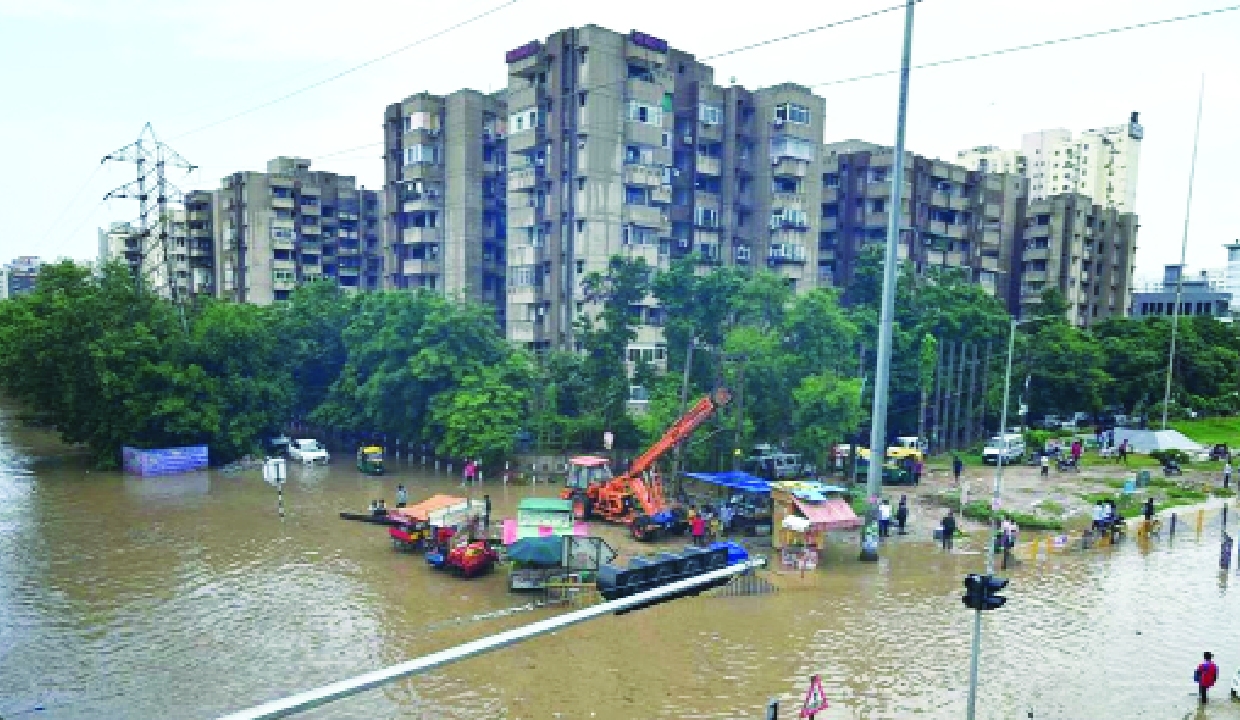
Although the headline above might seem somewhat unrealistic today, the day it becomes a reality may not be far off. To understand this better, let us delve deeper into the matter.
Rapid urbanisation and population growth
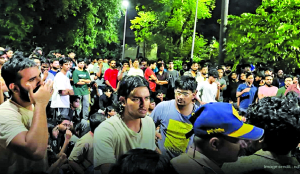
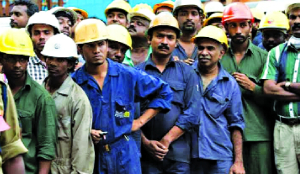
Rural populations have always been lured by the glittering lifestyle of cities. Compounding this attraction is the issue of livelihood, as the tide of development often ebbs away by the time it travels from urban centres to rural areas. A lack of employment opportunities and infrastructure, along with natural disasters such as floods and droughts, drives rural folk towards cities. In addition, no comprehensive census report has been available since 2011 to provide a clear rate of migration from rural to urban areas. In 2020-21, approximately 54 per cent of internal migrants living in urban areas were from rural regions.
India as a whole is also becoming increasingly urban. Between 2001 and 2011, India’s urban population grew 31.8 per cent over the decade, equivalent to roughly 2.8 per cent per year if simply annualised. The 2011 Census, for example, recorded Greater Mumbai’s urban agglomeration at about 18.4 million, Delhi at 16.3 million, Kolkata at 14.1 million, Chennai at 8.7 million, and Bengaluru at 8.5 million.
Traffic, noise, pollution and shrinking open spaces
India’s rapid rise in vehicle ownership is worsening congestion, parking shortages, and air and noise pollution. As a broad national benchmark, the Vahan database shows new vehicle registrations increased 12.2 per cent in 2024 and 8.5 per cent in 2025. Cities such as Delhi, Mumbai, Chennai, Bengaluru, Kolkata and Hyderabad continue to add vehicles rapidly. Pune is currently seeing around 1,300 new vehicles enter its roads every day. Alongside this, haphazard construction work taking place hither and thither is further exacerbating pollution. Excessive dust has become a nightmare for city dwellers.
Major cities including Delhi, Kolkata, Mumbai, Chennai, Bengaluru and Hyderabad are experiencing significant particulate pollution, although the severity varies by city and season. Delhi remains the most severe pollution hotspot, recording an average winter 2024-25 PM2.5 level of 175 µg/m³. Kolkata also faces severe winter pollution, while Mumbai, Chennai, Bengaluru and Hyderabad experience increasing localised pollution from traffic and other emissions. In Mumbai, some locations recorded pollution levels about 60 per cent above the citywide average. A 2026 CPCB-based study found that weather conditions, including low winds and atmospheric stagnation, can alter PM2.5 levels by up to 40 per cent.
The water crisis is emerging as a major urban challenge in India. This issue is no longer confined to drought-prone rural areas; even large cities are increasingly struggling to ensure an uninterrupted water supply for their rapidly growing populations. According to World Bank data, around 600 million people in India face severe water stress; meanwhile, urbanisation and climate change are placing additional strain on water supply systems that are already under pressure.
As the population has grown, the city has expanded horizontally as well. People are forced to live in the suburbs to find affordable housing, resulting in an increased distance between their homes and workplaces. Four to five hours of daily life are spent simply covering this distance, compounded by the ordeal of traffic congestion. Consequently, the quality of life is deteriorating; both body and mind are becoming exhausted. This is taking a severe toll on marital and other relationships, causing people to lose their natural smiles and happiness.
Even where sidewalks exist, they have been taken over by street vendors. Despite occasional eviction drives by the administration, it is nearly impossible to permanently remove these vendors, who rely on this trade to earn a livelihood. If roads are for vehicles and sidewalks are for vendors, then where is the space for pedestrians? Even various playgrounds and parks have fallen into the hands of real estate developers. People have nowhere left for morning or evening walks, and children have no space to play. People are suffering literally from a lack of oxygen.
For decades, urban development has prioritised wider roads, flyovers, parking spaces and faster traffic. Cars and two-wheelers have become central to city planning, while pedestrians, cyclists, children, elderly people and people with disabilities are often treated as an afterthought. The result is a city that may move vehicles efficiently but can be difficult for people to live in.
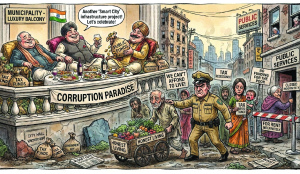
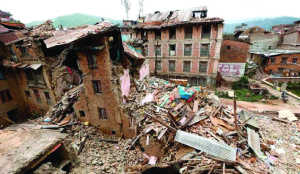
Without urgent action on vehicle growth, public transport, parking and pollution control, urban life could become increasingly congested, unhealthy and unliveable. When urban planning begins with human needs rather than vehicles, cities become safer, healthier, more accessible and more enjoyable places to live. A people-friendly city must have safe and continuous footpaths, proper crossings, shaded walking areas, accessible public spaces and reliable public transport. Cities also need spaces where people can simply exist without having to spend money. Such spaces can make neighbourhoods more vibrant and help build a stronger sense of community. Cities should move people, not merely move traffic. To maintain a rational balance between water demand and supply, the vertical expansion of the city must also be regulated. At the same time, it is crucial to create the necessary infrastructure for employment and business in rural areas. However, permanent measures to prevent natural disasters like floods or droughts are of the utmost importance. Only then will the population pressure on cities ease, allowing them to breathe freely and escape their current suffocating environment.
The writer is a former senior executive in a nationalised bank and an author who regularly writes for national and international newspapers and magazines on various topics; Views presented are personal.