India’s richest 10% live on less per day than the poorest 10% in several rich countries
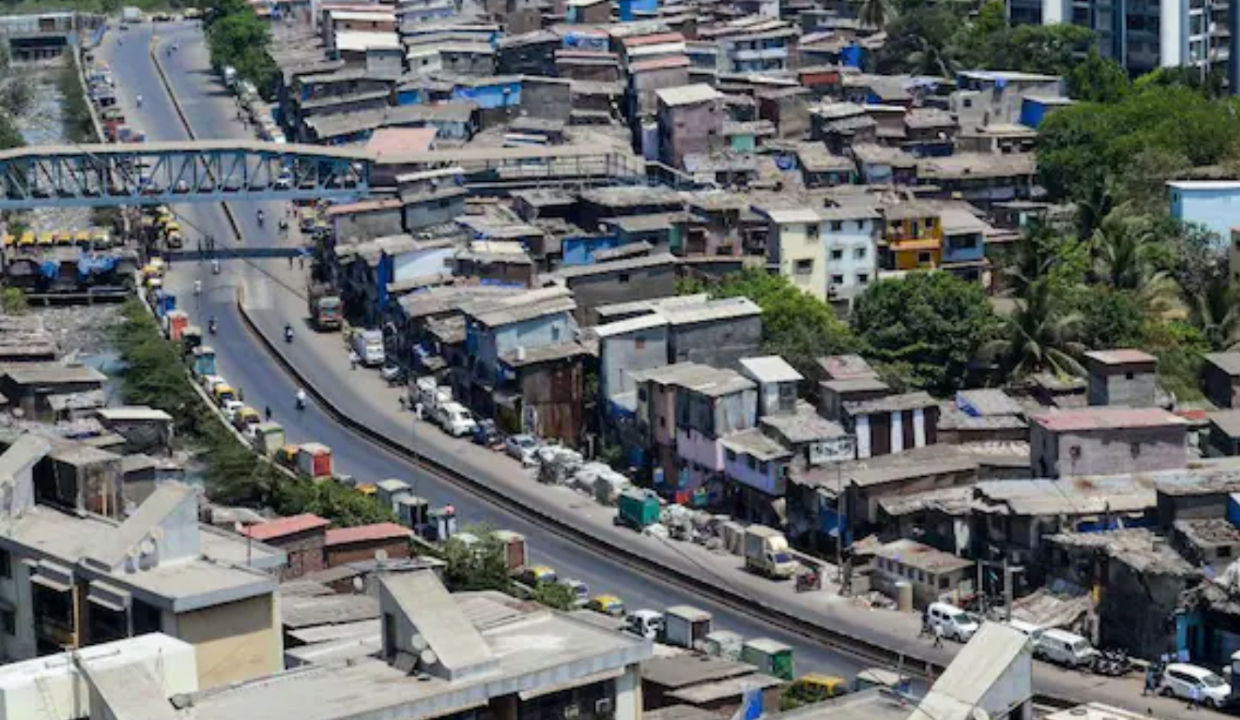
The poorest 10 percent of people in some of the world’s richest countries live on more each day than the richest 10 percent in India, according to the World Bank’s 2026 Poverty and Inequality Platform.
The data compares the daily income or consumption cut-off for each group. For India’s poorest 10 percent, it is around $3 per person. It is $25 in the United States and $31 in Canada. Germany and Australia are at $28 each.
The gap is wider at the top. A person needs around $10 a day to be among India’s richest 10 percent. The same cut-off is $173 in the United States, $129 in Canada and Australia, and $128 in Germany. India’s Economic Survey puts the top 10 percent of earners at around Rs 80,000 a month.
So even people among India’s wealthiest households have lower living standards than the poorest in several advanced economies. In India, spending $10 a day can place a person in the top 10 percent. In Canada, Japan and the United States, the same spending can put them in the bottom 10 percent.
Ahona Duttagupta, a programme associate at an economic policy foundation, said this points to a deeper problem. India has low incomes across the economy, she said, not just poverty.
She said raising the living standards of poorer Indians is necessary. It will not be enough to make the country prosperous. If poorer Indians caught up with today’s better-off households, they could still live far below people in richer economies. India must raise incomes and productivity across the board, she said. Narrowing the gap between rich and poor within India is not enough.
Productivity lets people and businesses produce more with the same land, labour and capital. Over time, it supports higher wages, better jobs and rising household incomes.
Duttagupta said productivity growth depends on innovation. Nobody can know in advance which ideas will work, she said. Entrepreneurs need room to test ideas, to recover from genuine failures and to expand what works. That means making it easier to start and grow a business. It also means reasonable, predictable taxes and fewer unnecessary compliance burdens.
India has eased some compliance rules and decriminalised certain minor offences. She said more reform is needed. Her suggestions are regular reviews of existing regulations, faster contract enforcement, and industrial clusters where Indian businesses can compete with firms abroad.
Lasting prosperity needs more than helping people move up within the current income distribution, she said. India has to raise the level of incomes across that distribution.
One caveat applies to the comparison. India’s figures come from household consumption surveys. Many rich countries’ figures reflect income. Consumption usually runs below income, so the two are not strictly like for like.