India rejects Indus water ruling
New Delhi maintains the tribunal was never lawfully constituted, setting stage for a deeper confrontation
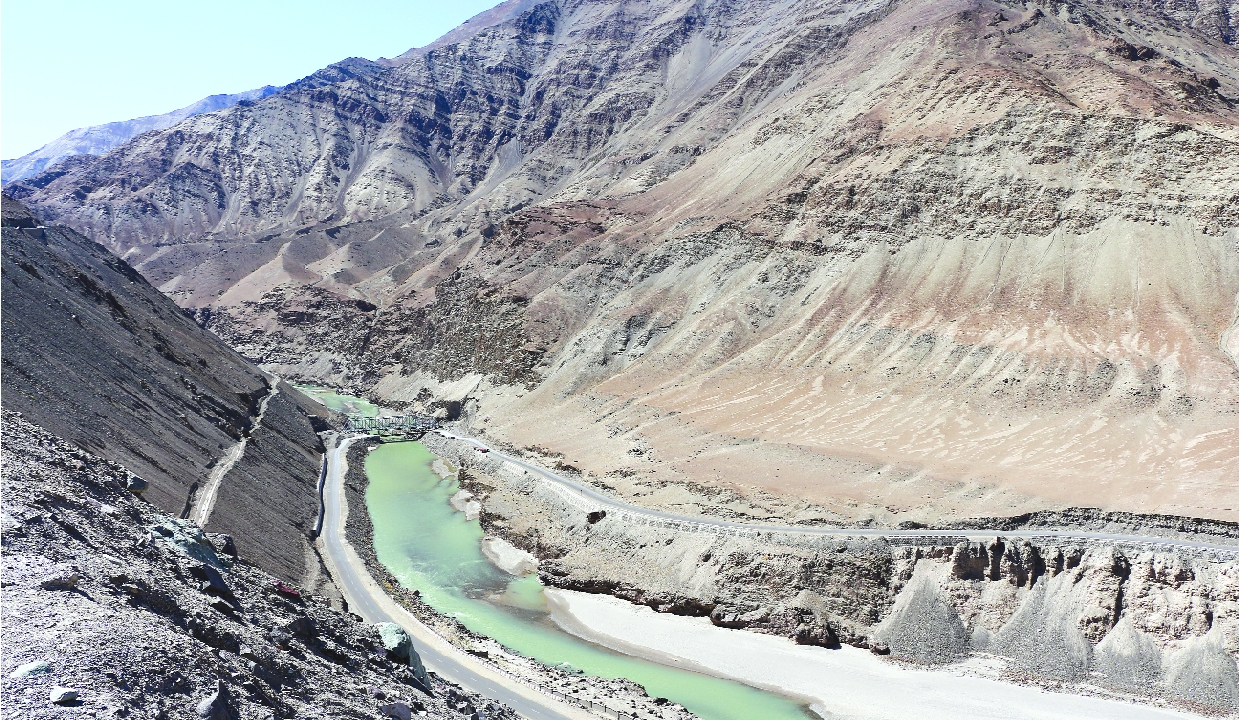
India's Ministry of External Affairs (MEA) on Monday has rejected the latest ruling issued by the Court of Arbitration in The Hague over the Indus Waters Treaty, maintaining that the tribunal was not lawfully constituted and therefore has no authority over India's decisions concerning water and infrastructure projects. New Delhi also reiterated that its decision to keep the treaty in abeyance remains unchanged.
The ruling came in connection with a dispute over the implementation of the 1960 water-sharing agreement between India and Pakistan. The arbitration panel held that the treaty continues to remain in force and said India should restrict certain activities linked to a hydroelectric project in Jammu and Kashmir.
The panel also rejected India's justification for placing the treaty in abeyance, stating that the circumstances cited by New Delhi did not provide grounds for suspending or ending the agreement.
The Indian government has consistently refused to recognise the Court of Arbitration established under the dispute-resolution process invoked in the Indus Waters Treaty.
In its response on Monday, the MEA said India had never accepted the legal existence of the tribunal and had therefore not participated in its proceedings.
New Delhi argued that the arbitration mechanism was created in violation of the treaty itself and that any decisions issued by the panel could not impose obligations on India.
The government further said the tribunal had no jurisdiction to rule on matters falling within India's sovereign authority, including decisions related to infrastructure projects being developed within the country.
India also made clear that it would not allow the latest award, or any future pronouncements from the tribunal, to influence its actions concerning such projects.
India announced that it was placing the Indus Waters Treaty in abeyance following the Pahalgam terror attack in April 2025.
The decision came amid heightened tensions between the two nuclear-armed neighbours. Pakistan has repeatedly opposed India's move, with its leaders describing water access as a critical national interest and warning of serious consequences if the treaty remains suspended.
India, meanwhile, has maintained that the decision remains in effect.
The latest ruling has therefore added another layer to an already contentious dispute involving both the future of the water-sharing agreement and the legal mechanism through which disagreements under the treaty should be resolved.
Monday's response follows India's earlier rejection of decisions issued by the same arbitration body.
On May 16, India dismissed an earlier award concerning the issue of "maximum pondage", which was linked to proceedings examining the interpretation of provisions under the Indus Waters Treaty.
At the time, MEA spokesperson Randhir Jaiswal said India did not accept that arbitration process and rejected the latest award as well as earlier decisions issued by the tribunal.
New Delhi's position has remained consistent: it does not recognise the Court of Arbitration as a validly constituted body under the treaty and does not consider its rulings binding on India.
The dispute now leaves the two countries sharply divided not only over the interpretation and implementation of the Indus Waters Treaty, but also over which mechanism, if any, has the legal authority to adjudicate disagreements under the agreement.