India faces higher fuel costs as global crude oil prices soar
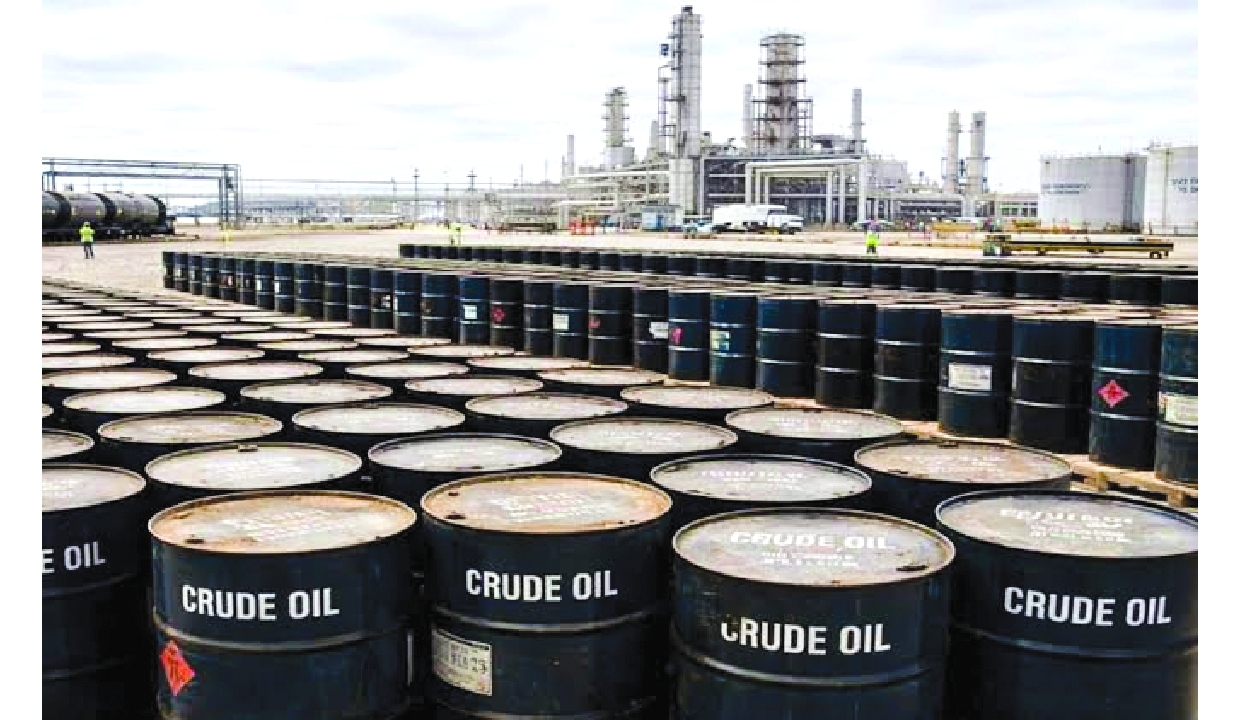
India faces the prospect of a higher oil import bill and renewed inflationary pressure after international crude prices surged on Tuesday, with Brent approaching $100 a barrel as escalating West Asia tensions raised concerns about disruptions to global supplies.
Brent futures rose more than 2 per cent to around $99 a barrel, while US West Texas Intermediate crude gained almost 3 per cent to about $94. The latest development followed attacks on Saudi energy infrastructure and heightened tensions involving Iran and the US, raising concerns about further disruption to oil flows. India, the world’s third-largest oil importing and consuming country, is particularly exposed to swings in international crude prices.
It imports over 88 per cent of its crude — raw material for making fuels like petrol and diesel — requirements. A sustained increase in prices raises the country’s dollar-denominated import bill and can put pressure on the trade balance and the rupee, analysts said.
Higher crude prices can also feed into domestic inflation through fuel, transport and other energy-related costs, they said, adding that impact on consumers and the wider economy depends in part on how much of the increase is passed through to domestic fuel prices and how long international prices remain elevated.
For now, retail petrol and diesel prices remain on freeze for over three months.
Rates were last revised on May 25 when they were hiked by Rs 2.61 a litre for petrol and Rs 2.71 per litre for diesel. Those hikes were part of the revision in rates that happened in the second half of May in response to international prices rising due to the war in West Asia disrupting energy flows from the Gulf countries. In all, petrol price was raised by Rs 7.35 a litre and diesel by Rs 7.53 in four instalments.