India reacts to US PERM suspensions, calls indentured servants remark on Indian professionals deeply offensive
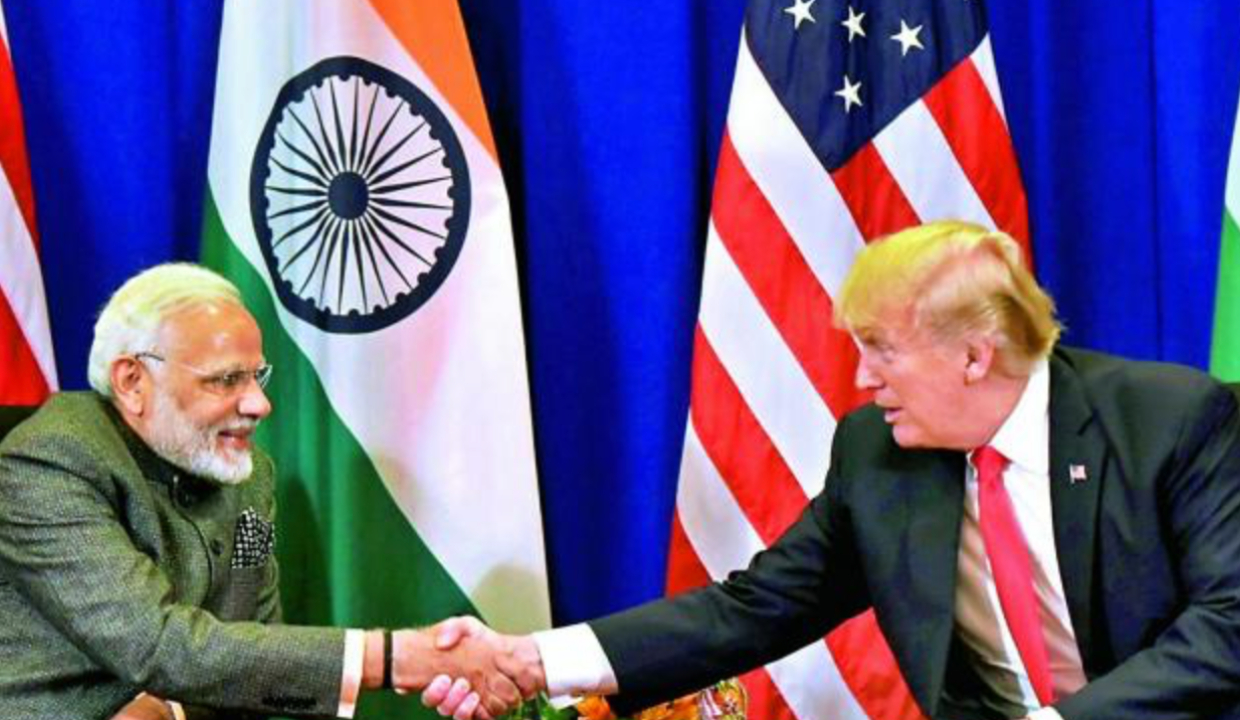
India on Friday, October 9, responded to the US Department of Labor’s decision to suspend certain companies from the Permanent Labor Certification (PERM) programme. It also criticised remarks by the US Vice President on the issue.
In a statement, the Ministry of External Affairs (MEA) said PERM is distinct from the H-1B visa programme. The suspension of PERM applications does not, by itself, affect existing H-1B visas or the status of H-1B holders and their dependents. The MEA said there could be some impact on the Green Card process for eligible employees of the affected companies.
The US has suspended eight companies from the programme, according to reports. They include Indian IT firms Cognizant, Infosys, Tata Consultancy Services, Wipro and HCL, along with Microsoft, Adobe and Capgemini. The move stops them from filing new PERM applications and halts the processing of pending ones.
The MEA said talent mobility adds value to both economies. It creates opportunities for Indians. It also helps US companies with talent, innovation, research, productivity, competitiveness and job creation, besides creating shareholder wealth in the US. “This is therefore an area of tremendous mutual benefit for the two countries,” the statement said. It added that the steps announced by the US “do not advance the shared ambitions of both countries.”
The MEA also took issue with comments by the US Vice President, JD Vance. Reports say Vance described H-1B workers as “indentured servants” and accused firms such as Microsoft of replacing American workers with foreign employees. The MEA did not name him in its statement.
“We believe that such descriptions are unwarranted and ignore the fact that Indian professionals in the United States are highly educated and skilled contributors to its economy and innovation ecosystem,” the MEA said. It noted that the history of the United States itself has been shaped by generations of immigrants. “Resorting to terminology that carries painful historical and colonial legacy connotations is deeply offensive,” it said.
The MEA said it continues to follow developments.