India pitches BRICS cooperation on digital infrastructure, fairer ICT standards
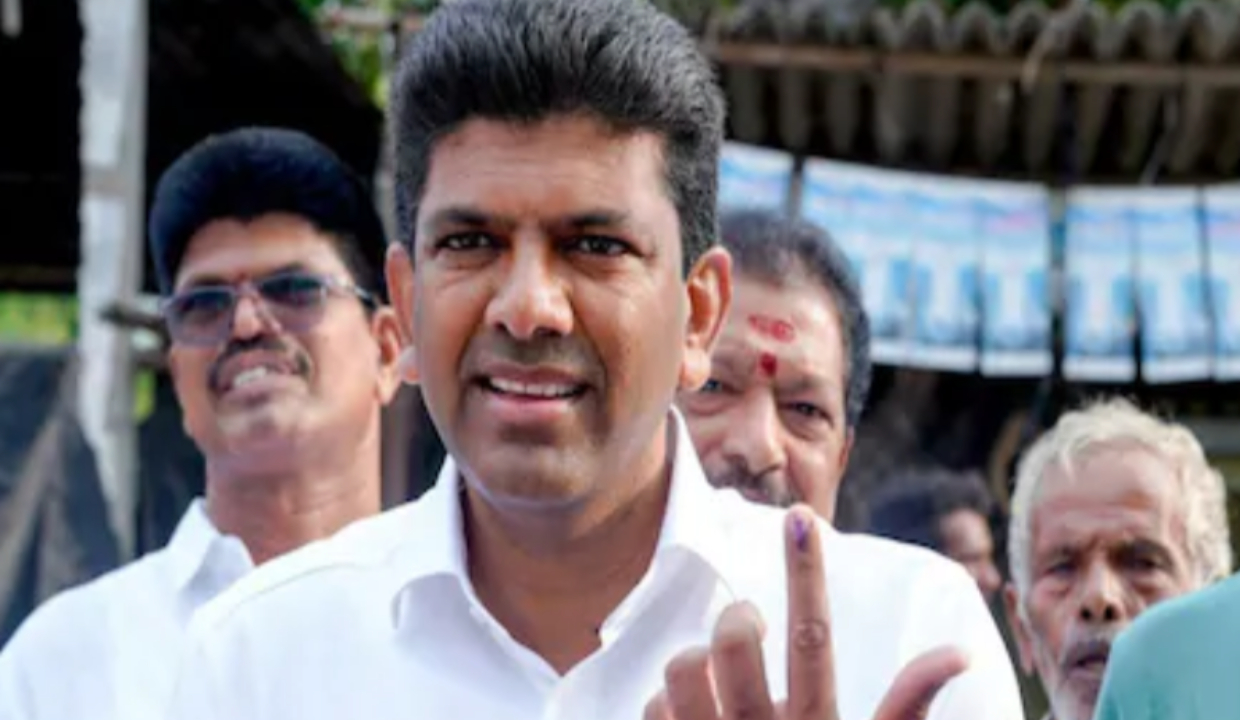
BRICS member countries can build institutional capacity together and jointly advocate for standards in international telecom and ICT bodies that are fair and genuinely represent everyone, Minister of State for Telecom Chandra Sekhar Pemmasani said on Thursday.
Speaking at the BRICS ICT Track Thematic Panel Discussion on "Sustainable and Resilient Digital and ICT Ecosystems: Digital Public Infrastructure for Impact – Global South Insights on Powering Public Services and Economic Growth", the minister said India is open to sharing modular, open-source frameworks for digital public infrastructure, which member states should be able to adapt without rebuilding them from the beginning or incurring prohibitive licensing costs.
Pemmasani called for partnerships among BRICS member countries to build capabilities.
"Let us train our workforce together, and build institutional capacity together. And let us advocate together for standards in international telecom and ICT bodies that are fair, and genuinely representative of us all," he said.
The finalisation of technology standards leads to the development of products that come into use years after the standards are frozen. Some technologically advanced countries continue to dominate standard-setting bodies and are therefore able to use the technological know-how proposed by them to build advanced products.
Talking about digital public infrastructure, the minister said that instead of the government trying to build every consumer application, the government and its public institutions establish foundational infrastructure.
He said banks, fintechs, merchants and government departments can then build services on top of the foundational infrastructure.
"Aadhaar is the foundational identity layer. Today, 1.45 billion Aadhaar identities have been generated; billions of authentications, including e-KYC, bank accounts and SIMs, use the Aadhaar framework. It enables remote, low-cost, digital verification at scale," he said.
He said documents issued on the digital platform DigiLocker can be treated at par with original physical documents.
"Digital public infrastructure is not a luxury for developed economies. It is a necessity for sustainable development across the Global South. Digital systems built for equity, resilience and sustainability do more than move data-- they move people out of poverty, move economies forward, and move our planet toward a safer future," Pemmasani said.
The thematic panel session witnessed the participation of distinguished international dignitaries and BRICS representatives, including Frederico de Siqueira Filho, Minister of Communications of the Federative Republic of Brazil, and Mondli Gungubele, Deputy Minister of Communications and Digital Technologies of the Republic of South Africa, among other ministerial delegates and global technology leaders.