India, Bangladesh weigh Tarique’s Delhi visit
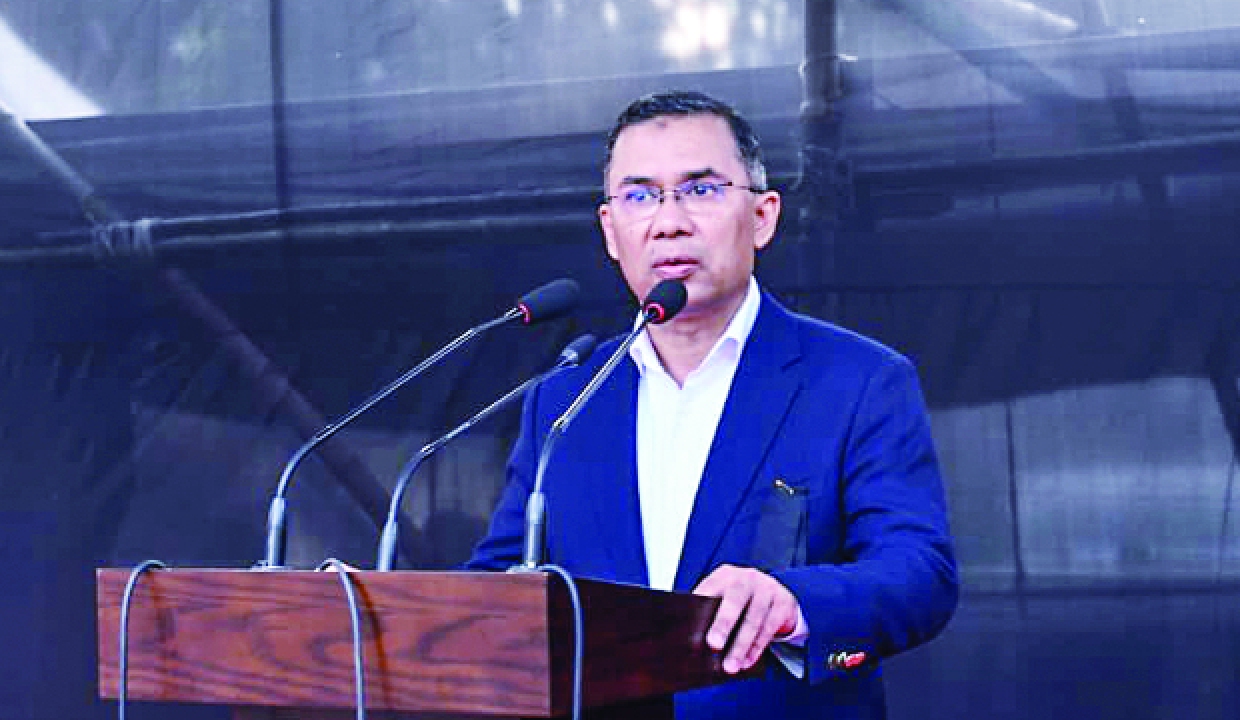
No date has been announced, but a series of high-level contacts suggests Bangladesh and India are laying the groundwork for a possible Prime Ministerial visit.
Bangladesh Prime Minister Tarique Rahman’s possible visit to India is increasingly becoming a focal point of Dhaka-New Delhi diplomacy, with both sides signalling a willingness to deepen engagement even as the timing of the trip remains undecided.
Rather than a confirmed itinerary, the latest developments point to an active diplomatic process. Indian officials have reiterated that an invitation is on the table, while Bangladesh has indicated that a final decision will depend on the Prime Minister’s schedule and the outcome of ongoing discussions. India has extended two separate invitations to Tarique Rahman: one for a bilateral visit and another to attend the outreach session of the 18th BRICS Summit in New Delhi on September 12-13.
Indian Ministry of External Affairs spokesperson Randhir Jaiswal confirmed that both invitations remain valid, saying India would provide an update if there is progress.
For Tarique Rahman, such a visit would carry significance beyond protocol. It would provide an opportunity for the new Bangladesh government to engage directly with India on a broad range of issues and potentially establish a new framework for bilateral relations.
The possible meeting comes as the two neighbours seek to navigate a number of complicated issues. Relations have faced tensions over the extradition request for former Prime Minister Sheikh Hasina, border security, trade and transit, water-sharing, energy cooperation and people-to-people movement.
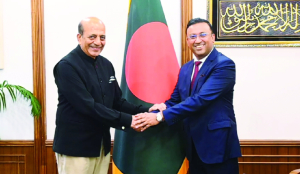
At the same time, both governments have shown signs of wanting to keep communication channels open. Indian High Commissioner to Bangladesh Dinesh Trivedi recently held separate meetings with Prime Minister Tarique Rahman, Foreign Minister Dr Khalilur Rahman and Home Minister Salahuddin Ahmed.
During his meeting with Tarique Rahman, Trivedi conveyed Indian Prime Minister Narendra Modi’s greetings and expressed New Delhi’s intention to pursue relations with Bangladesh in a positive and forward-looking manner.
The discussions also covered areas of mutual interest and possible avenues for expanding people-centred cooperation.
Trivedi later met Modi in New Delhi and briefed him on his discussions with the Bangladeshi leadership, indicating that the recent diplomatic exchanges are being closely followed at the highest level in both capitals.
The BRICS invitation has added another possible route for Tarique Rahman to travel to India. Bangladesh currently chairs BIMSTEC, and India has invited Tarique Rahman to participate in the BRICS outreach session in that capacity. New Delhi has described the invitation as part of the established practice of inviting heads of regional organisations to BRICS outreach meetings.
If Tarique Rahman attends, the event could provide an opportunity for an informal or formal interaction with Indian leadership alongside the multilateral programme.
However, Bangladesh has not yet confirmed whether the Prime Minister will participate. State Minister for Foreign Affairs Shama Obaed Islam said recently that there was still time to decide, noting that the Prime Minister’s schedule and ongoing discussions would be important factors.
While the proposed visit remains uncertain, energy cooperation has already emerged as a practical area of engagement between the two countries.
Bangladesh currently receives diesel from India through a cross-border pipeline and has requested an increase in supply. Indian officials have said the request will be examined in light of India’s domestic requirements, refining capacity and the availability of diesel.
The issue could become an important component of wider economic and energy discussions between the two governments. For Dhaka, securing reliable energy supplies is a major economic concern, while for New Delhi, any expansion of exports must be balanced against domestic demand and supply conditions.
The most politically difficult issue in the relationship remains Bangladesh’s request for the extradition of former Prime Minister Sheikh Hasina from India.
Dhaka has pressed New Delhi on the matter, while the Indian government has said the request is being examined through the relevant judicial and legal processes.
Any high-level meeting between Tarique Rahman and Narendra Modi would therefore take place against the backdrop of this unresolved issue.
Other sensitive matters, including border killings, river-water sharing and security cooperation, could also require political attention if the proposed visit moves forward.
For now, the central question is not whether India is willing to host Tarique Rahman—the answer from New Delhi appears to be clear—but when the visit can be arranged and what both sides want to achieve from it.
Diplomatic sources say a high-level visit normally requires agreement on dates, an agenda and adequate preparation. If substantive agreements are expected, officials on both sides would need time to negotiate and settle key issues before the leaders meet.
Reports have suggested possible dates in August or September, but neither government has officially confirmed a schedule.
The continuing diplomatic contacts nevertheless indicate that the possibility of a Tarique Rahman visit is being actively considered.
If the trip goes ahead, its importance could extend well beyond the visit itself. It could serve as an early test of whether Dhaka and New Delhi can turn their renewed diplomatic engagement into practical cooperation while managing the disagreements that have complicated ties.
For Bangladesh Prime Minister Tarique Rahman, the India visit could therefore become an important opportunity to define the direction of relations with one of the country’s most consequential neighbours.