In real time, do the Epstein files question Western morality?
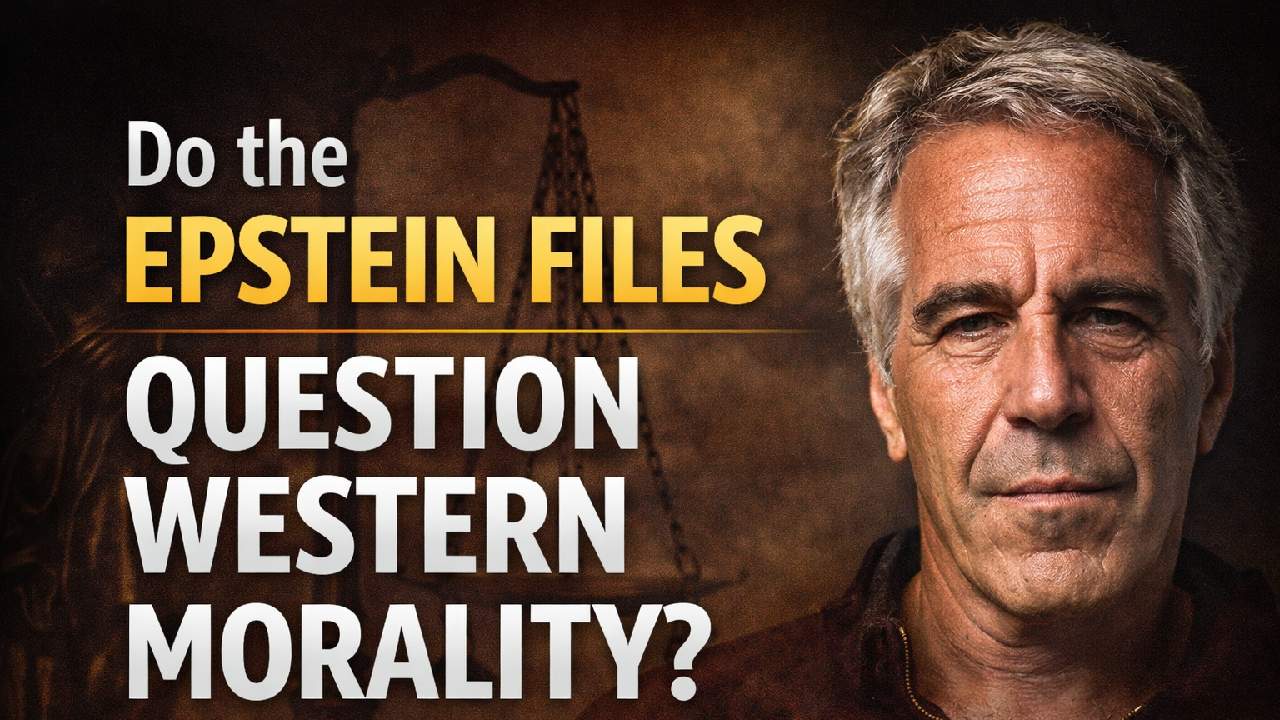
After 1945, the West sold a clear story about itself. It was the teacher of human rights, the referee of the rule of law, and the protector of the weak. That story shaped speeches, schoolbooks, foreign policy, and even wars. It also set a test in the West often demanded others pass.
The Epstein files challenge that story at its roots. Public reporting and court-linked releases have described a flood of material tied to Jeffrey Epstein, sometimes framed as millions of pages alongside extensive video and image archives. The exact scope varies by source and by what is legally unsealed, but the theme doesn’t change: a wealthy network, young victims, and a culture of impunity.
Trump appears early in this picture because he moved in some of the same social circles as Epstein. That proximity, and what records do and don’t show, has become part of a larger question: if the West claims moral authority, why did so many powerful people seem protected for so long?
The West’s Post-War Claim to Moral Superiority
In the decades after World War II, Western Governments built a public identity around rules and rights. Courts were held up as neutral. Elections were framed as the clean source of power. Equality was treated as an ideal that could be measured and exported. This self-image didn’t stay at home. It shaped global institutions, aid programs, and diplomacy. It also shaped punishment. When a non-Western Government was accused of corruption, political violence, or abuse, Western leaders often spoke as prosecutors, not peers.
Sanctions were sold as moral medicine. Loans came with terms about governance. Military action was sometimes described as rescue. The irony sits in plain sight now. A culture that claims to protect children struggled to confront abuse when it ran through wealthy circles. A culture that praises equal justice tolerated systems where money bought silence. The West did not just fail at private virtue. It failed at public enforcement, which is where moral claims either stand or fall.
Exporting Values Through Power Plays
Western “values” were often packaged with pressure. A country might be told it must change its laws to get aid, or it might face trade limits until leaders complied. In daily life, this looked less like moral teaching and more like a landlord setting house rules.
Military action followed a similar pattern. Interventions were frequently described as defending human rights, even when civilian harm and broken states followed. The message to outsiders was consistent: Western states would judge, punish, and correct. The message inside Western elite networks looked different, rules applied when convenient.
What the Epstein Files Really Uncover
The Epstein files are not one neat binder. They include court filings, depositions, contact records, flight logs, investigative materials, and claims from victims. Some documents are verified and unsealed; others circulate as summaries, leaks, or disputed compilations. That mix is part of the problem; it creates noise that can hide the clearest facts.
Still, enough is known to outline the core. Epstein was convicted in 2008 in Florida on charges related to soliciting a minor for prostitution and later faced federal charges in 2019 for sex trafficking of minors. He died in custody that same year. Victims have alleged years of abuse, recruitment, and trafficking, often facilitated by money, staff, and access to high-status spaces. The public shock is not only the abuse. It is the social map around it. The case draws attention because Epstein cultivated ties with the rich and famous, then used that status as cover.
When records show powerful names, the question becomes simple: who knew, who benefited, and who looked away? Trump’s name has appeared in widely reported contexts around Epstein, including social references and flight logs from the era. Those mentions do not prove criminal conduct. They do, however, underline the larger point, elite proximity is common, and accountability often arrives late, if it arrives at all.
Shocking Details from the New Documents
When new batches of documents become public, the same patterns surface again and again: Victim accounts that describe grooming, recruitment, and intimidation, often with similar methods repeated over time. Logs and contacts that suggest a wide web of relationships, with staff and intermediaries smoothing access.
Legal disputes and sealed records that show how long key details stayed out of public view. Media and image references that raise hard questions about what was recorded, stored, and used as pressure. The case reads like a manual for how power protects itself. Money hires lawyers, shapes narratives, and exhausts victims. Reputation works like armor until it suddenly doesn’t.
Trump’s Connections and the Bigger Picture
Trump’s links to Epstein sit in the category of social contact that is common among wealthy circles in New York and Palm Beach. Photos, party talk, and reported comments have fueled years of argument. Flight logs have also been discussed in public reporting, adding to the sense that this was not a distant acquaintance. At the same time, proximity is not the same as guilt. That distinction matters, and it should be applied to every name connected to the case.
The deeper issue is what the connections reveal about class and consequence. When elite networks overlap, people share parties, introductions, and favors. That social web can also become a shield, even when rumors spread. Trump remains a focal point because he is both a public figure and a symbol of a larger system. The Epstein saga did not depend on one politician. It depended on a culture where status could slow scrutiny and where victims had to fight to be believed.
Why This Ends the West’s Moral Facade
The West’s moral authority depends on one promise: the rules apply to everyone. The Epstein files, and the long chain of delays and settlements around the broader scandal, make that promise sound hollow. When abuse can persist near centers of wealth, and when consequences arrive only after years of warnings, lectures to the rest of the world ring false.
This is not just about anger. It is about influence. Western Governments have relied on moral language to justify sanctions, alliances, and interventions. If outsiders see that the West cannot police its own elites, they will treat Western “standards” as political tools, not principles.
The damage also lands at home. Trust in courts, police, and media already runs low in many places. High-profile failures deepen the belief that there are two systems, one for ordinary people, and one for those with money and access. The lesson is brutal but clear: a society that markets itself as a guardian must prove it through consistent enforcement, not speeches.
Conclusion
Civilisations survive on stories, but stories must match behavior. The Epstein files have become a stress test for Western claims about rights, law, and protection of children. They show how status can mute alarms, how legal systems can move slowly when the accused are rich, and how victims can be pushed to the margins for years.
Trump’s presence in the wider Epstein narrative is part of why the story hits so hard. It reminds readers that the social world of power is small, and that famous names often sit closer to scandals than the public expects.
The real demand now is accountability that doesn’t stop at the edges of wealth or politics. If the West wants to speak as a moral tutor, it has to start by enforcing its own rules, in its own house, on its own elites.
Surjit Singh Flora is a freelance writer and journalist who lives in Brampton, Canada