No ICMR study on food-addiction link: Govt
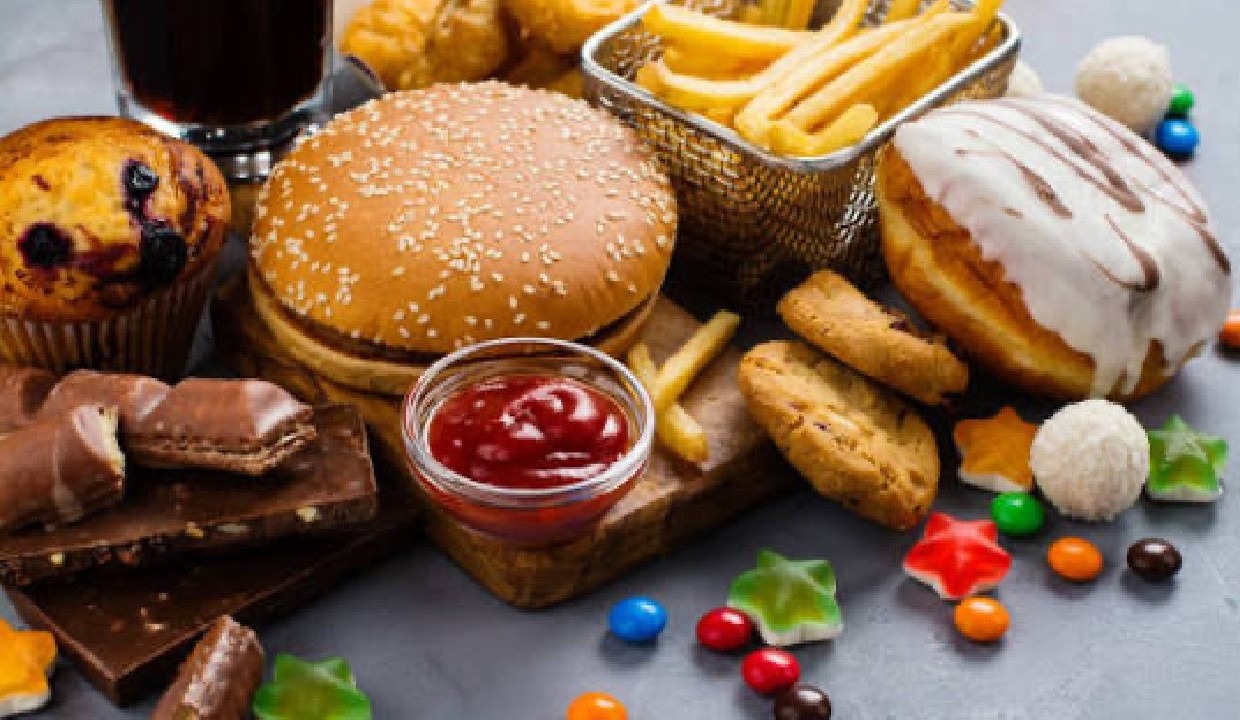
The Indian Council of Medical Research (ICMR) has conducted no study on whether ultra-processed foods show addiction-like traits similar to tobacco or other habit-forming substances, the Lok Sabha was told on Friday, Aug 7.
In a written reply, Minister of State for Health Prataprao Jadhav said ICMR, drawing on global scientific evidence, has found that higher consumption of ultra-processed foods is linked to greater risk of obesity, type 2 diabetes, cardiovascular disease and mental disorders.
However, these conditions are multifactorial, and ultra-processed food is just one of several modifiable risk factors, he said, adding that the evidence is largely observational and does not by itself establish causality.
Jadhav said ICMR has taken several steps to raise awareness of the risks of excessive ultra-processed food intake. The Dietary Guidelines for Indians, 2024, recommend limiting free sugar, avoiding frequent consumption of sugar-sweetened drinks, and cutting back on ultra-processed foods, alongside guidance on reading food labels.
ICMR has also launched the "Let's Fix Our Food" initiative with national and international partners to build healthier food environments for children and adolescents, focusing on school food environments, evidence-based communication and engagement with schools, parents, policymakers and civil society.
The council additionally runs nutrition awareness drives through public lectures, workshops, training programmes and National Nutrition Month, and distributes education material in regional languages, Jadhav said.
He added that the Food Safety and Standards Authority of India (FSSAI) has its own initiatives, including the Eat Right India movement, the "Aaj Se Thoda Kam" campaign to cut fat, salt and sugar intake, an Eat Right Quiz on Obesity with MyGov, and the #HarLabelKuchKehtaHai campaign on food labels.
FSSAI has notified quality and safety standards for food products aligned with international benchmarks such as Codex, and regulates sugar, salt and fat content under existing rules, Jadhav said.
The Food Safety and Standards (Labelling and Display) Regulations, 2020, require disclosure of nutritional information — including fat, sugars, carbohydrates, protein, energy and sodium — and ingredient lists, while banning false or misleading labelling.
The Food Safety and Standards (Advertising and Claims) Regulations, 2018, require advertisements and health claims to be truthful and scientifically substantiated, and bar claims that foods can prevent, treat or cure diseases unless permitted by law, Jadhav said.
Violations attract regulatory and punitive action against non-compliant food business operators under the Food Safety and Standards Act, 2006, he added.
(With inputs from PTI)