Help could not reach in time, say survivors of Palam fire tragedy
The fire rose fast. The exits did not. And help, survivors say, could not reach in time. In the choking smoke of a burning building in southwest Delhi’s Palam, a father stood at the edge of the third floor and made a desperate choice: he tried to lower his two-year-old daughter to safety. She slipped. Moments later, he jumped. Inside, others waited on balconies, calling for help that struggled to reach them.
By the time the fire was brought under control on Wednesday morning, nine members of a single family were dead, among them three children in one of the Capital’s most devastating residential fires in recent months.
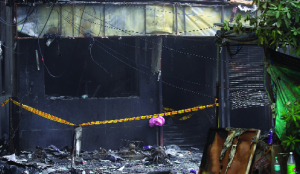
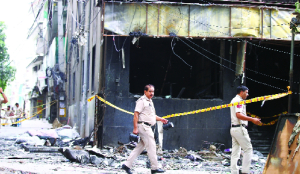
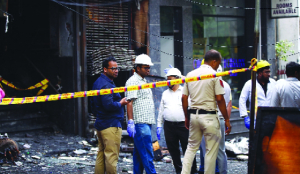
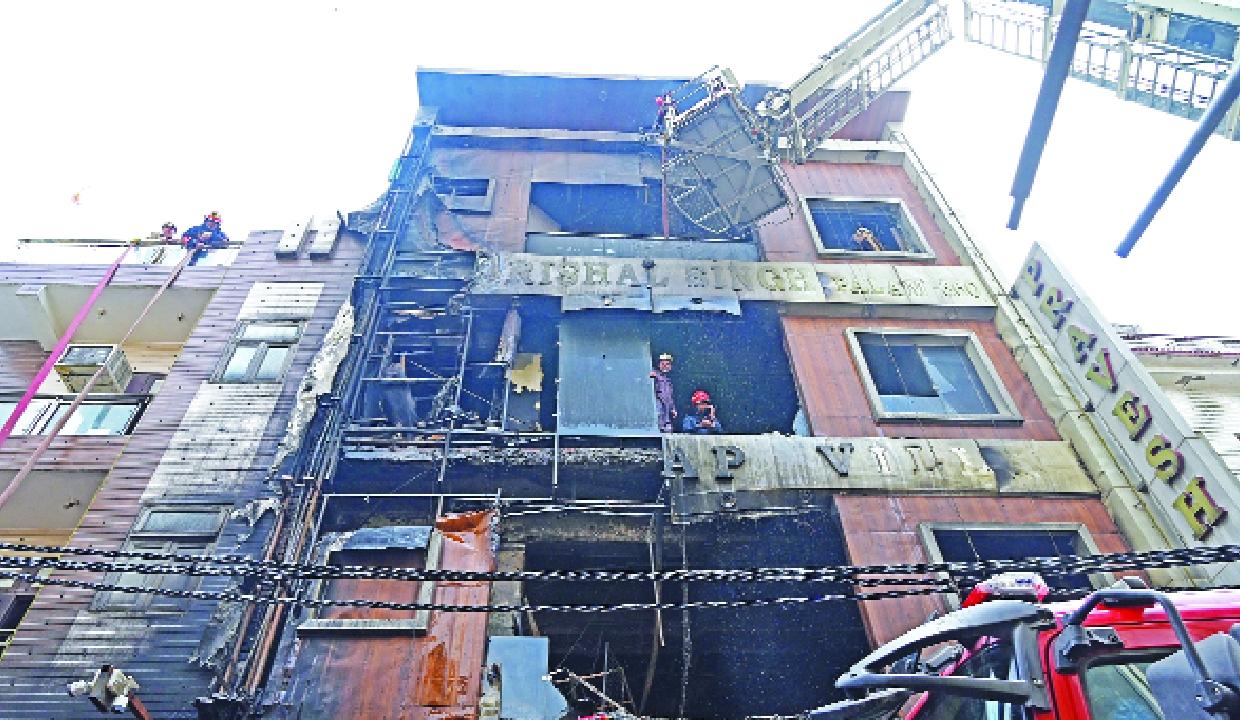
The blaze broke out around 7 am in a four-storey building at Ram Chowk Market. The lower floors housed a cloth and cosmetics showroom. The family lived above. Officials say that the combination proved fatal. The victims included 70-year-old Laado, her sons Pravesh (33) and Kamal (39), daughter Himanshi (22), daughters-in-law Ashu (35) and Deepika (28), and three young girls aged 15, 6, and 3.
Relatives said the head of the family, Rajender Kashyap, was out of town when the fire began. Most members were inside the building, likely asleep or just starting their day, when smoke spread rapidly upward. Survivors’ accounts paint a picture of chaos, delay, and a building that offered little chance of escape.
One of Kashyap’s sons, Anil (32), tried to save his toddler by lowering her down from the third floor. The attempt failed, and both were injured. Another son, Sachin (29), leapt across to a neighbouring building, escaping with burn injuries. Firefighters reached the spot quickly, but rescuing those trapped on the upper floors proved difficult. Eyewitnesses said flames first consumed the lower floors before shooting upward after shop shutters were forced open. Thick, toxic smoke followed, turning stairways into death traps.
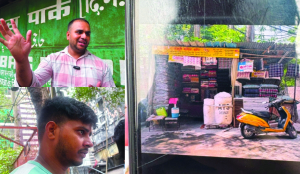
People on the upper floors gathered at balconies, waiting to be rescued. But the rescue did not come in time. Several residents pointed to a critical delay involving the hydraulic ladder. They said the equipment either failed to deploy or was too short to reach those stranded above.
One witness said the first ladder could not be operated properly for nearly half an hour. Another said a second ladder arrived much later, by which time the fire had intensified, and visibility had dropped sharply.
A firefighter, however, indicated that the ladder initially available was not sufficient for the height, forcing teams to call for additional equipment. By then, the fire had already done its damage.
Narrow lanes clogged with overhead wires and dense construction slowed the movement of fire engines. The building itself had only one entry and exit point, a critical flaw in an emergency.
Residents said the fire may have started due to a short circuit on the lower floor, where electrical wiring and a meter box were located. The presence of perfumes and cosmetic products, highly flammable, helped the fire spread within minutes.
“It moved like it was feeding on fuel,” said a local, describing how flames climbed from the ground floor to the top in a short span. Firefighters, assisted by multiple agencies, battled the blaze for hours. Around 20 to 30 fire tenders and several ambulances were deployed. Rescue teams broke through walls and evacuated nearby buildings as a precaution. But for many inside, escape routes had already closed.
The tragedy has again exposed the risks of mixed-use buildings in congested urban areas: shops below, homes above, with little regard for fire safety. In recent days, Delhi has seen multiple fire incidents, from jhuggi clusters to market spaces, underlining a pattern of vulnerability.
In Palam, that vulnerability turned fatal. Nine lives lost in a building that had no second exit, no margin for error, and, as survivors say, no time to wait.