Healthcare does not end at the doctor’s door
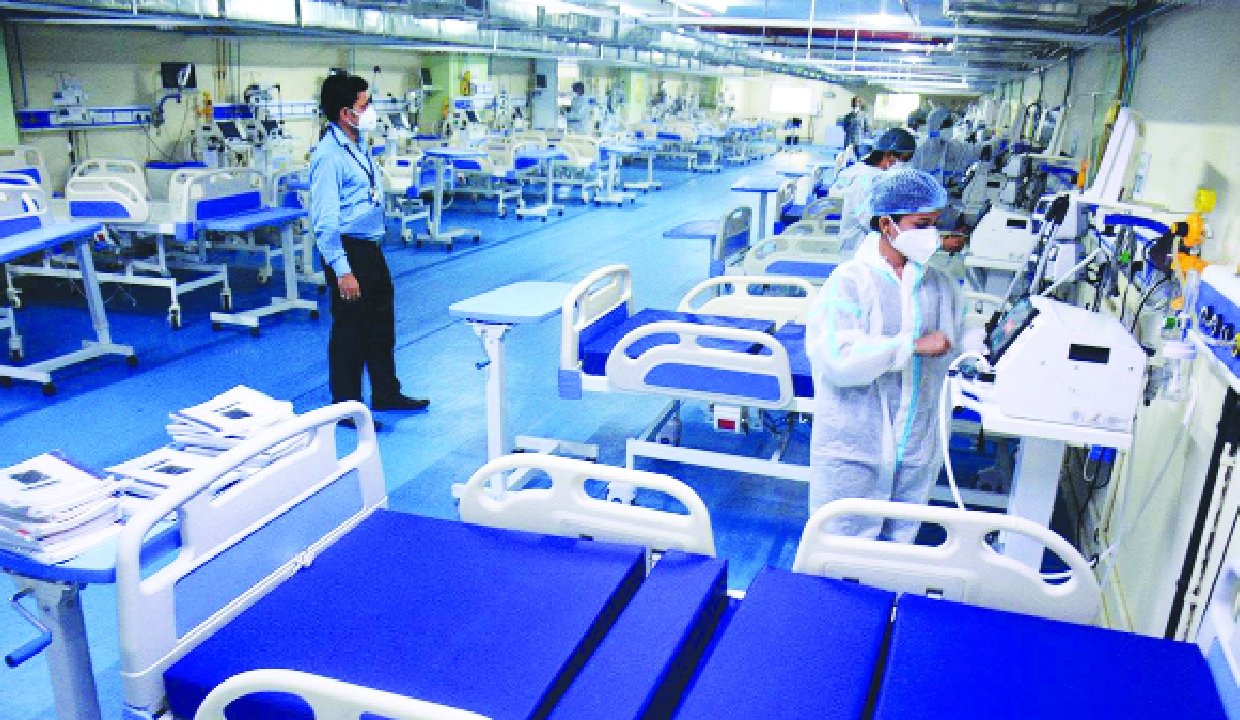
India’s healthcare system has made remarkable progress. We have advanced hospitals, highly trained doctors, better diagnostics and increasingly accessible digital health services. Yet, somewhere between the doctor’s consultation and the patient’s recovery, an important part of healthcare remains largely invisible: the patient journey itself.
For a patient, going to a hospital is rarely just about meeting a doctor. It can involve finding the right department, managing appointments, completing paperwork, waiting in queues, arranging tests, understanding admission procedures and dealing with discharge formalities. For families already dealing with fear and uncertainty, these seemingly routine tasks can become an additional burden.
The question we need to ask is simple: Who supports the patient through everything that happens around the treatment?
India has excellent medical professionals, but doctors and nurses cannot be expected to manage every non-clinical requirement of a patient. Their primary responsibility is medical care. The rest of the journey often falls on family members, who may themselves be working, living in another city or unable to spend hours at a hospital.
Changing family structures are making this gap more visible. Children increasingly live away from their parents. Working couples may find it difficult to take repeated leave for hospital visits. Elderly people may have to navigate hospitals on their own. Even when families are available, the emotional pressure of managing a hospital visit alongside medical concerns can be considerable.
This is where patient assistance needs to become part of the larger healthcare conversation.
A trained Hospital Companion can help with the practical aspects of a hospital visit: accompanying a patient, assisting with appointments and paperwork, helping navigate hospital processes, waiting in queues and supporting admission or discharge formalities. Such a person is not a doctor, nurse or substitute for a family caregiver. The role is different. It is about ensuring that a patient does not have to navigate a complicated system alone.
The need for such support is not merely about convenience. It is about dignity and peace of mind.
Healthcare technology has already made several parts of the system easier. People can book appointments online, consult doctors remotely and access reports digitally. But there are moments when technology cannot replace human presence. A patient who is anxious, an elderly person who is unfamiliar with a hospital or a family dealing with a medical emergency may need someone physically present to help them navigate the process.
The experience has reinforced a simple belief: healthcare must become more human not only inside the consultation room but throughout the patient’s journey.
This does not mean every patient needs a companion. It means that those who need one should have access to reliable and trained support.
As India becomes more urban, mobile and digitally connected, healthcare delivery will also need to evolve. Hospitals, healthcare companies and policymakers should consider patient assistance as part of the wider ecosystem rather than treating it as an informal responsibility of families.
The quality of healthcare should not be judged only by the expertise available inside a hospital. It should also be judged by how a patient experiences the system from arrival to discharge.
A doctor provides medical expertise. A hospital provides infrastructure and treatment. But there is another need that deserves recognition: someone who can help a patient navigate the journey.
Sometimes, making healthcare more humane begins with simply making sure that no patient has to walk through it alone.
The writer is a healthcare expert and runs a non-governmental organization; Views presented are personal.