Govt plans mega medical merger to boost PG seats
The Delhi Government plans to merge three major public hospitals to create an integrated medical institution, modelled after AIIMS. The move aimed to sharply increase Postgraduate (PG) seats and strengthen medical education and research in the capital.
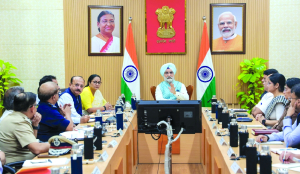
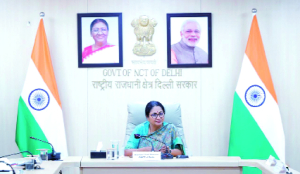
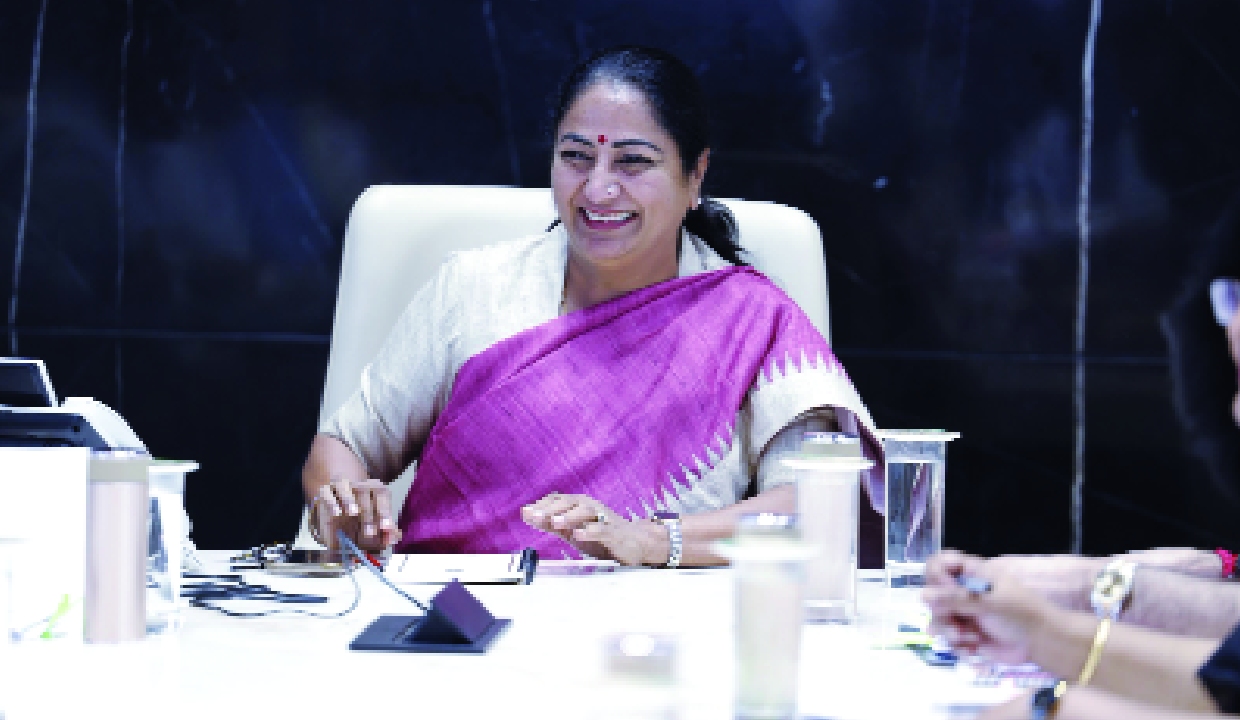
Chief Minister Rekha Gupta stated that the integration of Guru Teg Bahadur Hospital (GTB), the Delhi State Cancer Institute (DSCI), and the Rajiv Gandhi Super Specialty Hospital (RGSSH) will address the fragmentation of resources and enhance both healthcare delivery and academic output. A senior official said, “The integration will allow pooling of faculty and infrastructure, which directly translates into more PG seats and better training opportunities.” The plan proposes to combine departments that currently function separately across the three institutions. Officials said this will optimise the use of faculty, many of whom are currently underutilised due to distribution across different hospitals.
Under existing norms, an associate professor can support two PG seats, while a professor can support three. By merging faculty strength, the number of PG seats is expected to rise significantly without immediate large-scale hiring.
The impact is likely to be most visible in key departments. Radiology seats, which are currently limited or absent in some institutions, could increase to around 22. Pathology seats may rise to nearly 26, while anaesthesia could see a jump to about 48 seats.
Officials said the increase will also come from filling vacant faculty positions, many of which remain unoccupied across the three hospitals. The integration is also expected to introduce new PG courses in specialised fields where seats do not currently exist. At DSCI, around 26 new PG seats could be added in areas such as radiation oncology, nuclear medicine, cancer research, and intensive care.
Similarly, RGSSH is expected to add about 14 PG seats in super-speciality disciplines, including cardiology and cardiac surgery.
The Government is also working on a parallel plan to expand undergraduate medical education. The Chief Minister said the increase in faculty strength, bed capacity, and patient load will create conditions necessary to expand MBBS seats in the future. To support this, the government plans to invest in academic infrastructure, including hostels, laboratories, and lecture theatres.
In a separate but related move, the government aims to upgrade the Institute of Human Behaviour and Allied Sciences (IHBAS) into a facility on the lines of the National Institute of Mental Health and Neurosciences (NIMHANS).
Officials said this would strengthen mental healthcare services while also creating opportunities for advanced research and specialised training.
The Chief Minister said the initiative is part of a broader vision to position Delhi as a national hub for medical education and research. “The goal is not just better treatment facilities but also to create a strong academic ecosystem,” she said. The integration model is expected to improve coordination between institutions, reduce duplication of resources, and ensure better utilisation of advanced medical equipment.
Experts say the move could help address the shortage of specialist doctors by increasing training capacity. At the same time, better infrastructure and academic exposure could improve the quality of medical education.
Officials said detailed implementation plans are being worked out, including administrative restructuring and regulatory approvals. If executed as planned, the project could mark a significant shift in how public medical institutions function in Delhi, combining service delivery with education and research under a unified framework.