Govt approves Rs 3,700 crore dues for Peripheral Expressways
The Rekha Gupta Government in Delhi on Saturday approved the payment of its pending share for land acquisition related to the Eastern and Western Peripheral Expressways.
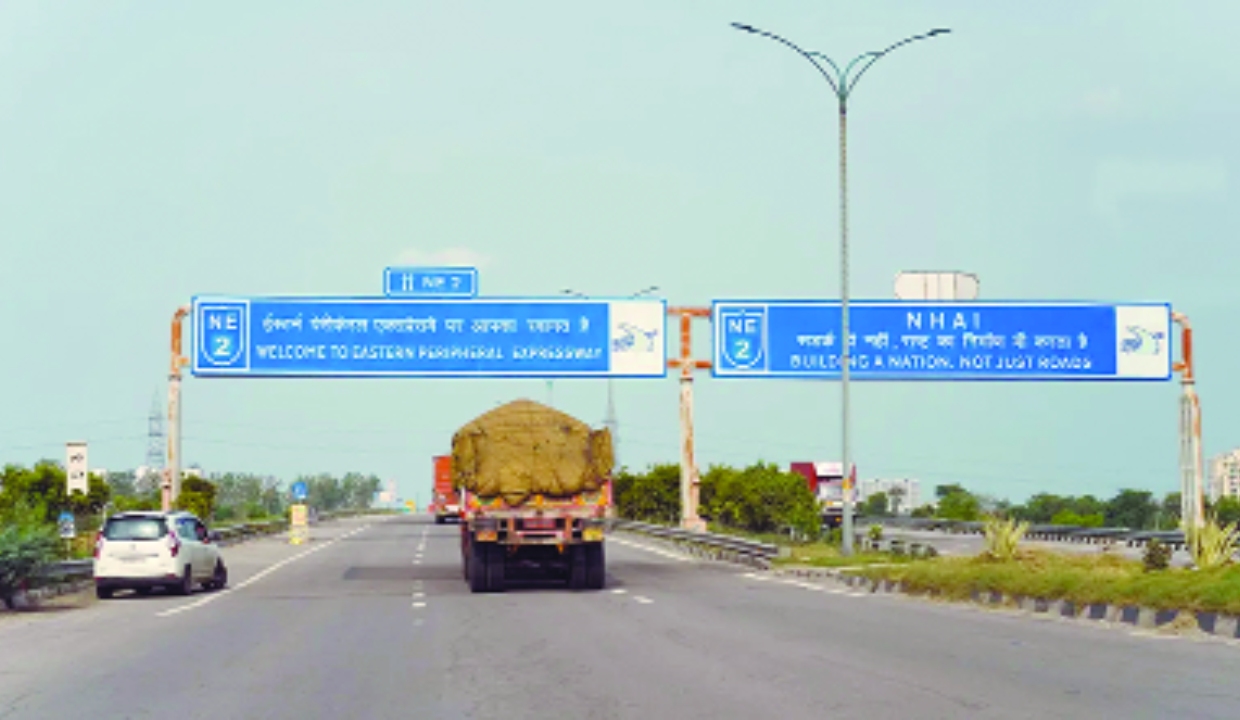
While the eastern peripheral expressway envisages signal-free connectivity between Ghaziabad, Faridabad, Gautam Budh Nagar (Greater Noida) and Palwal, the western Peripheral expressway connects Kundli to Palwal via Manesar in Haryana. Both are 135 km each.
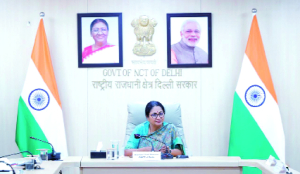
Approving the payment of its share for land acquisition regarding Peripheral Expressways, Chief Minister Rekha Gupta said the decision would help ease congestion caused by heavy vehicles and bring down pollution levels in the city. These expressways were designed to divert non-destined traffic-especially trucks-away from Delhi, thereby reducing pressure on city roads.
Earlier, the AAP Government in Delhi had opposed the Centre’s demand to pay over Rs 3,500 crore spent on acquiring land for the Eastern and Western Peripheral Expressways. In an affidavit in the Supreme Court, the Delhi Government had stated that the state had already paid Rs 700 crore and did not want to shell out more.
Taking a swipe at the previous Government, the Chief Minister alleged that the project had suffered due to a lack of seriousness and political differences with the Centre, which led to deliberate delays in clearing the dues, ultimately harming Delhi’s interests.
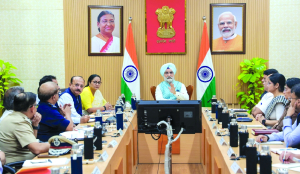
Sharing details, the chief minister said the Cabinet recently approved a proposal by the Public Works Department to clear the outstanding amount in a phased manner. As part of this plan, Rs 500 crore will be released in the financial year 2025-26 from the revised budget estimates to the Union Government or the National Highways Authority of India (NHAI). The remaining Rs 3,203.33 crore will be paid in installments in the coming years, depending on budgetary provisions.
According to the Chief Minister, the expressways, which became operational in 2018, have effectively created a protective traffic ring around Delhi through Haryana and Uttar Pradesh.
She said the payment would resolve long-pending interstate financial issues and improve coordination with the Centre for future infrastructure projects. The project has already contributed to reduced travel time and has played a key role in improving Delhi’s air quality by limiting the entry of heavy diesel vehicles into the city.
Taking a dig at the previous AAP government, the Chief Minister said the previous administration accusing it of neglecting Delhi’s long-term development. She said the earlier government was more focused on creating unnecessary disputes with the Centre rather than improving infrastructure. According to her, the delay in releasing funds had stalled progress for years. With the current decision, she asserted, infrastructure projects in Delhi will no longer suffer due to financial constraints or political deadlock.
The Chief Minister expressed confidence that the step would help the city move faster towards becoming a ‘smart and pollution-free’ capital. She reiterated that her government is committed to working in coordination with the Centre to fast-track development.
Why Peripheral Expressways Matter for Delhi
New Delhi: The Eastern Peripheral Expressway (EPE) and Western Peripheral Expressway (WPE) together form a ‘smart ring road’ around Delhi. Each stretches about 135 km and has six lanes, designed to keep lakhs of heavy and commercial vehicles from entering the city if they are merely passing through. This has eased unnecessary pressure on Delhi’s roads, reduced the number of diesel vehicles entering the capital, and helped lower pollution levels. It has also led to smoother traffic flow and significant time savings for commuters.
As a result, congestion on key routes such as Ring Road, Outer Ring Road, and major national highways like NH-44 and NH-48 has reduced, saving both time and fuel for daily commuters. Importantly, these expressways connect major regions in Haryana-Kundli, Manesar and Palwal, and in Uttar Pradesh-Ghaziabad, Gautam Buddh Nagar, and Baghpat, making them a crucial backbone for logistics and trade in North India. The project is also regarded as India’s first ‘smart and green’ expressway, featuring solar energy use and drip irrigation systems to promote greenery along the route.