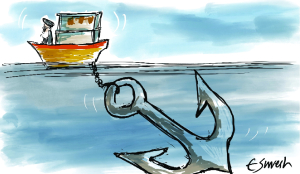
Goa: India’s compass for coastal tourism
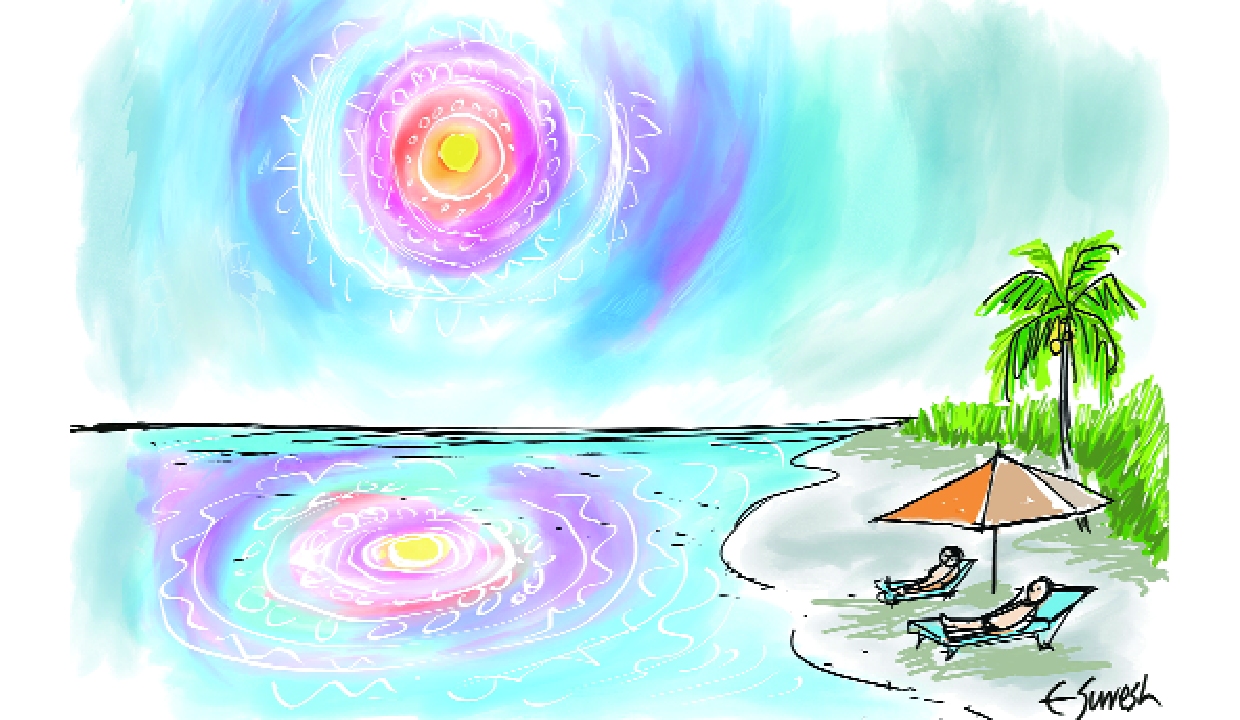
The challenge is no longer simply to draw tourists to India’s shores, but to ensure that tourism does not destroy the very coastline that attracts them. If India’s coastal tourism is to grow sustainably, Goa’s experience with carrying capacity, conservation, and ensuring that local communities share the gains offers valuable lessons for the rest of the country
India has one of the world’s longest coastlines, and until recently, one of its least precisely measured. When the coast was remapped in 2024, it grew from 7,516 km to over 11,000 km - not because any land was added, but because finer, modern mapping captured the bays, inlets and offshore islands that older, smaller-scale charts had smoothed over. It was a quiet reminder of how much of our coast we are only beginning to see clearly, even as it carries a growing share of the nation’s tourism economy.
Nowhere is that economy more visible than in Goa. Last year, the state welcomed close to 1.08 crore visitors - several times its resident population - along a beach coastline of barely 105 km. Tourism accounts for more than a sixth of Goa’s economy and a third of its jobs. More than the numbers, though, what sets Goa apart is experience: few places in India have managed tourism at this intensity for as long or learnt as much in the process.
That experience is worth drawing on, because India is not short of policy for its coast. The Coastal Regulation Zone rules protect fragile stretches; Swadesh Darshan 2.0 funds coastal circuits; the Blue Flag programme certifies clean beaches; Travel for LiFE promotes responsible travel; and Goa has both its own tourism policy and, more recently, a regenerative tourism vision built around people, environment and economy. The pieces exist. What they have lacked is a way of working together as a single, coherent approach to coastal tourism - and this is precisely where a state like Goa, already doing much of this at once, can show what joining them up looks like.
Bringing them together starts with a fuller idea of what a coast can bear. Carrying capacity is too often reduced to a single question - how many visitors a beach can hold - when it is really about water and sanitation, waste and traffic, the health of dunes and mangroves, and, not least, the daily lives of the people who live there. A beach that overwhelms its town’s water supply or its roads is not a success, however many visitors it draws. Goa has begun to take this seriously, commissioning a fresh scientific study of how many visitors its coast can sustainably support, while moving to expand sewerage and waste networks and strengthen the mangroves that shield the shore.
It also means treating different stretches of coast differently.
Nesting grounds, dunes and mangroves call for careful protection, while others are well suited to livelier activity - the logic already embedded in India’s coastal zone plans, and demonstrated at scale by Australia’s stewardship of the Great Barrier Reef, where clearly defined and periodically reviewed zones allow protection and tourism to reinforce one another. With rising seas and steady erosion already claiming hundreds of hectares of Indian coastland each year, that same foresight must extend to resilience: restoring mangroves, managing shorelines and building for the storms to come.
Above all, coastal tourism must keep local communities at its heart. A coastline is not only an ecological asset but a home and a livelihood - for shack owners, fishers, taxi operators, guides and family-run guesthouses. Goa’s regulated beach-shack policy, which reserves space for local operators, and its women-led homestay scheme, which spreads tourism’s gains into the hinterland, both show how growth can be shared rather than concentrated.
Tourism is only truly sustainable when the Goans who give the coast its character continue to prosper from it and can live comfortably alongside it.
Much of this comes down to planning for a simple reality: the effective population of a tourist town can multiply many times over at the height of the season. Infrastructure that serves residents well through the year must also be able to absorb those surges - as Goa’s lifeguard service has shown, using technology to cut drowning incidents sharply while keeping its beaches open and safe. And where the coast generates the revenue, a fair share of that value should flow back into maintaining and protecting it, guided by the kind of recognised standards - India’s own Blue Flag and clean-beach certifications among them - that turn good intentions into measurable practice.
The stakes reach well beyond any one state. India’s tourism economy is expected to approach USD 527 billion by 2036, and much of that growth will come from the coast. Whether it lasts will depend less on how many visitors our shores can attract than on how well they are cared for - on treating the coastline not as an inexhaustible backdrop, but as a national asset to be measured, planned and protected. Goa has already learnt much of what that takes. Given the chance, it can help show the rest of India’s coast how to grow without wearing itself out.
Last year the state welcomed close to 1.08 crore visitors - several times its resident population - along a beach coastline of barely 105 km. Tourism accounts for more than a sixth of Goa’s economy and a third of its jobs
The writers are Member of Parliament (Rajya Sabha) from Goa and Anuj Pattanayak, a public policy professional at Chase Advisors; Views presented are personal.