Forest dept denies Cheetah death reports under RTI, cites risk to foreign relations
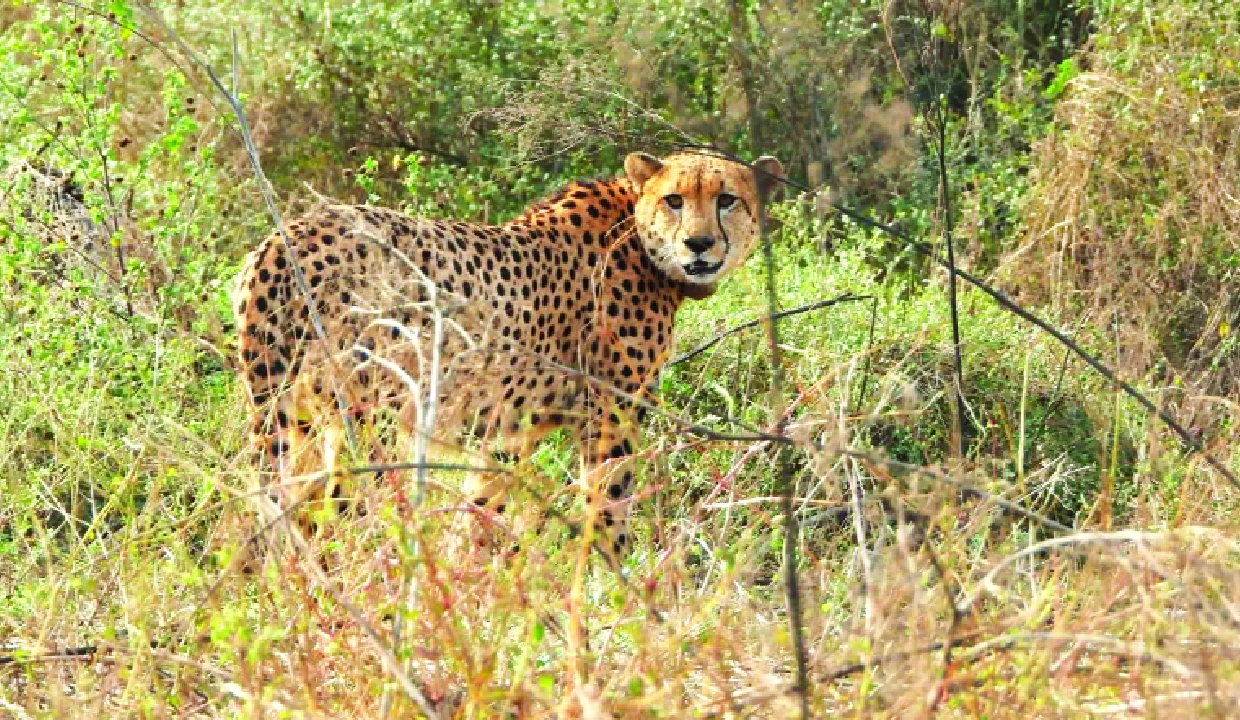
The Forest Department has refused to provide post-mortem reports of cheetahs that died at Kuno National Park, citing concerns that disclosure could adversely affect India’s relations with foreign countries.
In response to an application filed under the Right to Information (RTI) Act, the department said Project Cheetah is a national project of the Government of India, implemented through international cooperation. The department said it has signed Memorandums of Understanding (MoUs) with foreign countries for the project, and disclosing the requested information could affect India’s relations with them. The department invoked Section 8(1)(a) of the RTI Act, 2005, to claim exemption from sharing the records.
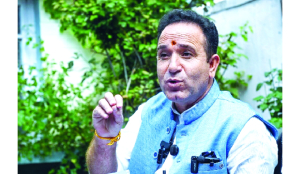
The Kuno Divisional Forest Officer’s office issued the reply on October 9, 2026. Activist Ajay Dubey, who filed the application, questioned the department’s reasoning, asking how making post-mortem reports of dead cheetahs public could adversely affect India’s foreign relations.
Dubey had submitted the RTI application on January 28, 2026, seeking information on four aspects of Project Cheetah. A key demand was for post-mortem reports and related records of cheetahs that had died in Madhya Pradesh from January 1, 2024, until the date of disclosure.
The matter had also gone through the first appeal process. Following an appellate order dated September 17, 2026, the office of the Additional Principal Chief Conservator of Forests (Wildlife) and Chief Wildlife Warden, Madhya Pradesh, Bhopal, sent a letter to the Kuno Divisional Forest Officer on September 18, directing necessary action. However, the department subsequently refused to provide the reports in its October 9 response.
Dubey also sought information on the conservation and management of cheetahs at Kuno National Park, Gandhi Sagar Wildlife Sanctuary, and Rani Durgavati Nauradehi Tiger Reserve. His application included records relating to foreign visits and correspondence with various government institutions.
Questioning the decision, Dubey said concerns over sensitive information about living cheetahs might be understandable. Still, he found it hard to see how post-mortem reports on dead animals could harm international relations.
The dispute centres on the department’s reliance on the RTI Act’s foreign-relations exemption. The response does not explain how disclosing the specific reports would affect India’s relations with other countries, while the activist has challenged the justification for withholding them.
The issue raises questions about transparency in Project Cheetah and the grounds on which the government can withhold information about animal deaths under the conservation programme from the public.