Flash flood in Nepal leaves hundreds dead, missing
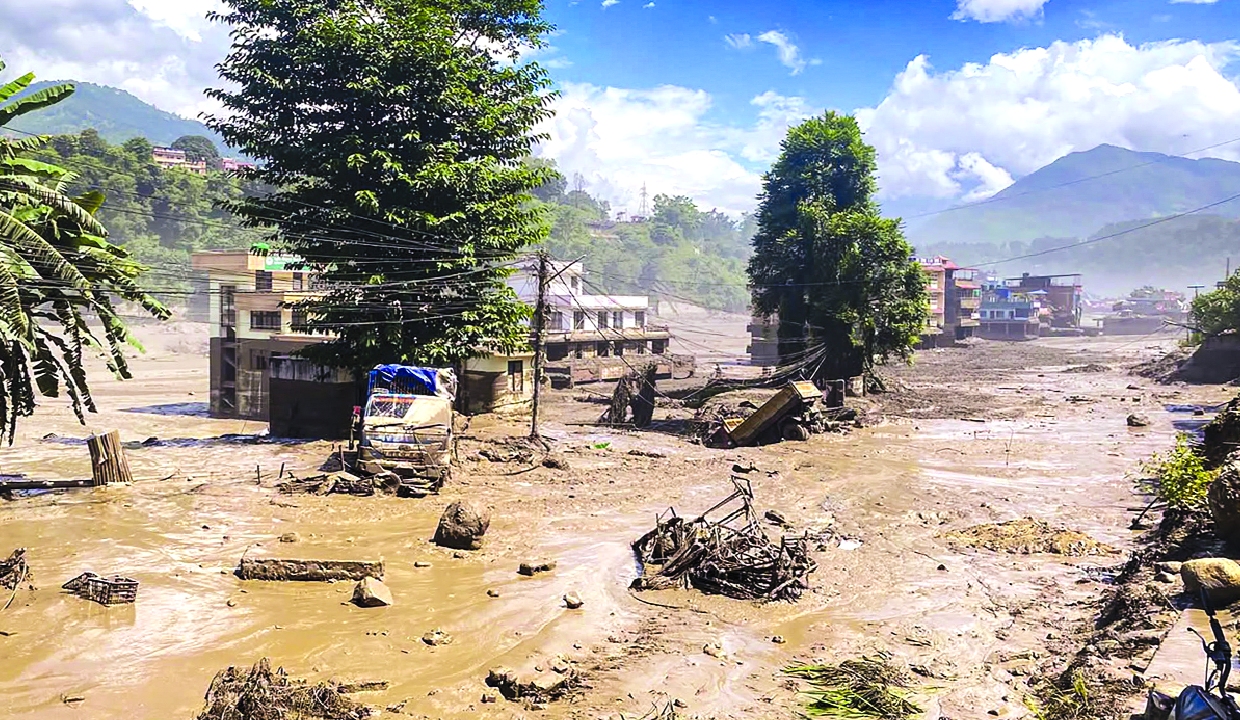
Indian authorities joined Nepal’s search for missing citizens as the preliminary list of unaccounted travellers stretched into the hundreds
At least hundreds of people have been killed and 384 travellers remain unaccounted for after a sudden flash flood devastated Nepal’s Himalayan border region on Wednesday, destroying homes, roads and bridges and leaving rescue teams struggling to reach isolated communities.
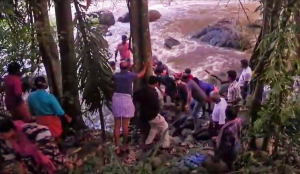
The disaster struck along the Bhote Koshi River in Rasuwa district, close to Nepal’s northern border with Tibet. A powerful surge of water, mud and debris swept through settlements, carrying away vehicles and damaging key infrastructure, including hydropower facilities.
The Nepal Tourism Board has compiled a preliminary list of thousands of travellers whose whereabouts have not yet been confirmed. The list includes 291 foreign nationals and 93 Nepali citizens.
Among those being sought are 105 Indian nationals and 37 non-resident Indians. Travellers from countries including the United Kingdom, the United States, Malaysia, South Africa, Australia and the Netherlands are also reported to be unaccounted for.
Authorities have cautioned that the figures are preliminary. Being listed as missing does not necessarily mean a person has died or was directly caught in the flood. Officials and travel agencies are continuing to verify the whereabouts of those who were travelling through or staying in the affected region.
Indian Pilgrims Among Those Missing. The large number of Indian nationals on the preliminary missing list has prompted an urgent response from New Delhi.
Many of the affected travellers were reportedly heading towards Tibet for the Kailash Manasarovar pilgrimage, one of the most significant religious journeys in the Himalayan region. Indian authorities are working with their Nepalese counterparts to trace missing citizens and provide assistance to those affected. Families across India are anxiously awaiting confirmation about relatives who were travelling in the border region.
The search has been complicated by damaged roads, disrupted communications and the difficult Himalayan terrain.
The full extent of the destruction in Rasuwa is still emerging. The areas around Timure and Syapru Besi have suffered particularly heavy damage, with homes, vehicles and sections of road infrastructure swept away or buried beneath mud and debris.
Bridges connecting communities have also been damaged, cutting off settlements and making it difficult for ground teams to move into the worst-hit areas.
Several hydropower installations have been affected, adding to concerns over electricity supplies and essential infrastructure.
Rescue helicopters have been deployed, but operations have been restricted by the rugged terrain, debris and unsafe conditions in some locations.
Authorities have urged people living close to the Bhote Koshi, Trishuli and other rivers to remain vigilant and move to safer ground where necessary.
The precise cause of the sudden flood remains under investigation. A magnitude 4.4 earthquake was recorded near the Nepal-Tibet border on Wednesday morning. Preliminary assessments have raised the possibility that ground movement triggered an ice-and-rock avalanche or landslide, temporarily obstructing a river before a sudden release of water sent a destructive surge downstream.
Officials and experts are continuing to examine the sequence of events. The cause has not yet been conclusively established, and authorities remain concerned about additional landslides, flooding and other hazards in the unstable mountain environment.
For hundreds of families, the disaster has become an agonising wait for information.
In many affected areas, disrupted communications and destroyed transport links have made it difficult for authorities to determine who has reached safety and who remains stranded.
Rescue workers are therefore facing a race against time as they search damaged settlements and attempt to reopen routes into the mountains.
The death toll and missing-person figures could change as teams gain access to areas that remain cut off.
For Nepal, the immediate priority is clear: find those who are missing, evacuate survivors, restore vital links and prevent further loss of life in a region where the threat of flooding and landslides remains high.