Five years on: Remembering Dr Chandan Mitra, the editor who gave The Pioneer its voice
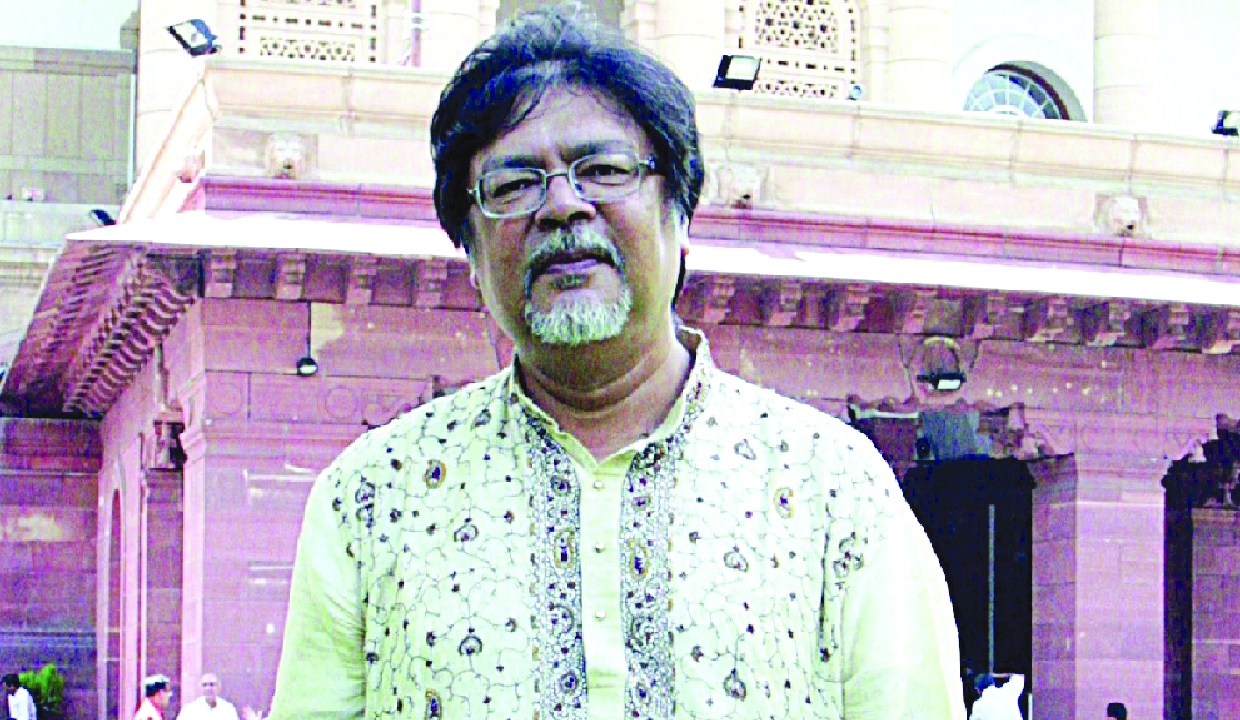
On September 1, this The Pioneer marks five years since it lost the man who, more than anyone else, defined what this newspaper stands for today. Dr Chandan Mitra did not simply edit this newspaper — for close to a quarter century, first as Editor and, from 1998, as its Editor and Managing Director as well, he rescued it, rebuilt it and gave it a voice that was unmistakably its own in a crowded and often timid national press.
Chandan Mitra's journey to Delhi's editorial chairs began, fittingly, in a classroom. Educated at La Martiniere in Kolkata, he arrived at St Stephen's College as a bright, left-leaning economics student and shared his time in the residence with friends including Swapan Dasgupta and Shashi Tharoor. His ability to make friends across political ideologies was noticeable in college and was evident throughout his life.
Even though the college was not part of the Delhi University Students Union, he played a role in the student protests against Indira Gandhi's imposition of the Emergency. This was where he crossed paths with the late Arun Jaitley, eventually forming a long friendship with the doyen of the Indian legal fraternity.
That instinct for organisation and argument carried him to Magdalen College, Oxford, where he completed a DPhil in history in 1984 under the noted historian Tapan Raychaudhuri, examining nationalist mobilisation in colonial Bihar and eastern Uttar Pradesh. It was an unusually scholarly foundation for a career that would be built on deadlines rather than footnotes, and it showed — colleagues often remarked that his editorials carried the depth of a historian even when written in the heat of breaking news.
He cut his teeth as an Assistant Editor at The Statesman in Kolkata, moved to The Times of India, and rose to Executive Editor at the Hindustan Times before joining The Pioneer in 1993. When its owners, the Thapar family, considered shutting the paper down, Mitra bought it out in 1998 rather than watch it disappear. This decision turned a newspaper on the brink into a national title known for combative editorials and investigative reporting. He led it for close to 24 years, even though the last few years of his life were consumed by an ultimately useless corporate battle. One which took a toll on his body and soul.
Journalism, for Mitra, was never separate from public life. Nominated to the Rajya Sabha by the BJP in 2003 and elected again from Madhya Pradesh in 2010, he served two terms, becoming, in the words of colleagues, the party's intellectual face in Parliament, engaging in debates on media freedom, education, and cultural heritage with the same rigour he brought to his columns.
What set Chandan Mitra apart, ultimately, was his refusal to choose between the newsroom and the debating chamber.
He moved fluidly between the two, using each to sharpen the other, and in doing so built a template for the journalist-parliamentarian that few in Indian public life have matched since. By every account of those who worked alongside him, he was also a generous mentor as an editor who gave young reporters room to find their voice, much as he had found his.
Five years after his passing, the newsroom he shaped, and the standards he insisted on, remain his most enduring editorial.