Fears of global energy crisis rise as Iran escalates
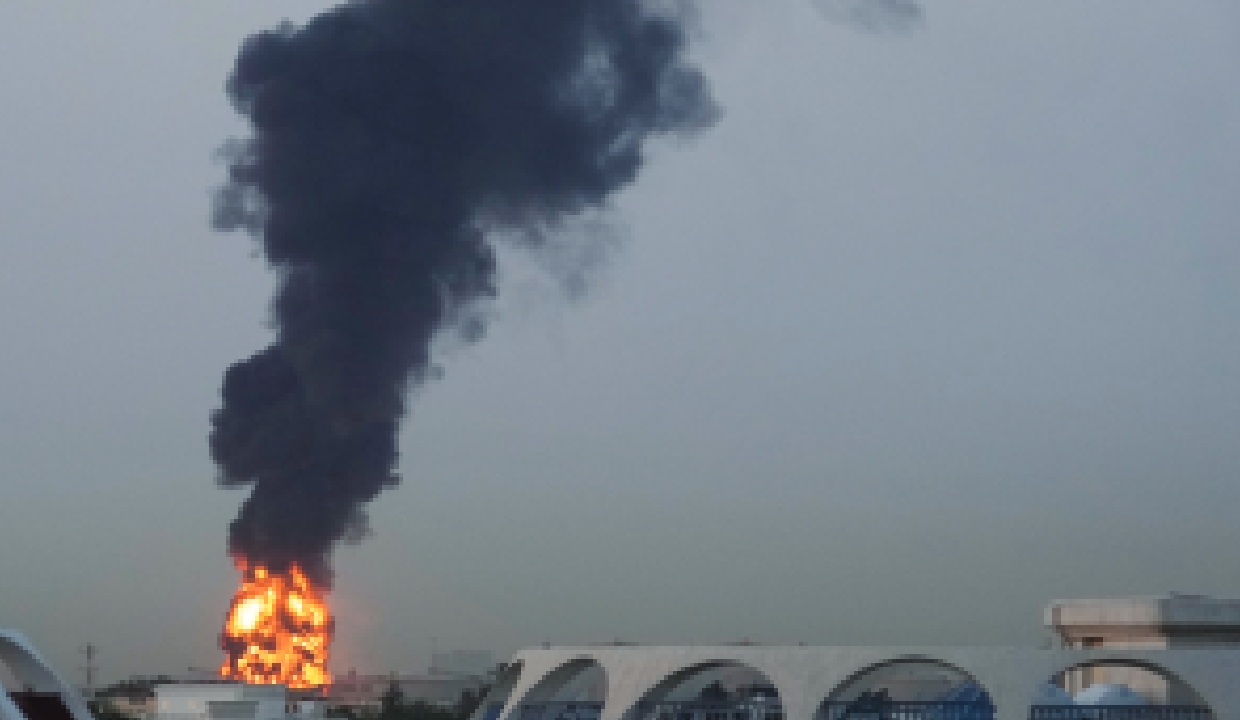
Fears of a global energy crisis rose on Monday as the war in the Middle East raged on, with more US-Israeli strikes on the Iranian capital and Israel’s bombardment of Lebanon. An Iranian drone strike temporarily shut Dubai’s airport, a crucial global travel hub, underscoring the threats to the world economy.
Since the United States and Israel attacked Iran more than two weeks ago, Tehran has regularly fired on Israel, American bases in the region, and Gulf Arab countries’ energy infrastructure with drones and missiles. Iranian strikes on commercial ships in and around the Strait of Hormuz and even just the threat of those attacks have also effectively stopped shipping traffic in the vital waterway, through which a fifth of the world’s oil is transported. That has dramatically increased the price of oil and put pressure on Washington to do something to ease the pain for consumers.
Brent crude, the international standard, remained stubbornly over $100 a barrel on Monday. It was at $104 in early trading, up nearly 45 per cent since the US and Israel attacked Iran on February 28. It has spiked as high as about $120 during the conflict.
US President Donald Trump said he has demanded that about seven countries send warships to keep the Strait of Hormuz open, but his appeals have brought no commitments.
Iranian Foreign Minister Abbas Araghchi called claims that his country may be seeking a negotiated end to the war “delusional,” saying in a social media post early on Monday that Iran was seeking neither “truce nor talks.” Iran hits Dubai airport, forcing temporary closure.
As morning broke on Monday, a drone hit a fuel tank near Dubai International Airport, the world’s busiest for international passenger traffic, causing a large fire.