Eight states, thousands of crores: the quiet spread of free bus travel for women
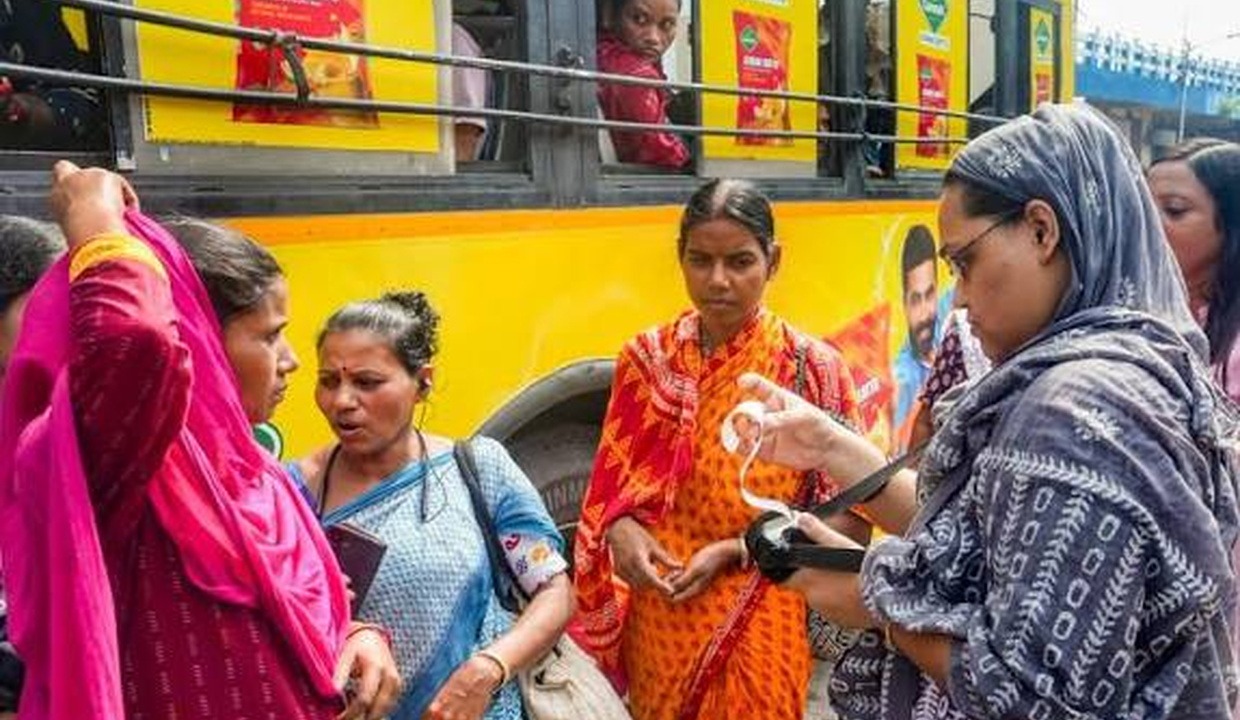
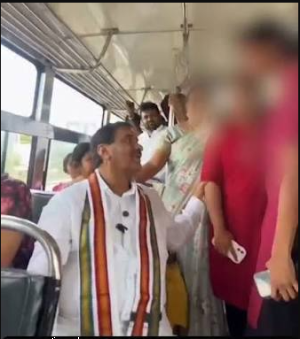
Tamil Nadu has become one of at least eight states with a year-round free bus travel scheme for women. The state will extend free bus travel for women and transgender persons to deluxe, express and limited-stop services in Chennai and other cities from October 2, Chief Minister C Joseph Vijay announced on Monday.
Several Indian states have initiated free travel schemes targeting women in recent years. Punjab, Karnataka, Tamil Nadu, Telangana, West Bengal and Andhra Pradesh along with Delhi to name a few. The move by states have both political, economic and like in the case of Kerala, judicial implications.
In Tamil Nadu, the initiative is an expansion of the bus fleet that adds 4,641 buses to the Vettri Payanam scheme, earlier known as Vidiyal Payanam, and is expected to benefit an additional 25 lakh women. Around 75 lakh women and transgender persons currently travel free on ordinary buses every day, and officials expect the number to cross one crore after the expansion. The annual allocation for the scheme is expected to rise from about Rs 4,400 crore to Rs 6,000 crore.
Months before, in June, the Kerala High Court dismissed a petition against Kerala's Priyadarshini scheme. The state government at the time told the court that similar schemes were already running in Delhi, Punjab, Karnataka, Tamil Nadu, Telangana and West Bengal. Andhra Pradesh runs one too, and more states offer free rides around festivals such as Raksha Bandhan.
The spread
Delhi has offered free rides to women on DTC and cluster buses through pink tickets. The Rekha Gupta government moved the scheme to the Pink Saheli smart card, launched by President Droupadi Murmu in March, and made the card mandatory from August 1.
The paper ticket was extended twice, and now runs till August 31, while the government distributes the cards. Around 17 lakh cards have been issued. The card works across DTC buses, the Delhi Metro and the Regional Rapid Transit System.
Karnataka's Shakti scheme, launched on June 11, 2023, gives free travel to all women domiciled in the state. The state had spent Rs 7,507.35 crore on 311.07 crore free rides as of October 2024. Chief Minister Siddaramaiah has said there is no proposal to revisit the scheme.
Telangana's Maha Lakshmi scheme, part of the Congress government's six guarantees, started on December 9, 2023. Girls and women of all ages and transgender persons domiciled in the state travel free on TSRTC buses.
Kerala's UDF government launched Priyadarshini on June 15, one of the five Indira Guarantees promised in the Assembly election campaign. Women and transgender persons travel free on ordinary KSRTC services without registration or income criteria. On the second day, 11.84 lakh of the 18.56 lakh ordinary-bus passengers were women.
The scheme has drawn legal and financial challenges. The Kerala High Court dismissed a petition against it in June, and this month dismissed another petition that raised safety and overcrowding concerns. Private bus operators have reported revenue losses. The petitioner in the first case put the cost at about Rs 2 crore a day, or nearly Rs 800 crore a year.
West Bengal notified free travel for women on all state-run buses from June 1. Women travel free on short-route and long-route state buses on producing photo identity documents, until smart cards are issued through block and sub-divisional offices.
Andhra Pradesh's Stree Shakti scheme completed a year on August 15. The state spent about Rs 3,095 crore in the first year, with an average 24 lakh women travelling free daily and 87 crore journeys recorded. The subsidy works out to Rs 8.53 crore a day. Women's share of passengers on APSRTC buses rose from 40 per cent to 62 per cent since the scheme began.
Festival-period free travel
Uttar Pradesh offers free bus travel to women and one companion on state roadways for three days around Raksha Bandhan, from August 27 to 29 this year. The facility has become an annual feature under the Yogi Adityanath government; more than 78 lakh passengers used it during the festival in 2025.
The state has also announced free bus travel for women aged 60 and above. Uttarakhand announced a similar Raksha Bandhan free-travel facility this year.
So why do the states do it?
Governments frame the schemes as welfare that expands women's access to work, education and healthcare. "The scheme will make public transport affordable and accessible to women across the state. It will enable students to travel to colleges located far from their homes, help women commute to workplaces and allow them to access medical care," Vijay said in the Assembly.
Kerala Chief Minister V D Satheesan said at the Priyadarshini launch that many poor women who commute daily for work, including housemaids, would benefit.
The schemes are also election commitments. Priyadarshini is among the Indira Guarantees, Shakti among Karnataka's five guarantee schemes, Maha Lakshmi among Telangana's six guarantees, and Tamil Nadu's scheme was introduced by the DMK government in May 2021, months after it returned to power. The TVK government renamed it Vettri Payanam this year, drawing criticism from the DMK.
The costs and the questions
The bills are substantial. Tamil Nadu's allocation rises to about Rs 6,000 crore. Andhra Pradesh spent Rs 3,095 crore in a year. Karnataka had spent Rs 7,507.35 crore as of October 2024.
The Kerala experience shows the friction a free scheme can create. Private operators, who compete with zero-priced KSRTC services, reported revenue losses and went on strike. Evidence on impact is mixed. A study by Nikore Associates, based on more than 2,500 surveys across 10 cities, found full-fare subsidies worked better than Maharashtra's half-ticket concession. Only 10 per cent of women in Mumbai, Pune and Nagpur said they could travel longer distances after the Mahila Samman Yojana, against 32 per cent in cities with free travel such as Delhi, Bengaluru and Hubballi-Dharwad. Around 26 per cent of women across the surveyed cities said they felt safer in buses after the schemes began.
As fare-free travel spreads, Kerala offers a broader lesson, the economist wrote: welfare design matters as much as welfare intent.