Delhi Police to launch AI system for faster emergency routes
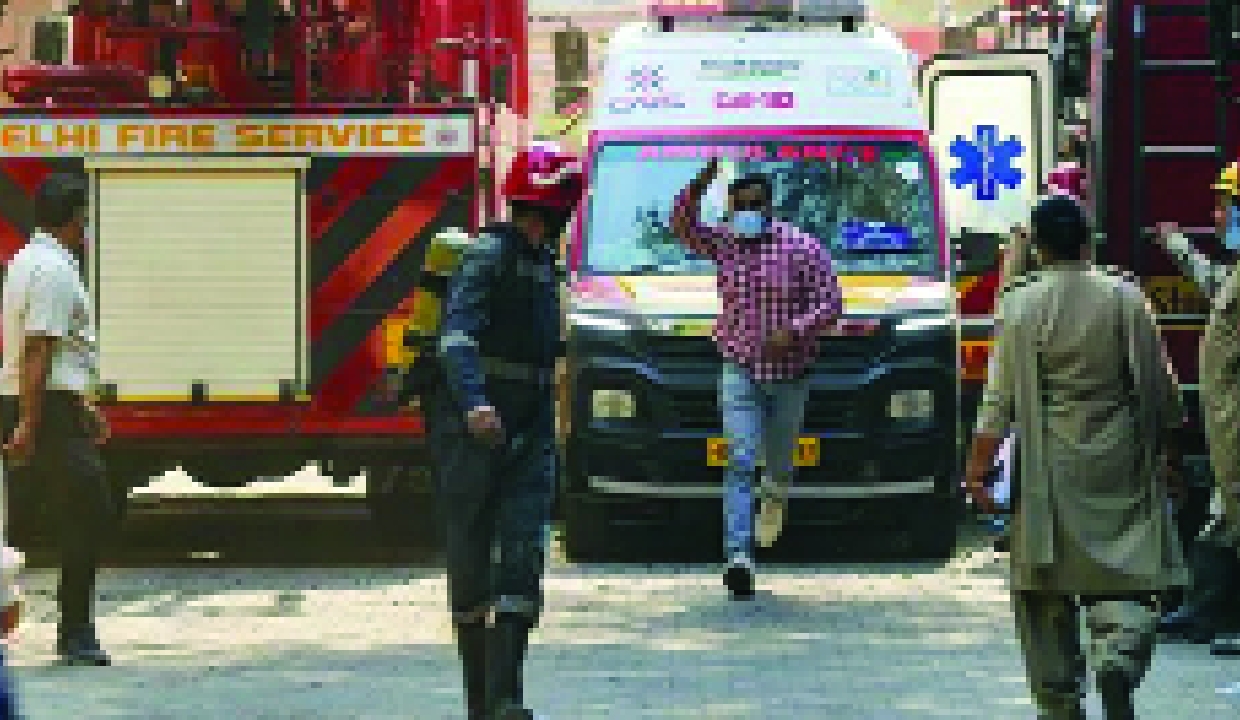
Striving for faster movement of ambulances and fire tenders through Delhi roads, the traffic police is implementing an AI-based traffic management and route-mapping system to ensure quicker movement of emergency vehicles during crises, officials said on Monday.
The initiative comes in the wake of several emergencies, especially a recent hotel fire in Malviya Nagar, in which 22 people were killed. Some locals had alleged that traffic congestion delayed the arrival of fire tenders at the spot.
“Traffic teams monitor live footage of thousands of CCTV cameras. Besides that, our AI-based traffic management system will give us a clear picture of high traffic zones. In any emergency, in the high traffic zones, our systems will alert fire tenders and ambulances to take the shortest and fastest routes,” a senior police officer said.
He further said that officials from the traffic police and fire departments have explored multiple measures to create traffic-free corridors for emergency vehicles and ensure they reach affected locations in the shortest possible time.
“The objective is to ensure that fire tenders and ambulances are able to move swiftly, even during peak traffic hours. Technology can immediately identify the fastest available route and help emergency vehicles avoid congestion,” the officer said.
He also said that in situations like where ambulance and fire tenders are stuck, additional traffic police will be deployed to clear the roads immediately so help can reach on time.
The officer said authorities are analysing traffic volumes across different parts of the city and studying congestion patterns during various times of the day to develop location-specific emergency response plans.
“Traffic conditions differ significantly across Delhi. By identifying peak congestion periods and vulnerable stretches, we can provide advance route recommendations and ensure that emergency responders always have access to the fastest possible corridor,” the officer said.
The mechanism may also include coordinated monitoring between police and fire department control rooms, dynamic route advisories and rapid deployment of traffic personnel whenever a major emergency is reported.
“Every minute saved during an emergency can make a critical difference in protecting lives and property,” the officer said.