Delhi Police bust Shahzad Bhatti-linked terror module
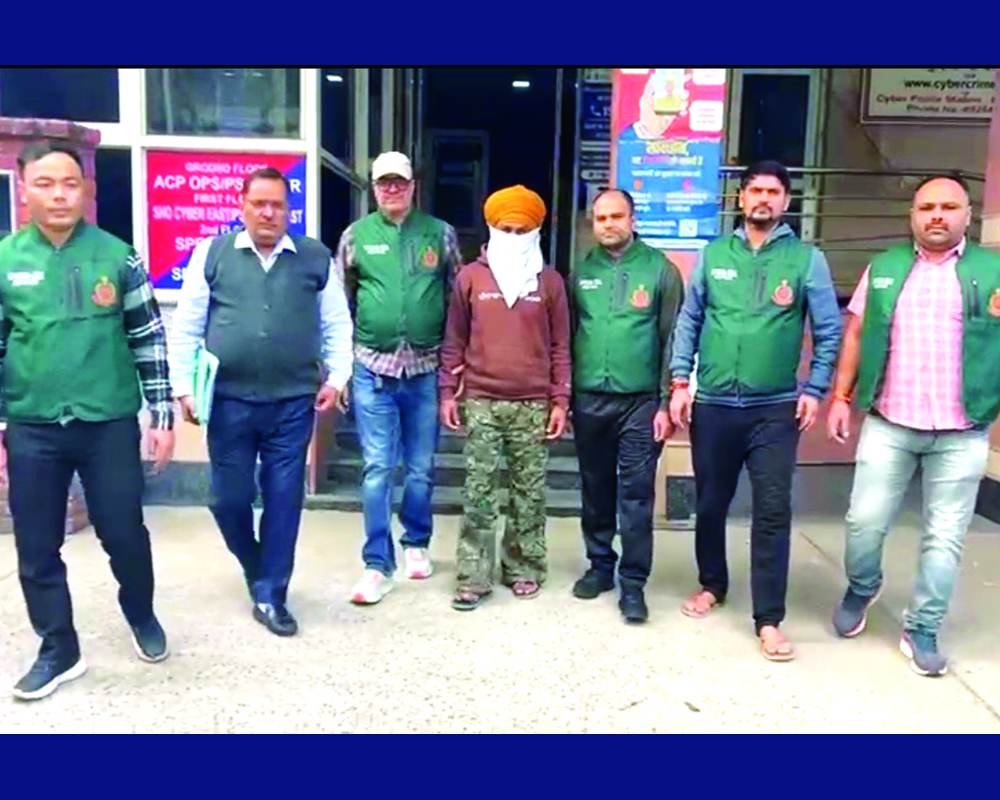
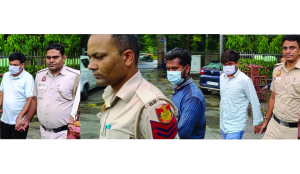
The Special Cell of Delhi Police has busted a Pakistan-backed terror module linked to gangster-turned-terrorist Shahzad Bhatti, who is now operating from across the border. Officers said the module carried out the November 25 grenade attack outside the city police station in Punjab’s Gurdaspur and was planning more strikes using young recruits from Indian states. Police arrested three persons and said that all three were influenced by Bhatti’s online image, which mixes gangster heroism with propaganda meant to attract young followers.
Police identified the arrested men as Vikas Prajapati, 19, from Datia in Madhya Pradesh; Hargunpreet Singh, 19, from Firozpur in Punjab; and Asif, 22, from Bijnor in Uttar Pradesh. “This module was acting on Bhatti’s directions from Pakistan. He used encrypted apps and social media to run operations and guide these young men,” Additional Commissioner of Police (Special Cell) Pramod Singh Kushwah said. He added that the police arrested three key operatives and recovered a semi-automatic pistol, 10 live cartridges, and mobile phones loaded with chats and reconnaissance videos.
The breakthrough came after the Special Cell started tracking Bhatti’s communication trails. His messages often came from shifting online accounts. Officers noticed frequent contact between Bhatti and Prajapati, who was already wanted in an arms smuggling case. Prajapati’s movements kept changing between Delhi and Gurdaspur. Bhatti told him to keep switching off his phone to avoid surveillance.
Police launched a manhunt and arrested Prajapati in Madhya Pradesh after two days. His questioning opened up the structure of the module. Officers said Bhatti and his associates in Pakistan targeted young men on social media, scanning their posts and behaviour before sending them secret messages. They offered money and glorified the idea of working for a “gangster network”. Once a recruit showed interest, they sent detailed instructions, arranged digital payments, and gave them small tasks to test them.
Police said Prajapati admitted he had reached out to Bhatti after seeing his videos and messages online. Bhatti then used him to receive a parcel in Gurdaspur. The parcel contained a grenade. Prajapati also conducted a recce of the city police station in Gurdaspur and the Town Hall police station in Amritsar. He later handed over the grenade to Hargunpreet.
During questioning, Hargunpreet, a Class 12 pass youth from Firozpur, confessed that he carried out the grenade attack on November 25. He said he was riding pillion on a motorcycle driven by an associate. He threw the grenade outside the city police station and fled. Police believe Bhatti supervised the entire strike from Pakistan and asked the men to destroy phones and avoid contact for a few days.
The third accused, Asif, was also recruited through social media. Officers said Bhatti trained him remotely for another grenade attack in Punjab. Bhatti shared maps, photographs, and possible target locations with him. The plan was in its early stage and was stopped after the Special Cell made the arrests. Police said the case shows a new pattern in terror recruitment. The modules no longer depend on cross-border movement. Instead, they build small cells using young social media users who get trapped by money, thrill, and online glamour. The operatives are kept away from the main handlers and are used for high-risk tasks. They receive instructions through encrypted chats. Many do not even know the identity of the person guiding them.
Officers said the seized phones had videos of police stations, target routes, and local details of Punjab towns. Chats showed instructions on how to hide weapons, select escape routes, and handle payments. Police are scanning the devices and are trying to track other contacts.
Search teams are now working across Punjab, Delhi, Uttar Pradesh, and Madhya Pradesh to locate more members of the module. Officers said more arrests are likely. They stressed that Bhatti remains active in Pakistan and continues to use social media to reach Indian youth. Police have alerted agencies in multiple states.