Delhi HC to hear CBI plea against discharge of Kejriwal, Sisodia in liquor policy case
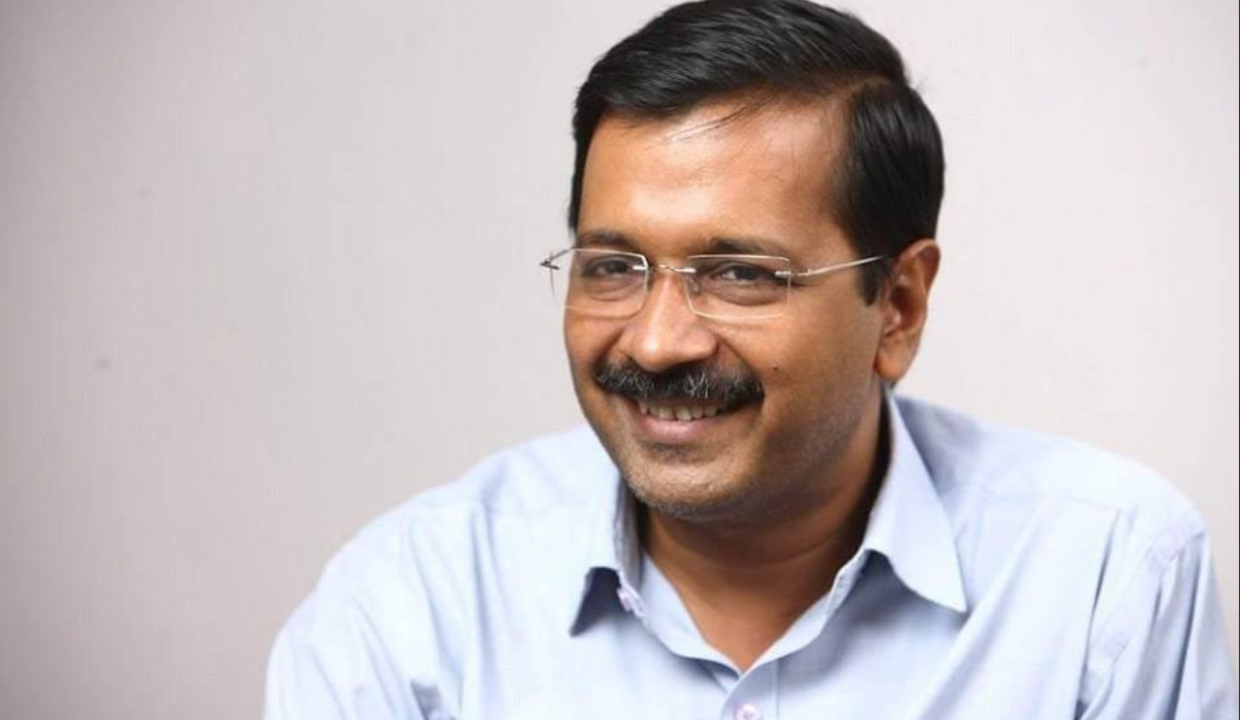
The Delhi High Court will on Monday hear the CBI's petition challenging a trial court order discharging AAP leaders Arvind Kejriwal, Manish Sisodia and 21 others in the liquor policy case.
Justice Manoj Jain is also expected to take up applications by the former Delhi chief minister and his deputy seeking dismissal of the CBI's revision petition for being non-maintainable.
Kejriwal and Sisodia, who had earlier boycotted the proceedings in the case before Justice Swarana Kanta Sharma, have claimed that the plea was filed with "unprecedented haste" and in the "most unserious manner", and that they have been unable to even discern the agency's case against them in the "bare-shell" and "non-specific" petition.
"The CBI has preferred the present revision petition with unprecedented haste and in the most unserious manner. The present revision petition was filed only within four hours of passing of the order of discharge by the Ld. Special Judge, which manifestly shows non-appreciation of the findings of the Ld. Special Judge in the discharge judgement running into more than 500 pages," the application has stated.
On the last occasion, Justice Jain had granted a final opportunity to Kejriwal, Sisodia and Durgesh Pathak to respond to the CBI's plea within two weeks.
In the latest applications, Kejriwal and Sisodia have asserted that the trial court discharged all accused persons after hearing the matter in detail for more than three months, but the CBI has not pointed out any specific finding that is "perverse" or shows any irregularity.
On February 27, the trial court discharged former Delhi chief minister Kejriwal, Sisodia and 21 others in the liquor policy case, ruling that it was wholly unable to survive judicial scrutiny and stood discredited in its entirety.
In its revision petition, the CBI has said that the discharge order was patently illegal, perverse and suffered from errors apparent on the face.
The petition has contended that the trial court conducted a mini-trial at the stage of framing of charges and passed the discharge order on a "selective reading of the prosecution case".
Not only did the trial court fail to appreciate the facts of the case but it also passed unwarranted adverse remarks against the investigating agency and the investigating officer, the plea has claimed.