Delhi govt to launch campaign to make city child-beggar-free: CM Gupta
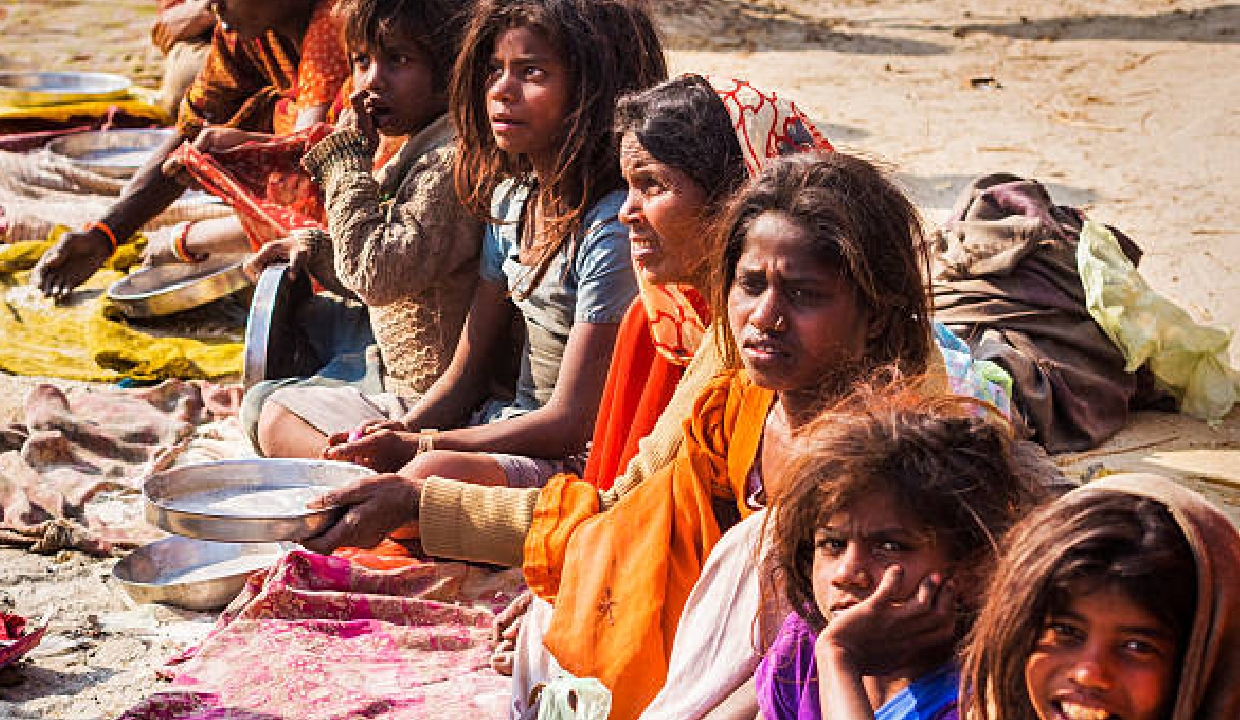
The Delhi government will soon launch a "Child Beggar-Free Delhi" campaign to protect children found begging at public places and major road intersections in the city, Chief Minister Rekha Gupta has said.
In a video posted on X on Saturday, Gupta said the campaign will be conducted across 13 districts of the capital to provide a secure future to children forced into begging.
Children will not be moved by force, Gupta said. Instead, the government, along with the Delhi Commission for Protection of Child Rights (DCPCR) and non-governmental organisations, will counsel their families, address their difficulties and provide better alternatives, she said.
"The campaign will also identify and expose organised gangs forcing children into begging," Gupta said, asking people to share their comments and suggestions on the initiative.
DCPCR Chairman O.P. Vyas said that after considering feedback from the public, the campaign is expected to be launched around Independence Day.
Vyas said there were two aspects to the child beggar issue. "First, we will focus on parents and ensure their counselling so that children are weaned away from begging. The other is the involvement of organised gangs who force small, homeless and poor children into begging, which will require strict legal action," he said.
Besides NGOs, child welfare committees will also be actively engaged in the campaign, Vyas said, adding that under the Juvenile Justice Act, such committees have been empowered to take decisions regarding children in need of care and protection.
Children freed from begging require care and protection, for which they will be empowered through education and skill training, he said. The DCPCR will ensure that younger children freed from begging are provided formal education, while older ones are given skill training, Vyas added.
According to estimates by social organisations, there are around 70,000 street children in the capital, of which thousands are engaged in begging at public places, including near religious sites, bus and metro stations, marketplaces and major road intersections.