Delhi Government adds six CAAQMS to monitor air quality
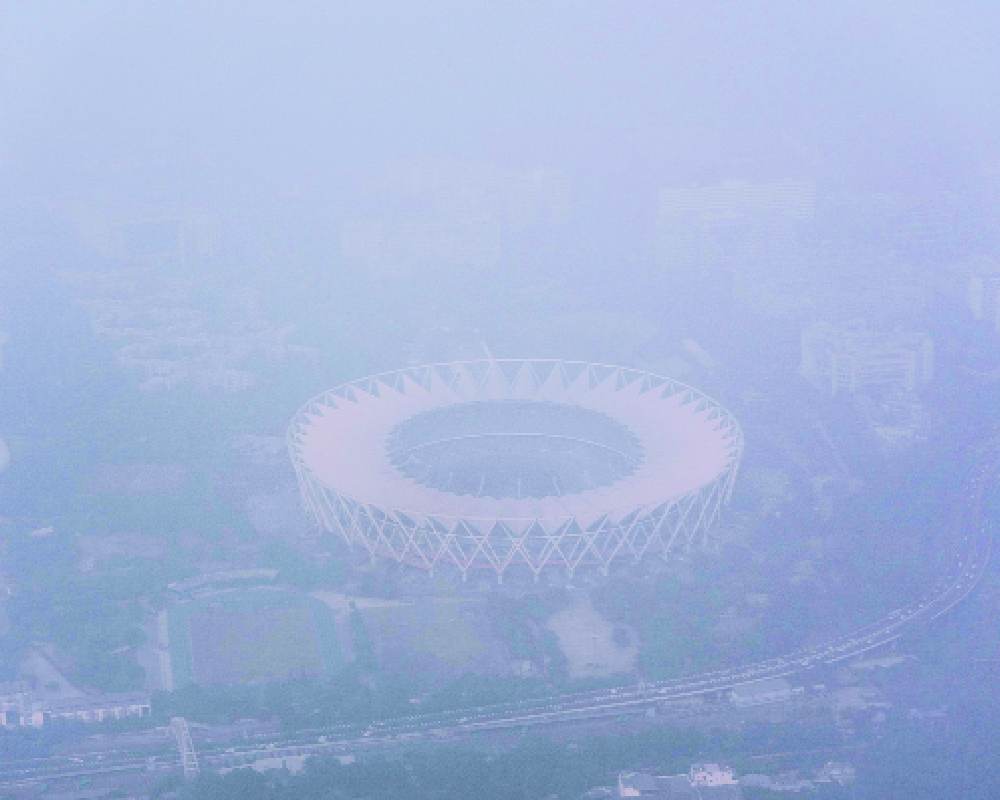
As the national Capital battles with high levels of pollution, the Delhi Government has initiated the installation of six new Continuous Ambient Air Quality Monitoring Stations (CAAQMS) to further strengthen the city’s scientific air quality monitoring network.
These stations are being set up through the Delhi Pollution Control Committee (DPCC) as part of a composite project covering supply, installation, commissioning and long-term operation and maintenance, Environment Minister Manjinder Singh Sirsa said on Thursday.
He said the new stations will significantly enhance the Government’s ability to track pollution sources and trends in real time and respond with targeted measures. “By expanding our high-quality monitoring network, Delhi is building a stronger safety net around the national Capital and moving towards cleaner air through evidence-based decisions,” he stated.
The six new Continuous Ambient Air Quality Monitoring Stations are being set up at Jawaharlal Nehru University (JNU), Indira Gandhi National Open University (IGNOU), the ISRO Earth Station near Malcha Mahal, Delhi Cantonment, the Commonwealth Sports Complex, and Netaji Subhash University of Technology (West Campus), covering key institutional and residential zones across South, Central and South West Delhi to create a more representative ecosystem picture of city-wide air quality.
The Minister informed that each CAAQMS station will house a complete set of advanced analysers for continuous automatic monitoring of major pollutants — particulate matter (PM2.5 and PM10), sulphur dioxide (SO2), oxides of nitrogen (NO, NO2, NO), ammonia (NH3), carbon monoxide (CO), ozone (O3) and BTEX (benzene, toluene, ethylbenzene and xylene).
The stations will also be equipped with a full meteorological system measuring wind speed, wind direction, temperature, humidity, rainfall and solar radiation to help understand how pollution travels and disperses in different parts of the city.
The analysers and sensors will operate around the clock. Data will be recorded in short time intervals, validated as per international and national protocols, and used to generate daily, weekly and monthly reports including averages, peaks and other key indicators relevant for policy and public information.
Each station will also be equipped with a day–night visible electronic display board near the site, along with provision for central display, to show real-time air quality information to citizens in an easily understandable format.
The selected partner will not only install and commission the six stations but will also operate and maintain them for a period of 10 years, ensuring high uptime and reliable data capture of at least 90 per cent of valid data.
This includes 24x7 station operation, routine and preventive maintenance, periodic calibration as per recognised protocols, security and continuous technical support, with stringent penalties for prolonged downtime or non-performance.
Data collection and validation will follow established standards, including the National Ambient Air Quality Standards framework and recognised reference methods for continuous monitoring.