Delhi embraces urban farming for a greener future
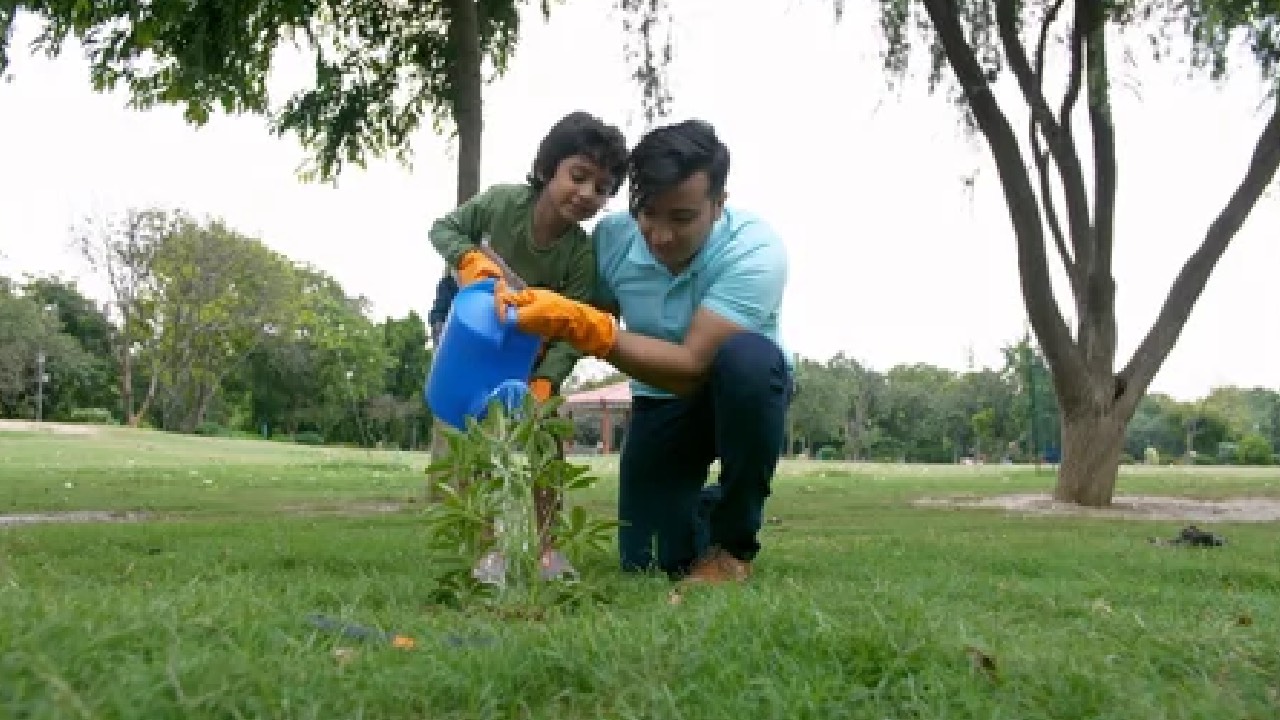
The hallmark of a truly world-class megapolis is its green lungs, soothing to the eye and beneficial for health, in addition to infrastructure. And the national Capital aims to do so by encouraging urban farming, vegetable gardens and rooftop farming.
The objective is a greener and more sustainable Capital. For residents, the concept could mean growing vegetables, herbs and other plants closer to where they live rather than relying entirely on distant agricultural land.
Plans are also afoot to promote hydroponics, aquaponics and community gardens at the building and plot level, allowing residents and communities to turn up city like Delhi, where availability of land for conventional agriculture is limited.
Under the plan, vacant plots can be used for urban farming or gardening as an interim activity, while vertical farming inside buildings will be permitted subject to structural safety requirements. Local bodies and agencies may also provide guidelines and capacity-building support to resident welfare associations, schools and other community groups interested in taking up such activities, the plan outlines.
According to the master plan, from rooftops and terraces to vacant plots and community spaces, the plan envisages a range of forms of urban agriculture, including vegetable gardens, container gardening, herb gardens, vertical farming, hydroponics and aquaponics.
In cities such as Singapore, to name a few, urban farming, hydroponics and aquaponics are set to get a major boost in the national Capital.
The document links greater green cover with lower temperatures, reduced pollution, better biodiversity and stronger resilience to climate change.
It adds that expanded green-blue infrastructure can improve living environments and quality of life. The plan envisages these initiatives not merely as a way of growing vegetables but as part of efforts to increase greenery within Delhi’s built environment. It encourages green features such as roof gardens, terrace gardens and green walls in buildings and plots. Local bodies and the Delhi Government may also consider tax incentives for maintaining green roofs and vertical greenery in existing buildings and reconstructed plots.
The plan links greater green cover with several environmental benefits, including lower temperatures, reduced pollution, better biodiversity and greater resilience to climate change. It also says expanded green-blue infrastructure can improve living environments and quality of life.
Urban farming could also help make use of spaces that otherwise remain underutilised. The plan specifically proposes grass and shrub cover on vacant land as a measure to reduce dust and allows such plots to be used for urban farming and gardening in the interim.
The plan, however, leaves implementation largely to local bodies, agencies and communities, which will have to develop appropriate guidelines and ensure that activities such as rooftop and vertical farming meet structural and other safety requirements.
The push for urban farming comes as the master plan seeks to increase green spaces and green-blue features within Delhi’s built-up areas while addressing pollution, rising temperatures and the pressures of urbanisation.