Delhi Court allows NIA to question two foreigners inside Tihar jail
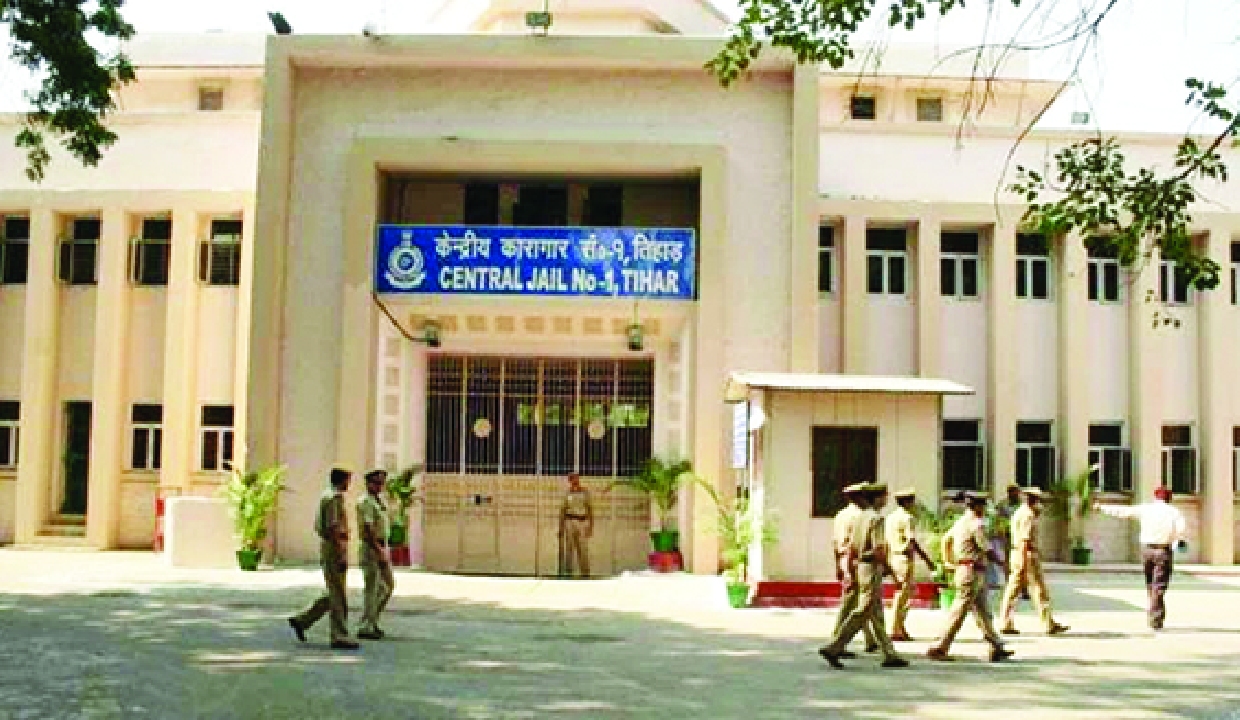
A special court in Delhi on Monday allowed the National Investigation Agency (NIA) to question American citizen Matthew Aaron Van Dyke and Ukrainian citizen Kaminskyi Viktor inside Tihar Jail on September 2 and 3. Judge Prashant Sharma approved the request after both men, who are already in judicial custody, were brought to court as part of a terror-conspiracy investigation.
The NIA claims the case involves foreign trainers working with ethnic armed groups along the India–Myanmar border. The two men are part of a group of seven foreign nationals arrested on March 13. Van Dyke was stopped at Kolkata’s Netaji Subhas Chandra Bose International Airport. The six Ukrainians, Hurba Petro, Slyviak Taras, Ivan Sukmanovskyi, Stefankiv Marian, Honcharuk Maksim, and Kaminskyi Viktor, were caught at airports in Delhi and Lucknow.
Investigators say the group entered India on tourist visas, flew to Guwahati, travelled into Mizoram without the required permits, and crossed the border near Sangau in Lawngtlai district.
The NIA has charged them under Section 18 of the Unlawful Activities (Prevention) Act, which deals with terrorist conspiracy, as well as under the Bharatiya Nyaya Sanhita. The agency claims they held planned training sessions for Myanmar-based ethnic armed groups in drone warfare, assembly, operations, and electronic jamming. It also alleges they moved large shipments of drones and related equipment from Europe through India. These groups, the FIR states, have historically supplied weapons and training to banned insurgent organisations active in India’s Northeast region.
The accused were moved to judicial custody in early April and have stayed in Tihar Jail since then. Van Dyke’s judicial custody is set to last until September 8. The agency has also requested voice samples from several of the accused and is still searching for local people who may have helped the group travel through Assam and Mizoram.
Van Dyke, born in Baltimore on June 11, 1979, is a political scientist. He graduated in political science from the University of Maryland and earned a master’s degree in security studies from Georgetown University. He became known internationally in 2011 after joining anti-Gaddafi rebels in Libya, where he was captured and spent almost six months in prison before being released when Tripoli fell. Later, he filmed and advised rebel groups in Syria, started the non-profit Sons of Liberty International, and since 2022 has worked with Ukrainian forces. His documentary ‘Point and Shoot’ won Best Documentary at the 2014 Tribeca Film Festival.
The NIA calls him the organiser of the Ukrainian group in the Orom corridor in 2025 and a possible intelligence tip-off from Russian services; those claims remain part of an unfinished probe. Detention has produced a parallel legal track. Van Dyke’s lawyers, Rohit Dandriyal and Rohit Gour, have sought private medical care and virtual family contact.
In July, the court approved a vegetarian diet, a cook, an electric kettle, and mosquito protection for Van Dyke after he said he had been on a hunger strike since May 6. He reported losing about 14 kilograms because he could not tolerate the jail’s spicy, oily food. At the same time, Van Dyke’s family has publicly asked the US Embassy to step in, saying he is being held in solitary confinement and that there are delays in getting approved supplies. “The family of Matthew VanDyke seeks urgent US diplomatic intervention as Matthew VanDyke is presently still denied basic detainee rights and is being kept in solitary confinement at Tihar Jail 8/9 in Delhi, India. It is time to bring Matthew VanDyke back home,” the family posted from his verified X handle, with the last edit on Monday.
The Ukrainian Embassy has requested consular access for its citizens. The court has considered the case sensitive from the beginning, sometimes holding hearings at NIA headquarters or behind closed doors. The investigation continues amid concerns that Mizoram’s open border is being used by foreign trainers entering Myanmar’s civil war, which New Delhi sees as a possible risk for Northeast India.