Dawood’s portrayal in Dhurandhar triggers unease in Mumbai underworld
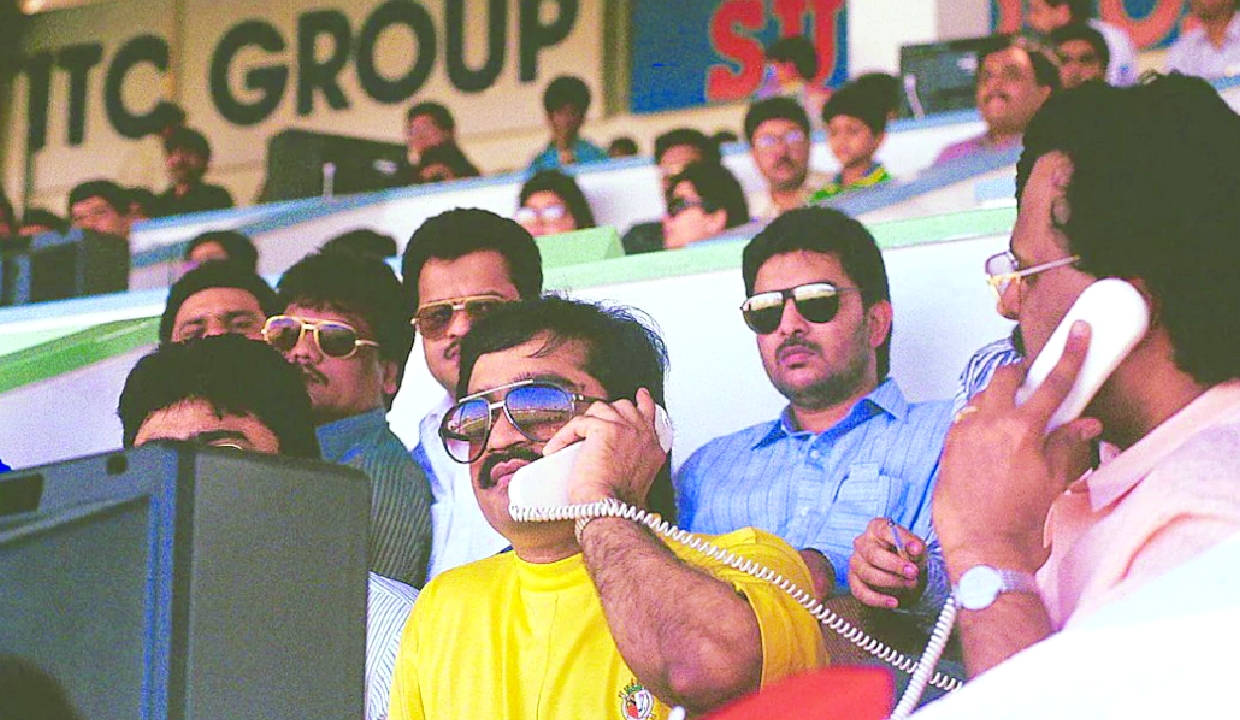
In a stunning display of underworld panic, the runaway hit Dhurandhar: The Revenge has ripped the mask off Dawood Ibrahim’s fading empire and forced his Karachi-based syndicate into a reckless, high-stakes counterstrike on Mumbai’s streets. Intelligence and police sources say D-Company, long cowering under Pakistani protection, has frantically reactivated its dormant network in the city, all because a single deathbed scene in a blockbuster dared to show their “invincible” don as the frail, broken old man he has become.
The provocation is unmistakable. In the film’s explosive sequel, actor Danish Iqbal, buried under 12 gruelling hours of prosthetics, plays Bade Saheb, a wheezing, monitor-riddled shadow of Dawood Ibrahim, barking orders from a Karachi sickbed as his once-mighty empire collapses around him.
A black-and-white photo of a younger, swaggering Dawood stares down mockingly from the wall. No glamour. No myth. Just a dying don propped up by ISI handlers. Sources confirm the portrayal has triggered pure rage inside D-Company over the depiction of the notorious Mafia don while he is still alive.
In response, D-Company has organised a chaotic terror plot using old tactics, but with new urgency. These recruits are not motivated by the film but by anger over the city’s recent demolition of an illegal mosque in Bandra’s Garib Nagar. The real purpose of the attack is being hidden from them. ISI is providing weapons and training, and notorious shooter Munna Zingada is prepared for action.
The operation follows a familiar playbook but now shows new desperation. Recruitment is outsourced to the Shakeel gang. Most recruits are disaffected young men from Dongri and Mumbra, radicalised not by the film but by the recent municipal bulldozing of an illegal mosque in Bandra’s Garib Nagar.
Authorities are on high alert after decimating a similar ISI-underworld cell in Delhi. According to sources, D-Company is desperate after the police cracked down on its traditional operations, including extortion, real estate, and gold smuggling. As their influence fades, the group believes a dramatic attack within India could help prove their relevance.
“The Dawood gang has been planning a major attack to target a powerful figure in India with the help of the ISI to revive its image,” sources said. In other words, the group fears the film has made them seem outdated and powerless.
The movie’s blunt narrative has shocked them; it openly attributes past bombings, terrorism, and criminal activity to Dawood, with no romanticising. For the first time, a Bollywood film exposes him in stark, unflattering detail: an ill, protected relic whose main tool is his old reputation for violence.
Mumbai Police and central agencies remain on high alert, considering this is a real risk, motivated by humiliation.
Though authorities have stopped such attacks before, the threat is serious. The impact of the film is clear: it has shaken D-Company more than any legal effort. Whether this plot ends in arrests or violence, Dhurandhar has dealt a blow to D-Company’s image, and the group is scrambling.